
Deciphering the WPS Agenda: A 95-Year Bibliometric Journey into Women, Peace, and Security
Women, peace and security state-of-art: a bibliometric analysis in social sciences based on SCOPUS database
This paper presents a comprehensive bibliometric analysis of the "Women, Peace and Security" (WPS) research field within Social Sciences, covering 95 years of scientific production (1918–2013). By analyzing 321 articles from the SCOPUS database, the study identifies core publication patterns, gender demographics of authorship, and confirms that the field follows established scientific growth models like Price’s, Lotka’s, and Bradford’s Laws.
Executive Summary
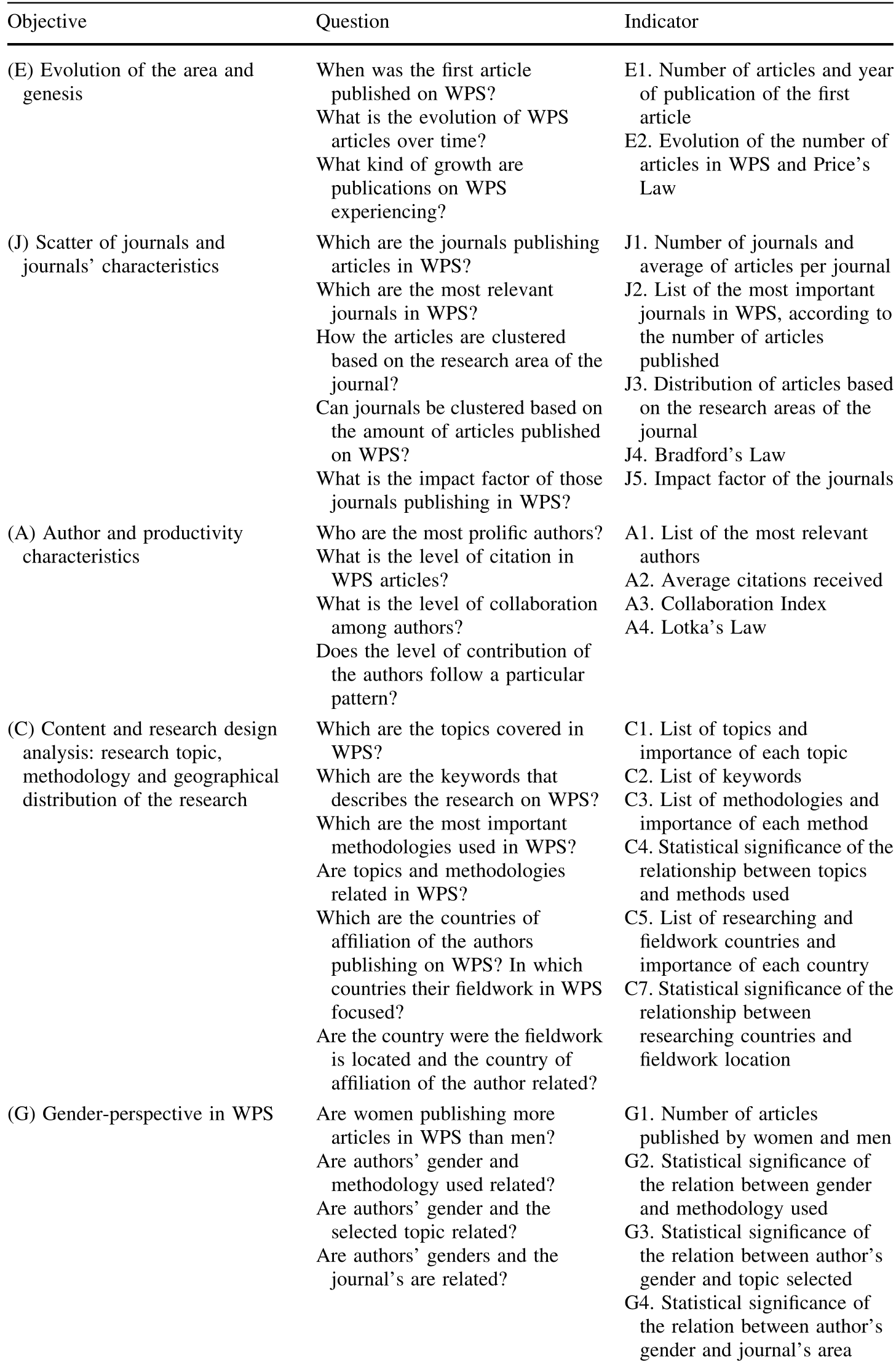
TL;DR: This study provides the first multi-decade quantitative autopsy of the Women, Peace and Security (WPS) research field. Spanning nearly a century (1918–2013), the analysis reveals a field that is exponentially growing yet structurally fragmented, significantly led by female scholars but isolated within Anglo-Saxon academic silos.
Academic Positioning: This is a foundational "state-of-the-art" meta-analysis. It moves the discourse from subjective literature reviews to a mathematically rigorous bibliometric framework, proving that WPS follows the same fundamental laws of scientific evolution as "harder" sciences.
The "Broken" Chain of Scholarly Collaboration
The authors identify a striking paradox: while the WPS policy agenda (led by UNSCR 1325) thrives on international cooperation, the academic backbone supporting it is remarkably solitary.
- Low Collaboration: Over 85% of papers are produced without institutional collaboration.
- The Citation Gap: 31.5% of articles have never been cited, suggesting that while the volume of work is increasing, its impact and integration into broader International Relations (IR) remains limited.
Methodology: The Math Behind the Social Science
The researchers didn't just read abstracts; they tested the field against the three pillars of scientometrics:
- Price's Law: Confirmed that WPS scientific production is in an "exponential growth" phase.
- Bradford's Law: Identified a "nucleus" of 14 high-impact journals (e.g., Women’s Studies International Forum) that anchor the field.
- Lotka's Law: Discovered a steep productivity curve where a tiny elite produces the bulk of the research, while most authors contribute only once.
Key Findings: A Female-Led Frontier
Unlike many STEM fields where a "glass ceiling" persists in authorship, WPS is a domain where women lead.
- Gender Balance: 68.2% of first authors are women.
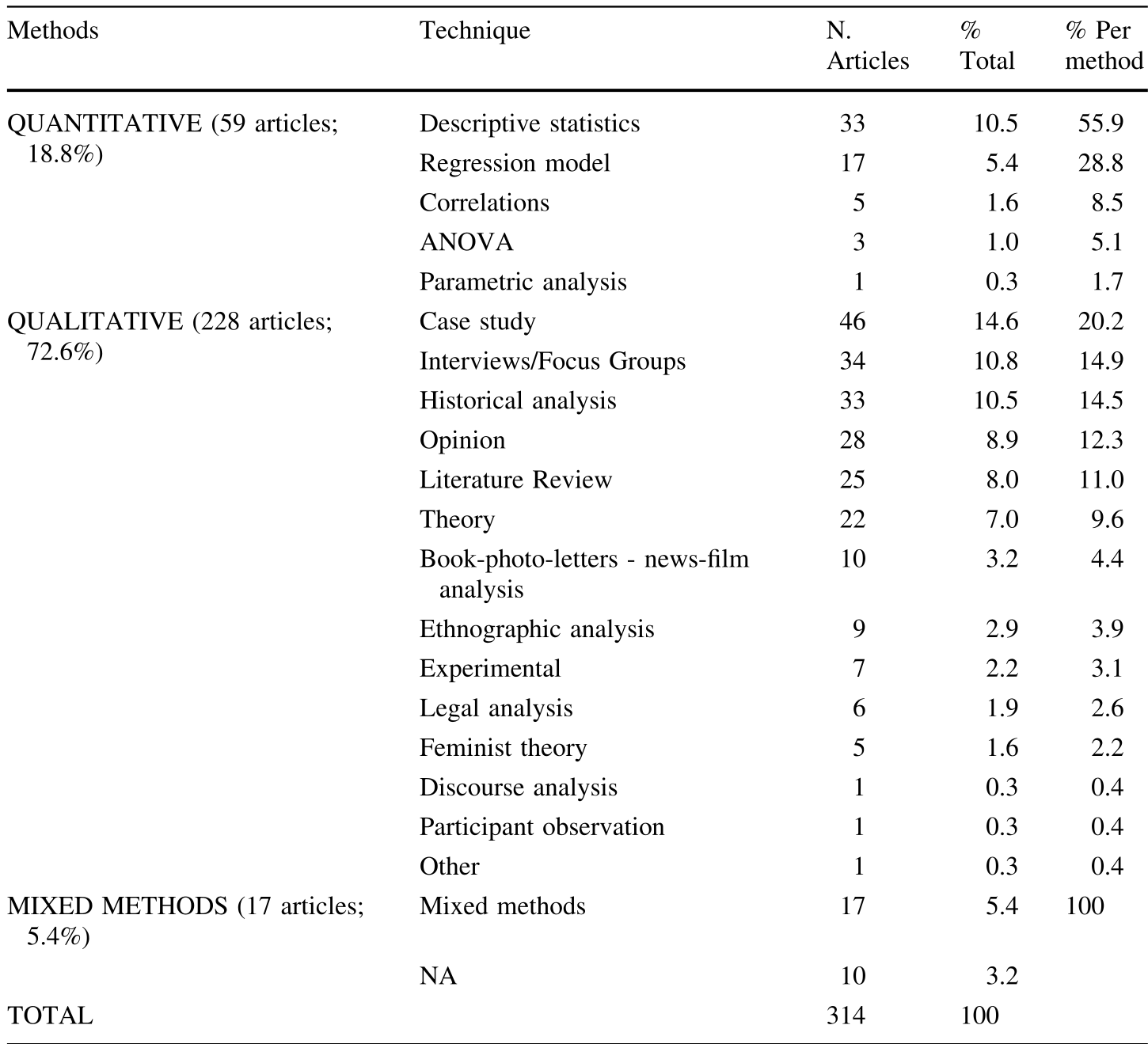
- Methodological Divergence: The study found a statistically significant correlation between gender and methodology: women are far more prolific in qualitative research (case studies, interviews), while quantitative methods are more evenly distributed across genders.
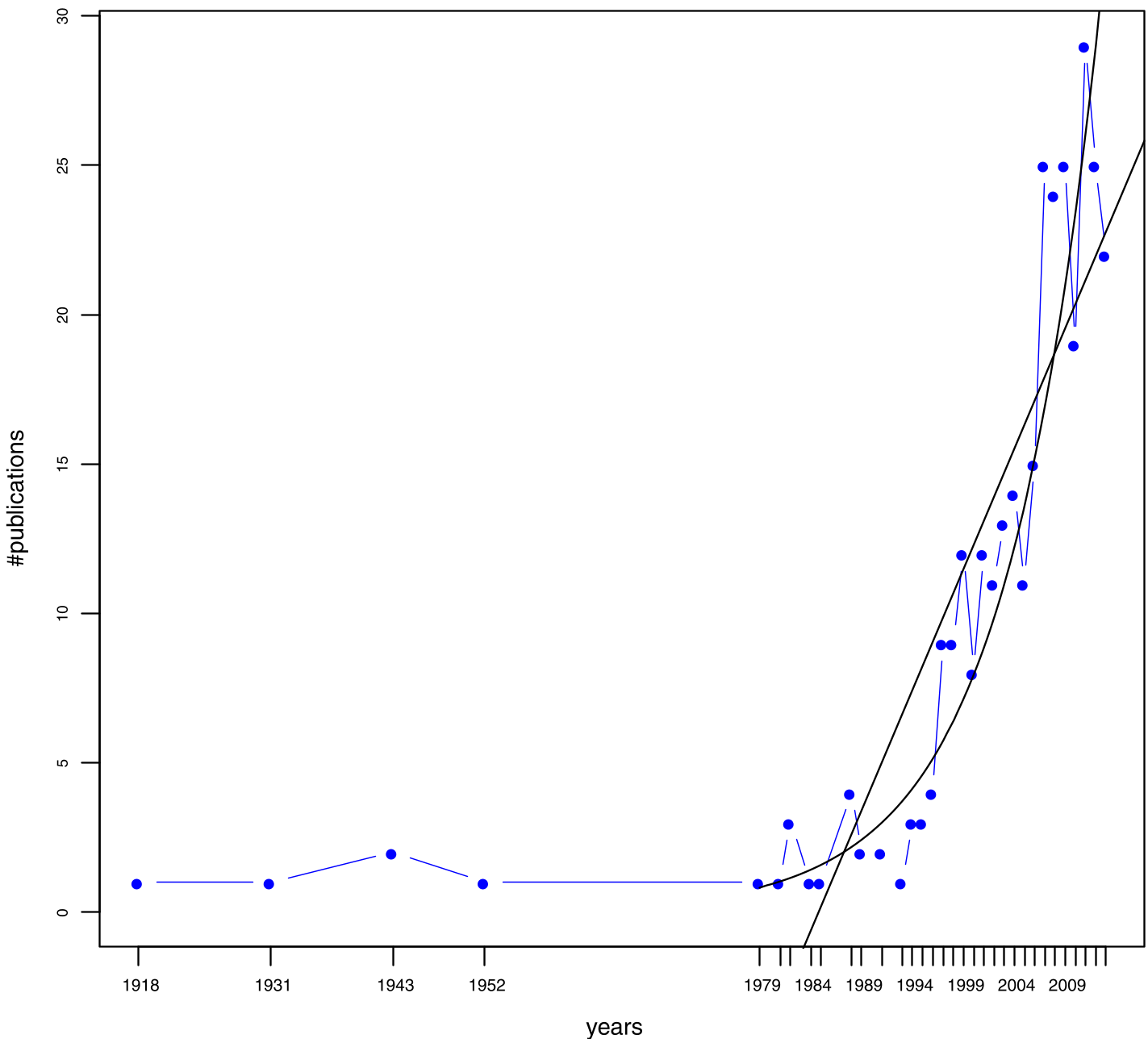 The graph shows the dramatic rise in WPS publications, particularly following key UN milestones in the late 1990s and early 2000s.
Content Anatomy: What are we actually studying?
The study categorized the field into four thematic pillars:
- Civilians (50%): The dominant focus—concentrating on women as victims of conflict and participants in grassroots peace-building.
- Military (26.8%): Exploring gender integration and sexual harassment within armed forces.
- Public Perception (21.3%): Analyzing how society views conflict through a gendered lens.
- UNSCR 1325 (1.6%): Surprisingly, direct analysis of the resolution itself remains a tiny niche, representing a massive research opportunity.
Critical Insight & Future Outlook
The "Anglo-centric" nature of the field is its greatest limitation. With 64% of articles originating from US, UK, Australian, or Canadian universities, the field risks suffering from an Inductive Bias—applying Western feminist frameworks to global conflicts that may require different ontological lenses.
Final Takeaway: To mature, WPS must move beyond "Add Women and Stir." The future lies in Mixed Methods and Transnational Collaboration. The research is there; now it needs to be connected, cited, and decentralized from the Global North.