
Digital Health Sovereignty: Rethinking Women’s Health HCI in Latin America
Women’s Health Digital Interventions in Latin America
This paper presents a systematic review (PRISMA) of Human-Computer Interaction (HCI) research focused on digital health interventions for women in Latin America. It analyzes 8 key studies centering on reproductive health, cancer, and mHealth technologies, identifying a significant gap in menopause-related research and long-term deployment strategies.
Executive Summary
TL;DR: This paper provides a critical systematic review of how digital technology serves (and fails) women's health in Latin America. By analyzing existing Human-Computer Interaction (HCI) literature through the PRISMA framework, the authors reveal a landscape dominated by reproductive health and cancer interventions, while exposing a startling total absence of digital research regarding menopause in the region.
Positioning: This is a foundational "gap-analysis" work. It bridges the divide between Western-centric HCI design and the socio-cultural realities of the Global South, advocating for a shift from "tracking utilities" to "decision-making empowerment."
The Problem: The "Life Transition" Knowledge Gap
Standard health models often treat medical events as linear: prevention, diagnosis, treatment, and recovery. However, the authors argue that women’s health is unique because it is defined by Life Transitions—events like menarche, pregnancy, and menopause that are determined by perception, time, and disruption rather than mere pathology.
In Latin America, this complexity is compounded by:
- Geographic Bias: Most women's health HCI research is conducted in North America or Europe.
- Health Disparities: Historical exclusion from clinical trials has left Latin American women with lower health literacy and fewer localized digital resources.
- Socio-Economic Barriers: High rates of teenage pregnancy and poverty necessitate interventions that work within low-literacy and mobile-first environments.
Methodology: Mapping the Latin American HCI Landscape
The researchers utilized the PRISMA (Preferred Reporting Items for Systematic Reviews and Meta-Analyses) framework to ensure a rigorous selection process.
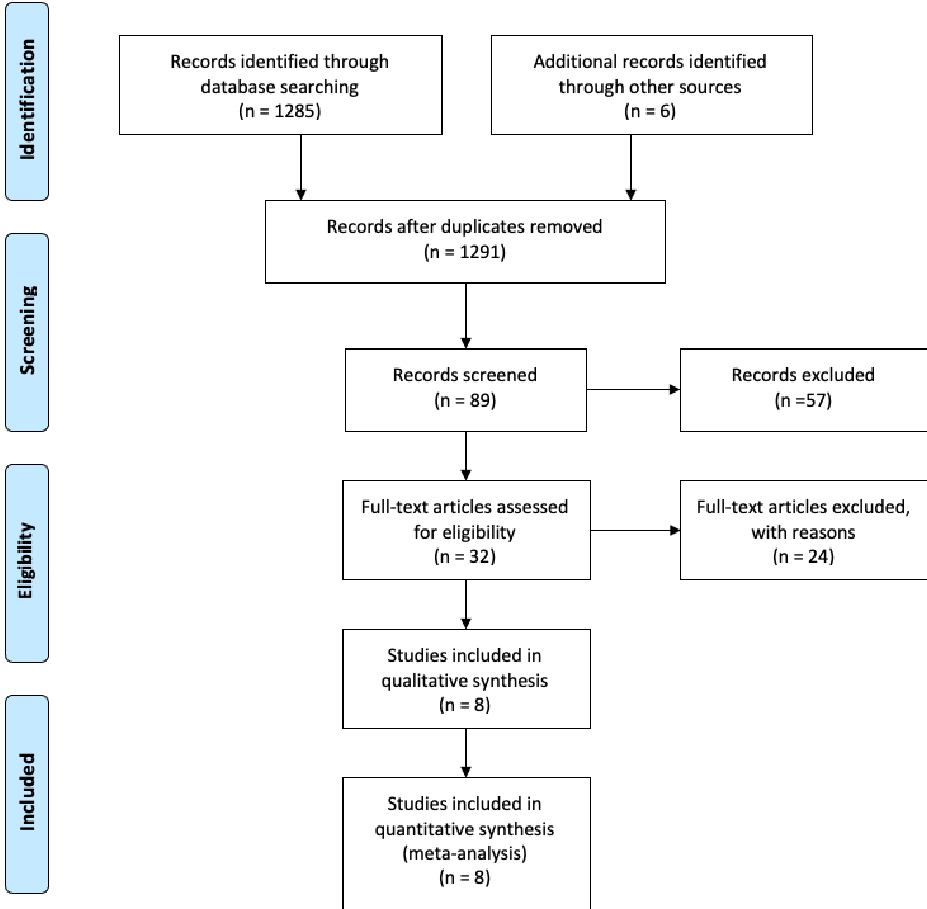
Out of 1,285 records, only 8 studies met the rigorous criteria of occurring in Latin America, involving a digital intervention, and providing validation/testing results. This small number in itself is a significant finding, highlighting how under-researched this demographic remains in the global HCI community.
Key Findings: What is being built (and for whom?)
The meta-analysis categorized the research into three distinct themes:
1. The Primacy of Reproductive Health
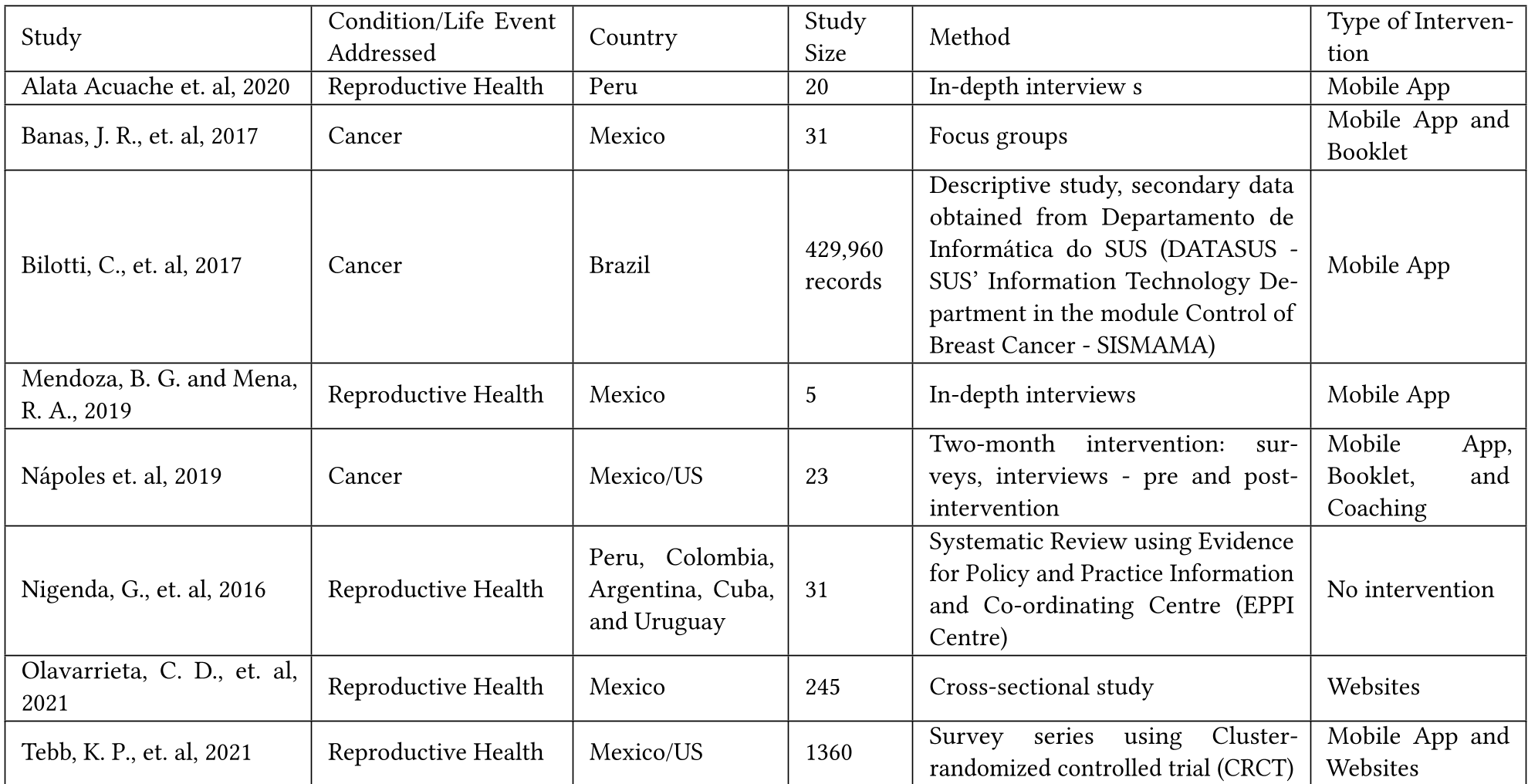
5 of the 8 studies focused on reproductive issues. In countries like Mexico and Peru, digital tools like AMMY and GYNAPP are being tested to help women track menstrual anomalies. This focus is a direct response to regional challenges like high teenage pregnancy rates and lack of formal health education.
2. Beyond the Smartphone
Interestingly, the most successful interventions weren't just "apps." They were hybrids. For example, breast cancer support tools in Mexico and the US combined mobile apps with physical booklets and personalized coaching. This suggests that in Latin America, "high-tech" must be paired with "high-touch" (social support) to be effective.
3. The Digital "Self-Diagnosis" Trend
The review found that Latin American women rely heavily on social media and search engines for health information. In rural Oaxaca, Mexico, teenagers trust online communities more than traditional clinics for questions regarding contraception and sexual health.
Critical Analysis: The Menopause Silence
The most striking insight from this paper is the total absence of menopause-related HCI research in Latin America. While pregnancy and cancer receive clinical and technological attention, the transition of menopause remains a "blind spot."
Furthermore, current tools are overly logistical—they focus on scheduling and tracking. The authors argue for a pivot toward Decision-Making Systems. In contexts where health literacy may be low, an app shouldn't just record a symptom; it should provide the unbiased information necessary for a woman to make an informed choice about her own body.
Conclusion & Future Outlook
The paper concludes that while digital interventions in Latin America show high user satisfaction, they lack long-term strategy. Most are short-term pilots rather than sustainable infrastructures.
The Takeaway for Researchers: The next frontier for Women's Health HCI isn't just another tracker. It is the development of culturally anchored, decision-support communities that address the "ignored" phases of life, like menopause, and provide dignity through information sovereignty.