
Inside the IEEE EAB: A Global Blueprint for Engineering Education Lifecycle
8616_A Year in the Life of the IEEE Educational Activities Board [DSP Education].
The article provides a comprehensive overview of the IEEE Educational Activities Board (EAB) initiatives, highlighting its ecosystem comprising pre-university outreach (TryEngineering), teacher training (TISP), and global accreditation. It details how the EAB serves the full educational spectrum to ensure a robust pipeline of engineering talent and standardized excellence worldwide.
Executive Summary
TL;DR: The IEEE Educational Activities Board (EAB) manages a massive, global infrastructure designed to secure the future of engineering. From the TryEngineering.org portal used by millions to international accreditation efforts and the TISP teacher training workshops, the EAB bridges the gap between grade-school curiosity and professional mastery.
Contextual Positioning: This report serves as a foundational "State of the Union" for IEEE's educational arm, showcasing how a professional organization can pivot from a mere member society to a global pedagogical authority.
The Motivation: A Leaky Engineering Pipeline
The primary driver behind the EAB's 2011 agenda was a growing concern regarding the "leaky pipeline" in STEM. High school students were increasingly opting out of science and engineering due to a lack of clear information and engaging curricula. The EAB realized that professional engineers cannot exist without a continuous supply of motivated students and teachers who are equipped to teach design, not just theory.
Methodology: The "Full Spectrum" Approach
The EAB doesn't just focus on one niche; it utilizes a Multi-Tiered Educational Framework:
1. Pre-university Outreach (TryEngineering)
The flagship was the launch and expansion of TryEngineering.org. More than just a website, it functioned as a multilingual (9 languages) repository of over 100 vetted lesson plans.
 Fig 1: The digital gateway for pre-university students and counselors.
2. Teacher-in-Service Program (TISP)
Recognizing that teachers are the primary influencers, TISP trains IEEE volunteers to assist school teachers. This creates a scalable model where 436 trained participants can eventually impact hundreds of thousands of students.
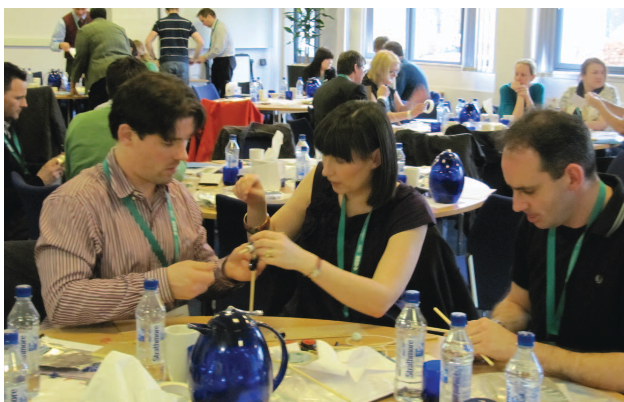 Fig 2: A TISP workshop in Scotland, showcasing the hands-on nature of the training.
3. Global Accreditation Coordination
One of the most critical but invisible roles of the EAB is through the CGAA (Committee on Global Accreditation Activities). By supporting the development of accrediting bodies worldwide, the IEEE ensures that a degree in Scotland, India, or Saudi Arabia meets a unified standard of excellence.
Impact & Key Results
The data from 2011 validates the EAB's massive reach:
- Engagement: 68,000 visitors per month spending an average of 24 minutes on-site—a high engagement metric for educational portals.
- Pedagogical Reach: 6.5 million lesson plans downloaded, directly influencing classroom environments globally.
- Breadth: TISP workshops reached all 10 IEEE regions, involving over 407,000 students per year.
- Professional Growth: The e-Learning library reached 300 modules, addressing the "Continuing Education" needs of practicing engineers.
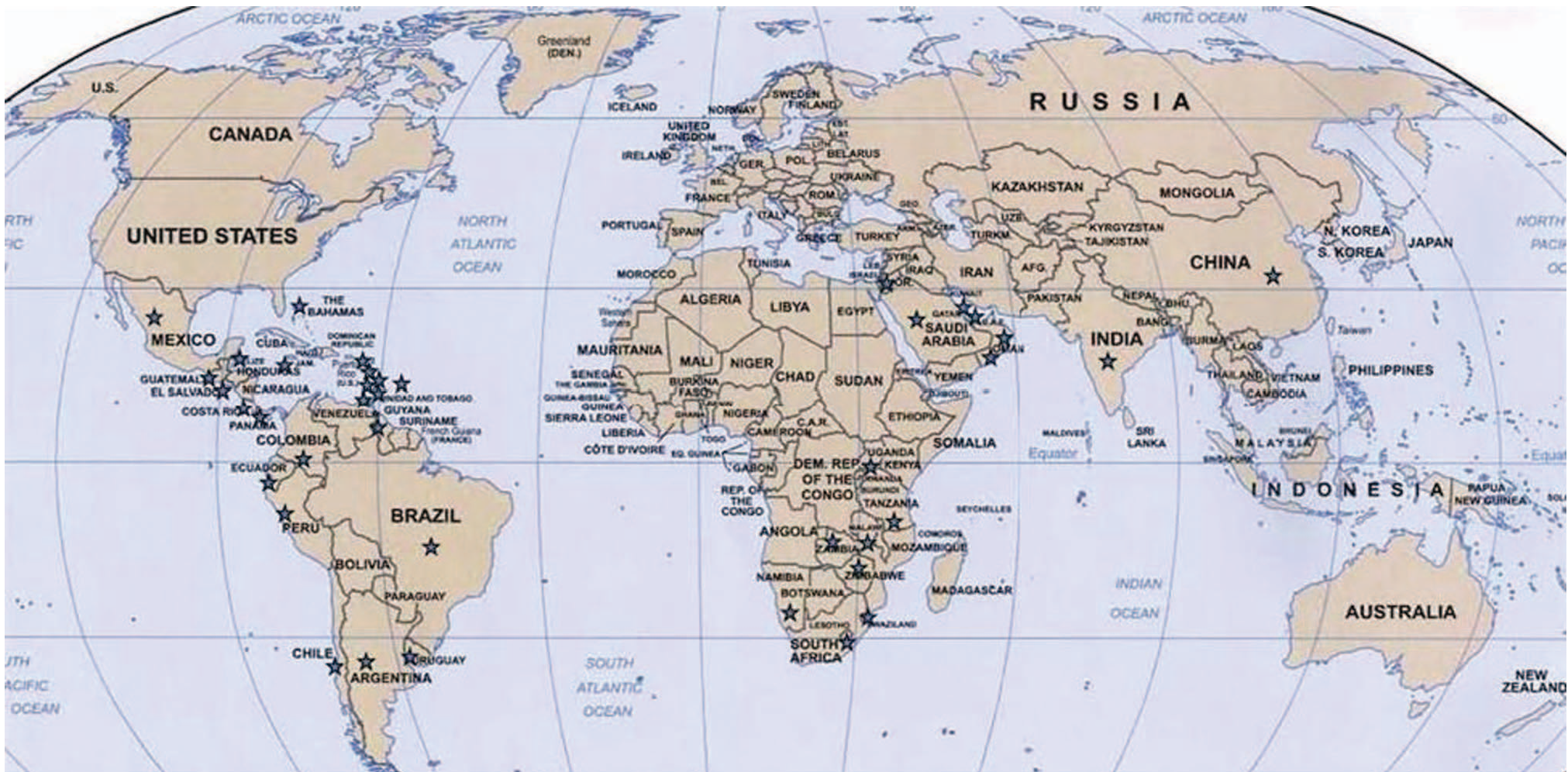 Fig 3: The global footprint of IEEE's accreditation support activities.
Critical Insights & Future Outlook
Takeaway: The EAB’s success lies in its Inductive Bias toward localized globalism. By translating resources into nine languages and conducting physical workshops in diverse regions (Scotland, Canada, India, Saudi Arabia), they overcome the cultural barriers inherent in technical education.
Limitations: While the 2011 report shows massive download numbers, it lacks a longitudinal study on how many of these "TryEngineering" users actually graduate as engineers four to five years later.
Future Horizon: The mention of TryComputing and TryNano suggests that the IEEE is successfully modularizing its educational framework to adapt to emerging technologies. As we move further into the decade, the integration of these platforms with online English proficiency tools (like the "English for Technical Professionals" program) will be vital for the global workforce.