
Upgrading YouTube Search: Bridging the Semantic Gap with Contextual Tag Generation
Upgrading YouTube Video Search by Generating Tags Through Semantic Analysis of Contextual Data
This paper introduces a semantic-based tag recommendation system designed to improve YouTube video retrieval. By combining contextual metadata (title and description) with related video tags and processing them through WordNet synonyms and Edit Distance algorithms, the system significantly enhances the relevance of search results compared to traditional user-provided tags.
TL;DR
Search relevance on YouTube is frequently hindered by poorly chosen user tags. This research presents a method to automatically generate high-quality tags by performing semantic analysis on video titles, descriptions, and related video metadata. Using a combination of Edit Distance for dissimilarity checking and WordNet for synonym expansion, the system achieves a 52.9% F1-score, significantly outperforming manual tagging and traditional algorithms like TextRank.
The "Acronym" Problem: Why Search Breaks
Have you ever searched for "LCS" and failed to find a video about "Longest Common Subsequence"? This is the core pain point identified by Ara and Bhuiyan. Because YouTube allows unstructured, user-defined keywords, there is often a massive mismatch between how a user searches and how an uploader tags.
The researchers point out that while video content might be high-quality, irrelevant or insufficient tags make it "impenetrable" to the search index. The goal is to move from a rigid keyword-matching system to a semantic system that understands that "PHP" is a "Programming Language" even if the uploader didn't explicitly say so.
Methodology: Semantic Enrichment
The authors propose a system architecture that moves through three critical phases: Data Accumulation, Dataset Enrichment, and Tag Formulation.
1. The Multi-Source Dataset
Instead of relying on a single source, the model builds two distinct datasets:
- Dataset 1: Refined words from the target video's Title and Description after removing "MySQL" stop words.
- Dataset 2: Tags extracted from related videos, identified through word co-occurrence analysis in descriptions.
2. The Tag Generating Algorithm
The "secret sauce" lies in how these datasets are merged. The system uses Edit Distance to measure the dissimilarity between words. If a word is close enough to the core topic (threshold ), it is considered co-related.
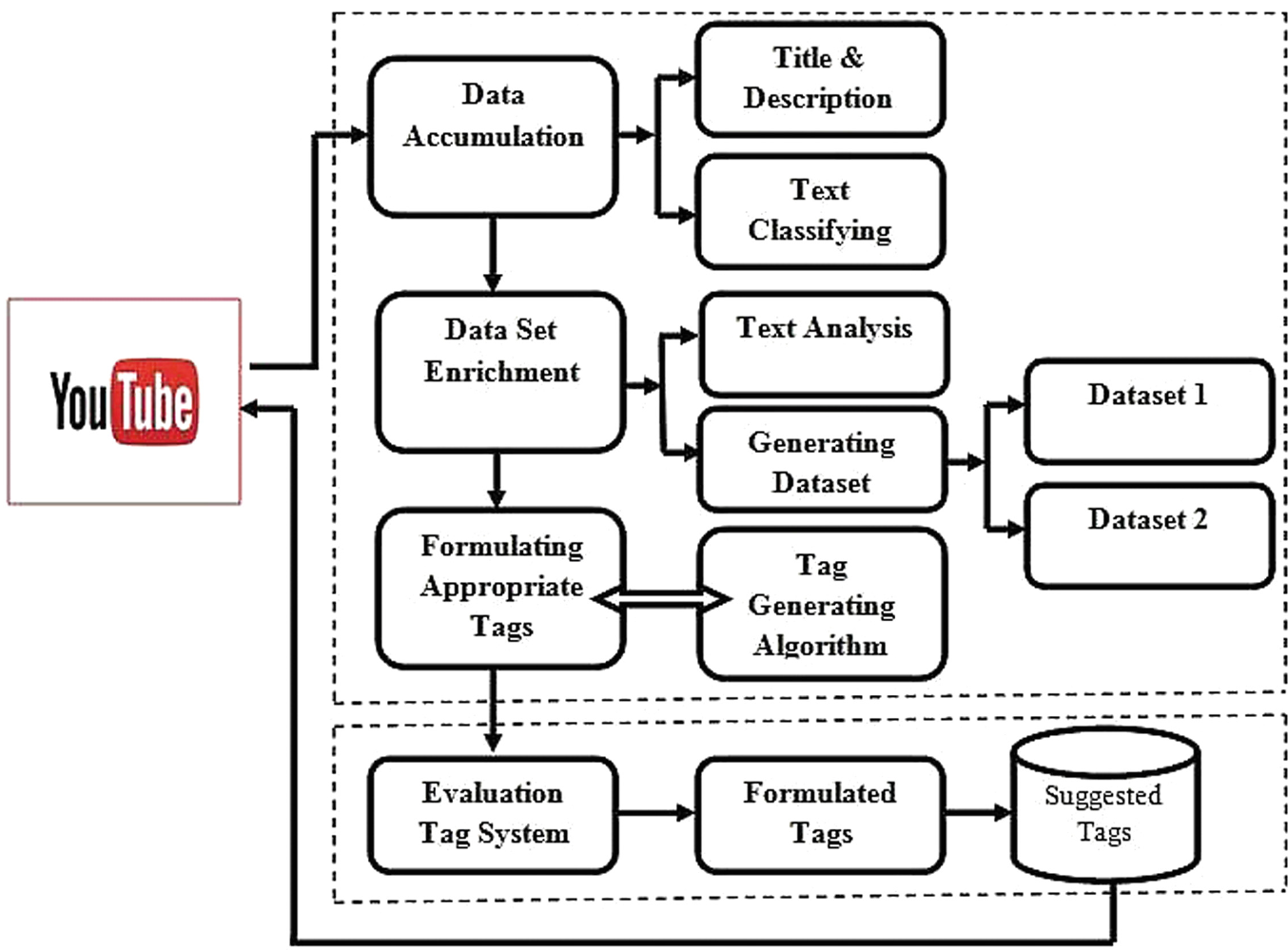 Fig 1: The proposed system architecture for formulating tags semantically.
3. WordNet Integration
To solve the "LCS vs. Longest Common Subsequence" problem, the algorithm queries WordNet, a lexical database, to fetch synonyms. This ensures that the final tag list expands the search reach by including varied terminology for the same concept.
Experimental Results
The study evaluated 1,000 videos across 10 categories (Education, Science/Tech, Sports, etc.).
- Performance by Category: "Science and Technology" and "Education" saw the highest gains, with F1-scores reaching 60.9%.
- The Baseline Killer: Compared to TextRank, which managed a 31.2% precision, the proposed semantic approach reached 55.8% in the education category.
- Human Evaluation: 20 volunteers compared the newly generated tags against existing ones. As shown in the data, the proposed tags had significantly higher "80% relevancy" ratings than the original tags.
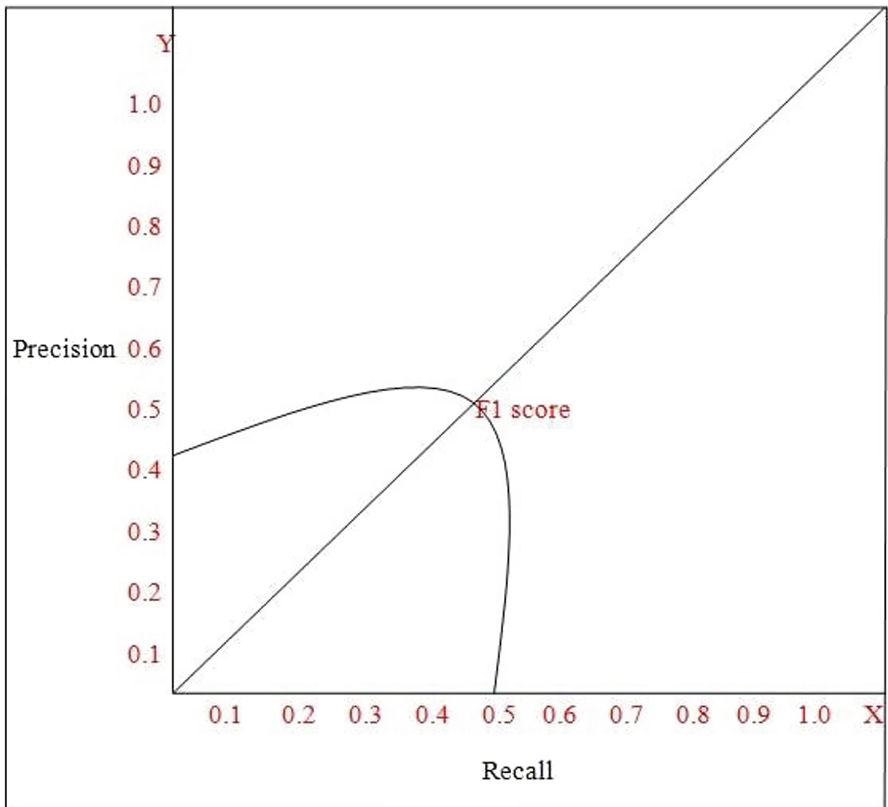 Fig 2: Comparison of Precision, Recall, and F1 across 1,000 videos.
Deep Insight: Limits and Potential
While the system is robust for educational and technical content, it struggled with Sports (lowest F1-score of 36.4%). This is likely because sports metadata is often filled with names, dates, and non-lexical emotional jargon that WordNet and standard stop-word filters aren't optimized for.
Conclusion
The takeaway for the industry is clear: Context is King. By leveraging the "neighborhood" of a video (related video tags) and the linguistic "family" of its description (synonyms), we can create a search experience that is far more resilient to human error in tagging.
Future Work: The authors suggest that incorporating more advanced statistical techniques and expanding the dataset size will be the next frontier in making YouTube search truly "semantic."