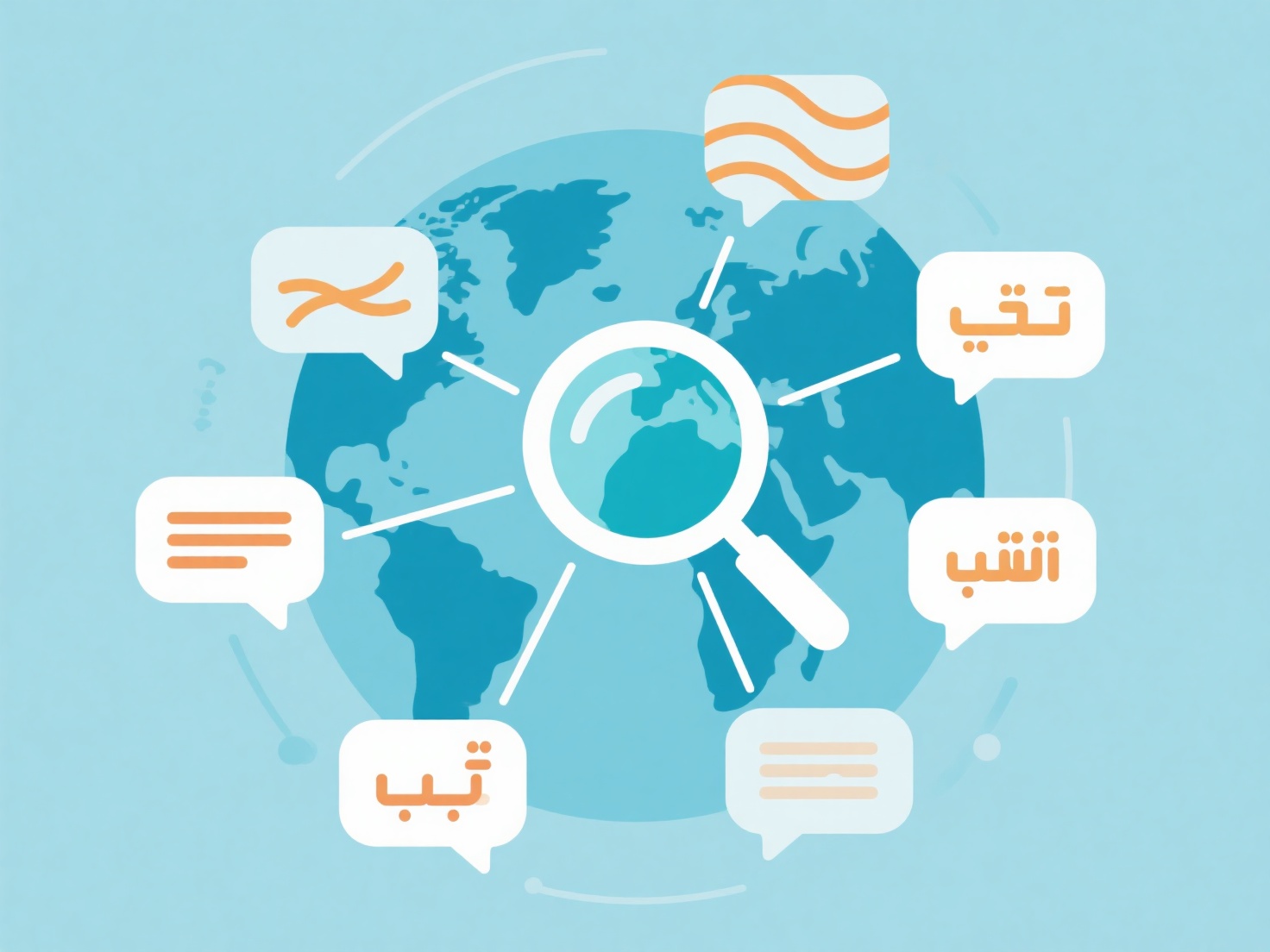
To access foreign language databases in a specific field, you should identify regional academic repositories, use institutional library proxies for access, and employ translated search terms to find relevant international literature.
Expanding your literature search beyond English-language journals is a great way to discover unique methodologies, access localized data, and ensure a truly comprehensive literature review. However, finding and utilizing global research requires knowing exactly where to look and how to bypass language barriers.
Identify Regional Academic Repositories
Different regions rely on specific databases for their academic publishing. Depending on your research area, you will want to target the primary regional search engines:
- Asia: CNKI (China National Knowledge Infrastructure) is essential for Chinese research, while J-STAGE hosts Japanese scientific and medical journals.
- Latin America: SciELO and Redalyc provide extensive open-access journals in Spanish and Portuguese across the sciences and humanities.
- Europe: Cairn.info is the go-to for French humanities and social sciences, while Dialnet covers Hispanic academic literature.
Translate Your Search Keywords Properly
Searching a foreign database using English keywords will usually yield limited results. Before you begin your search, compile a list of your core research terms and translate them into the target language. Be careful with literal translations; instead, look for the specific academic jargon used by native researchers in that field to ensure you are finding the most relevant scholarly articles.
Leverage Institutional Access
Many premium international databases sit behind a paywall. Check your university library’s A-Z database list, as institutions often hold subscriptions to major global repositories. By logging in through your university’s proxy server or VPN, you can bypass paywalls and download full-text PDFs just as you would with standard domestic databases.
Overcome the Reading Barrier
Finding international papers is only half the battle; understanding the text is the next major hurdle. Instead of slowly copying and pasting paragraphs into standard translation apps, you can use WisPaper's AI Copilot to translate full foreign language papers seamlessly, allowing you to comprehend complex international research without breaking your reading flow.
By strategically exploring these international databases and utilizing modern translation tools, you will uncover valuable research gaps and bring a much stronger, global perspective to your own academic work.