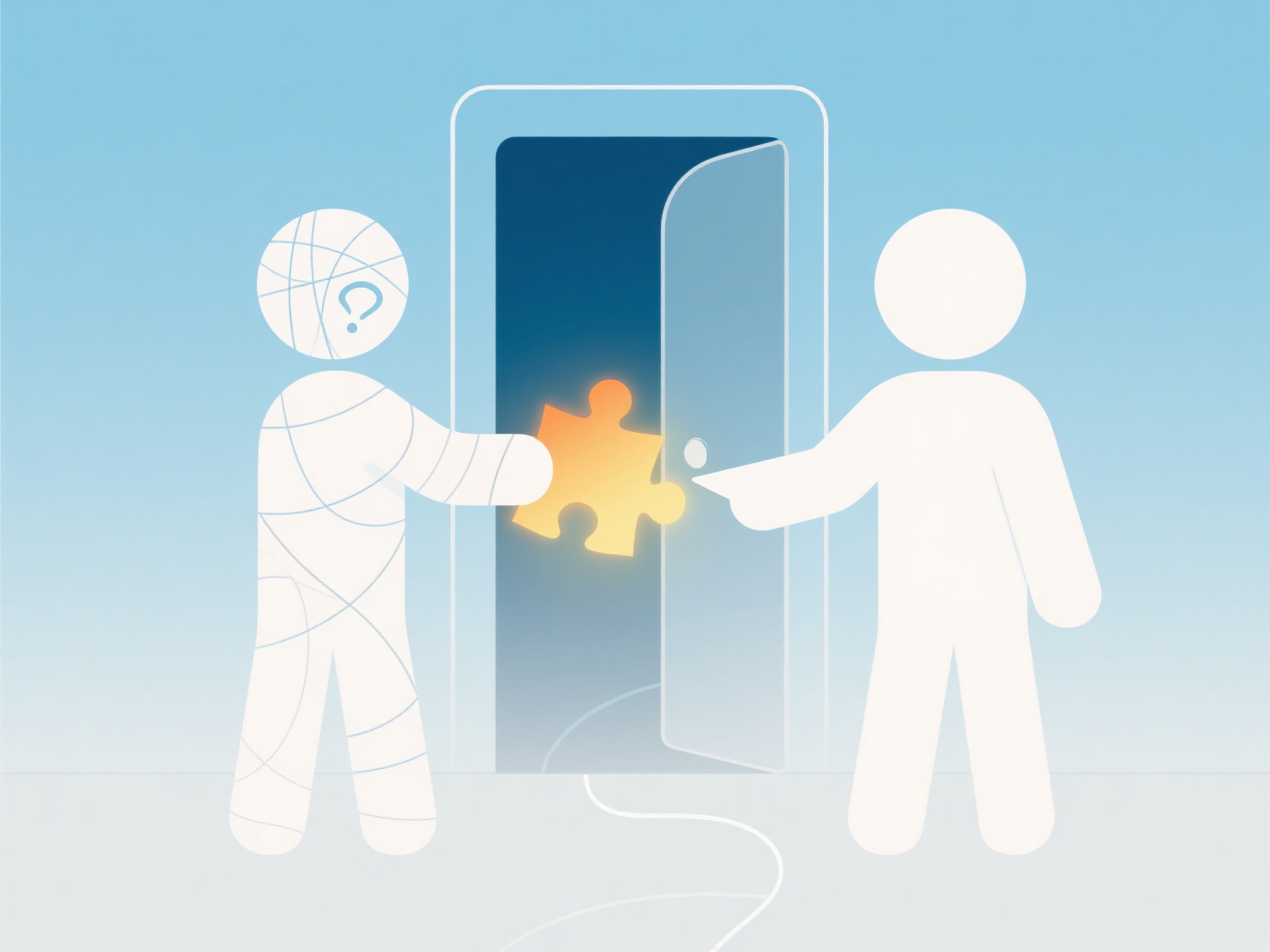
To avoid misunderstandings with research partners, you must establish clear communication channels, define specific project roles, and agree on authorship expectations before the project begins.
Collaborative research is essential for tackling complex academic questions, but it can easily derail if expectations aren't aligned. Whether you are working with a fellow graduate student, a principal investigator, or an international lab, setting ground rules early prevents professional friction. Here is how to effectively manage your research partnerships and keep everyone on the same page.
Define Roles and Responsibilities Upfront
Be explicit about what each partner will contribute to the study. Decide who is designing the methodology, who is handling the data collection, and who is running the statistical analysis. Documenting these responsibilities prevents overlapping work, ensures no critical tasks fall through the cracks, and sets clear accountability for project milestones.
Discuss Authorship and Publication Goals
Authorship order is arguably the most common cause of academic disputes. Have a transparent conversation early on about who will be the first author, corresponding author, and co-authors based on expected contributions. You should also align on target journals and publication timelines to ensure everyone has the same expectations for the final output. Remember to revisit this agreement if the scope of work shifts significantly during the project.
Establish a Centralized Literature Hub
When multiple researchers are conducting literature reviews, version control and reference tracking can quickly become chaotic. You need a single source of truth for your foundational texts. Using a system like WisPaper's My Library allows your team to organize papers, manage references Zotero-style, and even chat with your own uploaded documents via AI, ensuring all partners are extracting the same insights and avoiding redundant reading.
Set Communication and Meeting Routines
Determine how often you will meet and which tools you will use for day-to-day updates. If you are working with international partners, be mindful of time zones and establish core working hours for synchronous communication. Regular check-ins—whether weekly video calls or bi-weekly progress emails—help catch minor misalignments before they turn into major research setbacks.
Draft a Written Collaboration Agreement
Put your agreed-upon roles, timelines, and data-sharing protocols into a written document. While it doesn't need to be a formal legal contract, having a written summary to refer back to provides immense clarity. It protects the professional relationship and serves as an objective reference point if disagreements arise later in the research process.