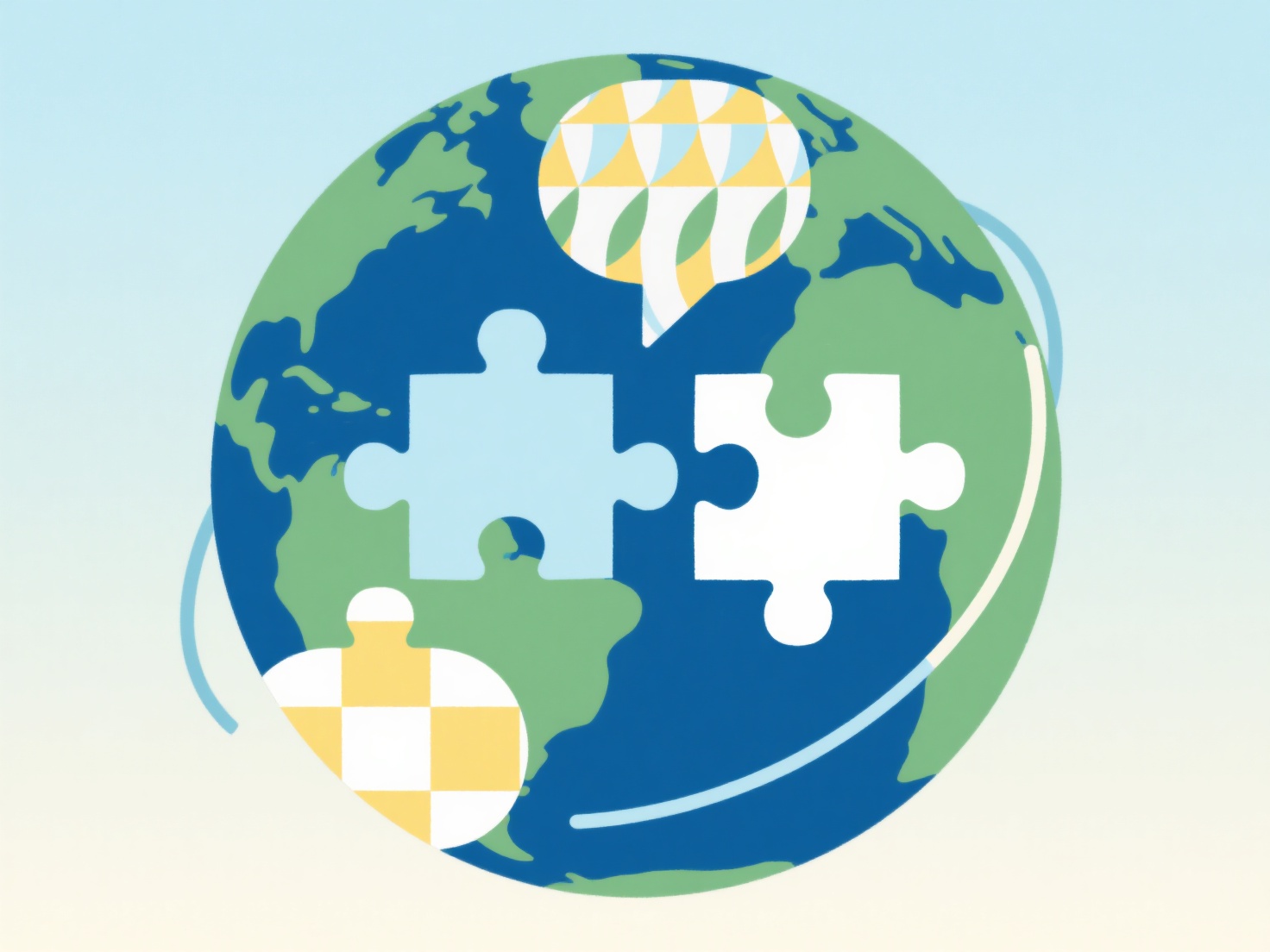
You can adapt to language barriers in academic research by using specialized translation tools, building a glossary of field-specific terminology, and focusing on the universal structural elements of a paper first. For non-native speakers and researchers exploring international literature, overcoming language differences is essential for staying updated and avoiding missed opportunities in your field.
Here are the most effective strategies to navigate and overcome language barriers in academia:
Use Specialized Translation Tools
Standard translation apps often struggle with complex academic jargon, leading to confusing or inaccurate results. Instead of relying on basic translators, use AI-powered tools designed specifically for academic reading. For example, if you are reading foreign papers, WisPaper's AI Copilot translates full documents and can even rewrite dense academic sections into easy-to-understand summaries. This allows you to grasp the core methodology and results without getting bogged down by complex syntax.
Focus on Visuals and Data First
Data is often considered the universal language of science. Before attempting to read a foreign language paper word-for-word, scan the structural elements. Start with the abstract, then move directly to the charts, graphs, tables, and equations. Analyzing the visual data and reading the conclusion can give you a solid understanding of the study’s outcome, helping you decide if the paper is worth a full, time-consuming translation.
Build a Personal Academic Glossary
Every research niche has a specific set of recurring vocabulary. As an ESL researcher, keeping a running spreadsheet of field-specific terms and their translations can drastically speed up your reading process. Over time, you will naturally memorize these key phrases, reducing your reliance on translation software and making your literature search much more efficient.
Collaborate with International Peers
Do not let language barriers isolate your research. Reach out to multilingual peers or join international academic networks in your discipline. Collaborating with researchers who are fluent in the target language can help you navigate complex literature, ensure your own writing is clear, and open doors for cross-cultural co-authorship.