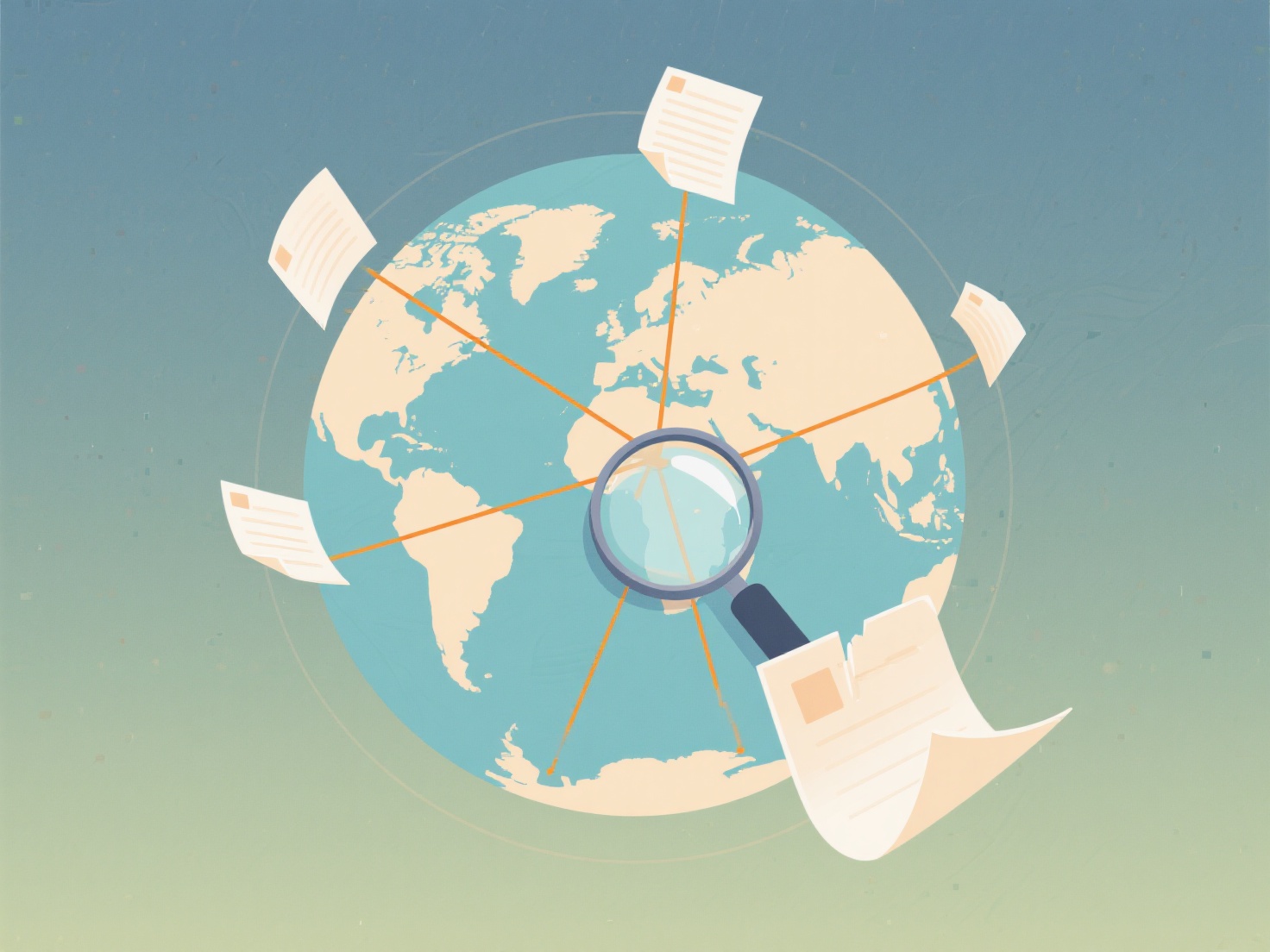
To cite cross-border research without errors, you must accurately identify the author's family name, provide both the original and translated titles, and strictly follow your style guide's rules for foreign-language sources.
Incorporating international research into your literature review strengthens your work, but it also introduces unique citation challenges. Dealing with non-Latin alphabets, unfamiliar naming conventions, and translated journals can easily lead to formatting mistakes or inaccurate bibliographies.
Here is a practical guide to perfectly citing cross-border and foreign-language studies.
1. Master International Naming Conventions
One of the most common errors in citing global research is misidentifying the author's surname. In many Asian and Eastern European cultures, the family name precedes the given name. Before adding a source to your reference list, verify the author's preferred English publishing name or check how they are indexed in major academic databases to ensure your alphabetical ordering and in-text citations are correct.
2. Include Original and Translated Titles
When citing a paper written in a different language, most major citation styles (like APA and MLA) require you to provide the title in its original language, followed by an English translation in square brackets. If the original title uses a non-Latin alphabet (such as Cyrillic, Arabic, or Mandarin), you will generally need to provide a transliterated version of the title using the Latin alphabet before adding the bracketed English translation.
3. Verify the Primary Source
When you find a great point from a foreign study mentioned in an English paper, avoid relying on a secondary citation. Always try to track down the original document to confirm the context. If you are dealing with a massive volume of international literature, WisPaper's TrueCite automatically finds and verifies citations to eliminate hallucinated references and ensure your cross-border sources are completely accurate.
4. Specify the Publication Language
Depending on your specific style guide, you may need to explicitly state the original language of the publication at the end of your citation. This helps your readers understand the nature of the source, especially if they want to retrieve the document for their own cross-cultural studies.
5. Double-Check Journal and Publisher Names
Do not translate the name of the academic journal or the publisher unless the publisher officially uses a bilingual name. The journal title should remain in its original language (transliterated if necessary) so that other researchers can easily locate the exact publication in international academic search engines.