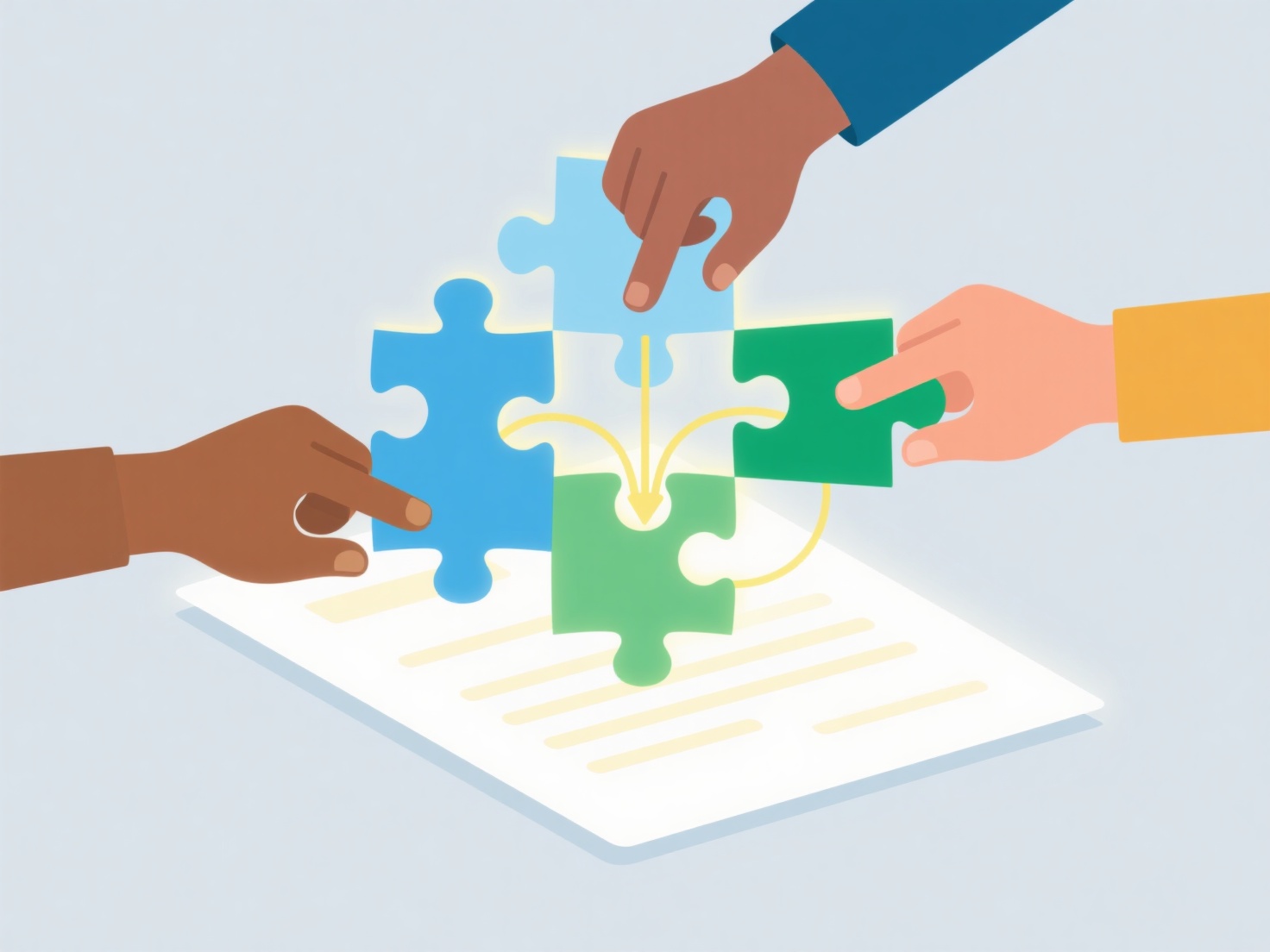
To successfully collaborate on a theoretical framework for a grant proposal, your research team must align on the core problem, conduct a shared literature review, visually map out key concepts, and iteratively draft the narrative together.
Securing research funding often hinges on a strong theoretical foundation. When multiple researchers are involved, building this framework requires structured teamwork to ensure your grant application is cohesive, persuasive, and logically sound. Here is a step-by-step approach to co-creating a winning theoretical framework.
1. Define the Core Research Problem Together
Before selecting a theory, your team needs a unified understanding of the specific problem you are addressing. Host a kickoff meeting to define your primary research questions and the specific variables you plan to investigate. Establishing this consensus early prevents the team from drifting into competing theoretical perspectives later in the writing process.
2. Conduct a Shared Literature Review
A robust theoretical framework is built on existing academic research. Divide the literature search among team members based on their specific areas of expertise. To avoid getting bogged down in irrelevant results during this phase, your team can use WisPaper's Scholar Search, which understands your underlying research intent to filter out the noise and pinpoint the exact foundational papers you need. Once found, use a shared reference manager to organize and annotate these critical sources together.
3. Visually Map Your Concepts
Visualizing how different theories and concepts intersect is one of the most effective ways to collaborate. Use digital whiteboarding tools to draw connections between your independent and dependent variables. Building a visual conceptual framework helps the team identify gaps in logic and ensures that the chosen theories adequately support your proposed methodology.
4. Assign Clear Drafting Roles
Writing the actual grant proposal should not be a free-for-all. Assign one team member to draft the primary narrative of the theoretical framework based on your visual map. Other members can then review and edit the draft. This "single-author draft, multi-author review" method ensures the tone remains consistent while still benefiting from the entire team's expertise.
5. Iterate and Align with Funding Goals
A theoretical framework rarely emerges perfectly on the first try. Schedule regular review sessions to critique the framework's clarity. Most importantly, cross-reference your framework with the grant's call for proposals. Your team must ensure that the theoretical lens you have chosen clearly justifies why your project aligns with the funding agency's broader objectives.