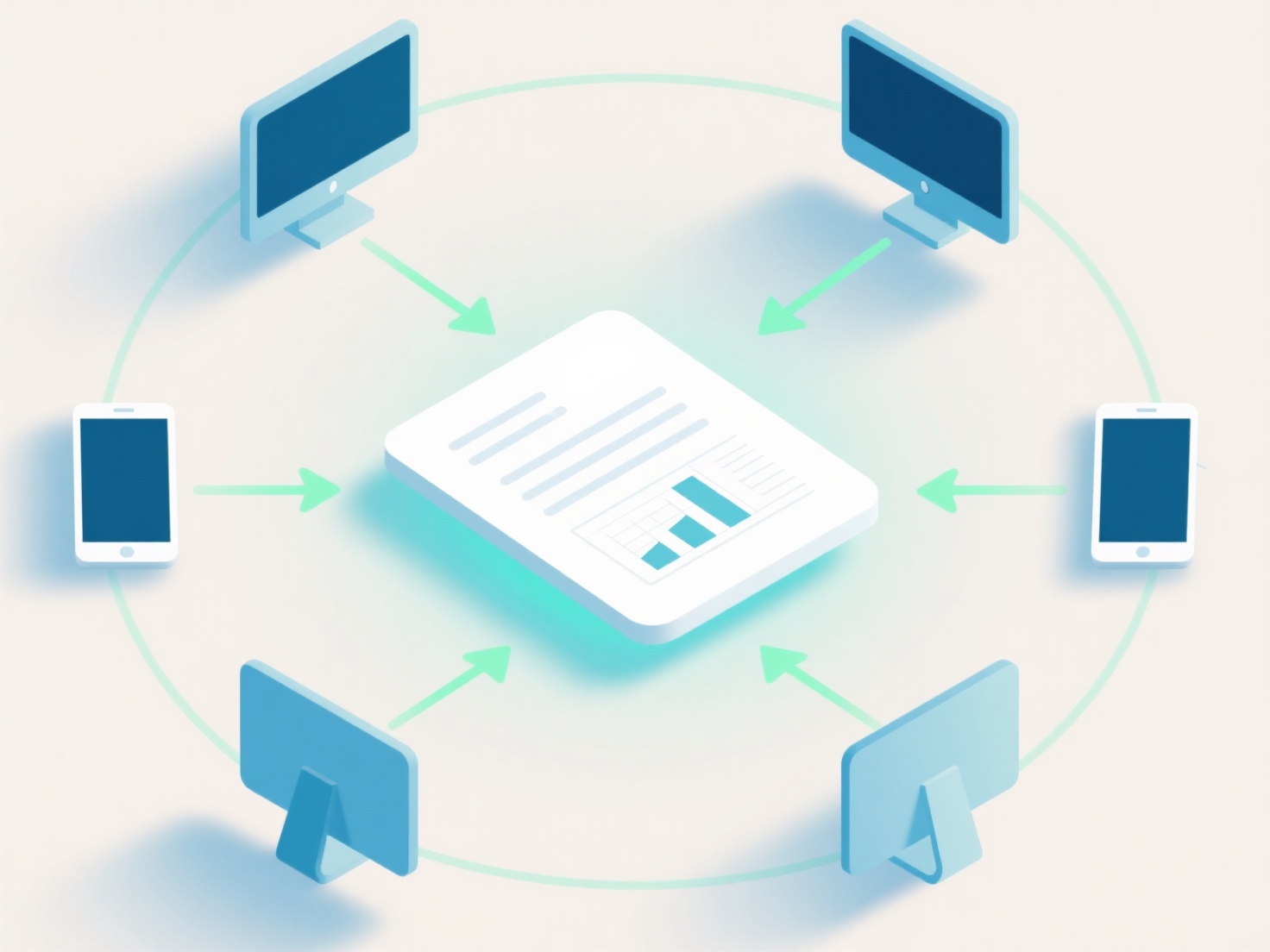
To successfully collaborate with other researchers online, you need to establish clear communication channels, use shared project management tools, and co-manage your literature in cloud-based workspaces.
Transitioning from in-person labs to remote research collaboration can feel daunting, but the right strategies and digital tools make it highly efficient. Here is a step-by-step guide to building a productive virtual research partnership.
1. Find and Connect with Peers
Before you can collaborate, you need to find the right partners. Platforms like ResearchGate, LinkedIn, and academic communities on X (formerly Twitter) are excellent for virtual networking. Attending online conferences and participating in digital poster sessions can also help you identify scholars with overlapping research interests. Once you connect, start with a low-stakes conversation about a recent paper before proposing a formal joint project.
2. Set Up Dedicated Communication Channels
Relying solely on email for remote research often leads to lost messages and delayed responses. Instead, set up a dedicated workspace using tools like Slack, Microsoft Teams, or Discord for day-to-day updates. Pair this with regular video calls via Zoom or Google Meet to discuss complex ideas, brainstorm, and maintain a personal connection across different time zones.
3. Centralize Your Literature and Notes
One of the biggest hurdles in remote academic work is keeping track of shared PDFs, reading notes, and citations. Avoid emailing document versions back and forth. Instead, create a centralized repository for your references; for example, using WisPaper's My Library allows you to organize papers in a Zotero-style manager while letting you use AI to chat with your uploaded documents, making it easier to extract and share key findings.
4. Utilize Collaborative Writing and Data Platforms
When it comes time to draft your manuscript or analyze data, cloud-based tools are essential. For collaborative writing, Overleaf is the industry standard for real-time LaTeX editing, while Google Docs or Microsoft Word Online work well for standard text. If your project involves coding or large datasets, use GitHub for version control and the Open Science Framework (OSF) to securely share your methodology and results with your team.
5. Define Roles and Authorship Early
Virtual collaboration requires explicit boundaries to prevent miscommunication. At the very start of the project, outline clear expectations regarding task delegation, deadlines, and the criteria for co-authorship. Documenting these agreements in a shared project charter prevents misunderstandings down the line and ensures everyone remains perfectly aligned on the final research goals.