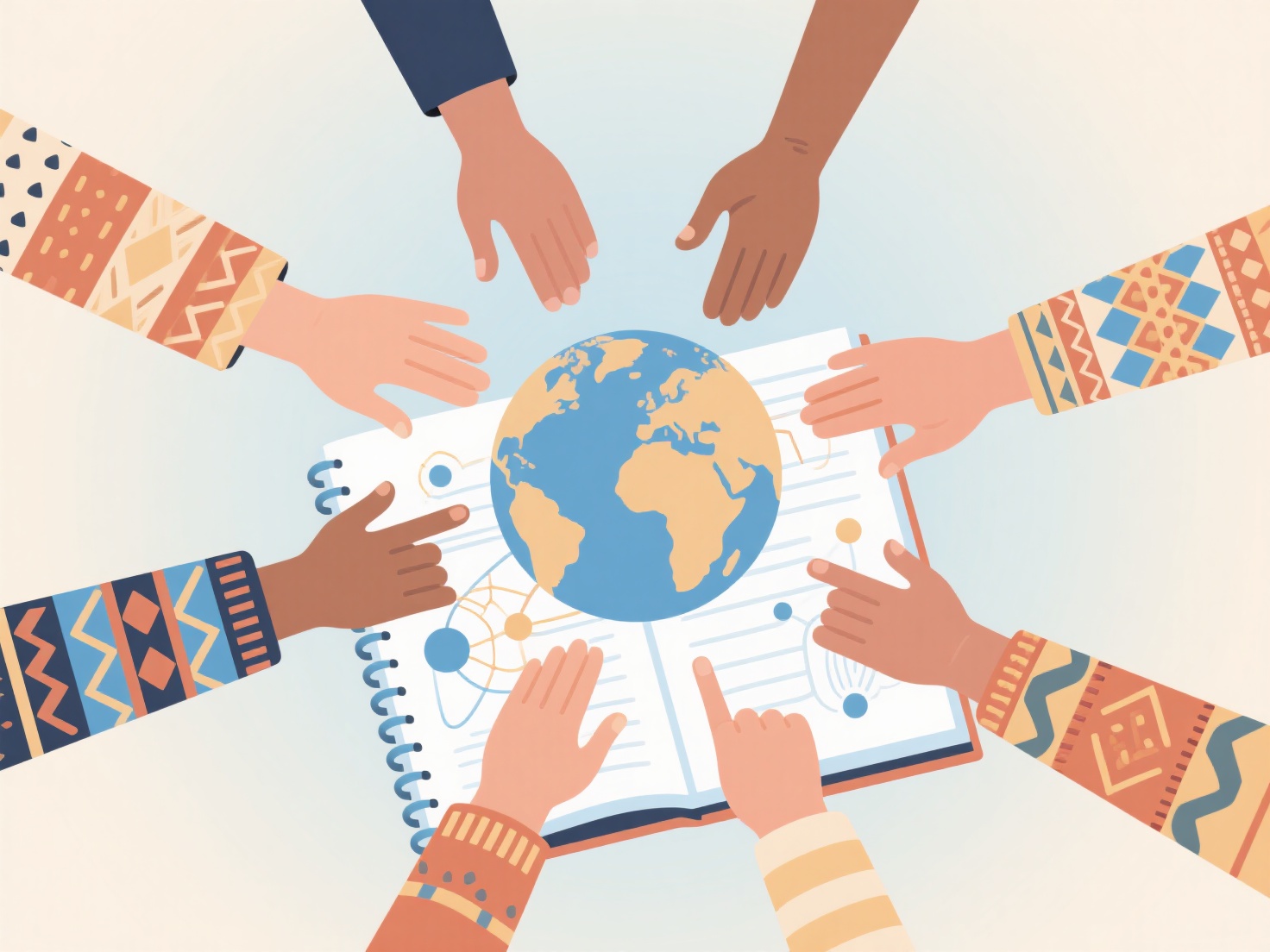
To collaborate effectively with cultural nuances in research for a publication, you must establish open communication protocols, respect diverse methodological traditions, and actively address language barriers early in your project. International collaboration brings invaluable depth to academic publishing, but it requires intentional effort to ensure all team members feel heard and respected.
Here are the best practices for managing cross-cultural research collaborations:
Establish Clear Communication Protocols
Cultural backgrounds often dictate how researchers communicate. Some cultures prefer direct, blunt feedback, while others rely on indirect communication to preserve professional harmony. Discuss these differences openly during your project kickoff. Set clear expectations regarding response times across time zones, preferred communication channels, and how academic disagreements will be handled.
Bridge the Language and Literature Gap
Language differences can lead to misunderstandings in both team discussions and literature reviews. When your team needs to review international literature to understand a specific local context, using tools like WisPaper's AI Copilot can help translate full foreign papers and summarize complex concepts into a shared smart canvas. This ensures that non-native speakers and researchers from different regions can synthesize the same foundational texts without losing critical cultural context.
Align on Authorship and Academic Expectations
Different academic cultures have varying standards for what qualifies someone for authorship. In some regions, senior lab directors are automatically listed as lead authors, while other traditions strictly weigh hands-on individual contributions. To avoid conflict near submission time, agree on authorship order and publication responsibilities on day one. Using standard frameworks, like the CRediT (Contributor Roles Taxonomy), provides an objective way to assign and document credit.
Ensure Cultural Sensitivity in Data Collection
If your research involves human subjects, indigenous knowledge, or local communities, defer to the expertise of your local co-authors. They understand the cultural sensitivities, ethical considerations, and historical context required to gather data respectfully. Allow them to lead or heavily advise the design of surveys and interview questions so that your methodology aligns perfectly with local norms.
Standardize Your Writing Process
When it comes time to draft the manuscript, agree on a unified academic tone and formatting style early on. Because researchers from different regions may structure arguments differently, outline the paper together before anyone starts writing. Consider assigning one team member to do a final developmental edit to smooth out differing writing styles, ensuring the final publication reads cohesively while accurately reflecting the combined expertise of your diverse team.