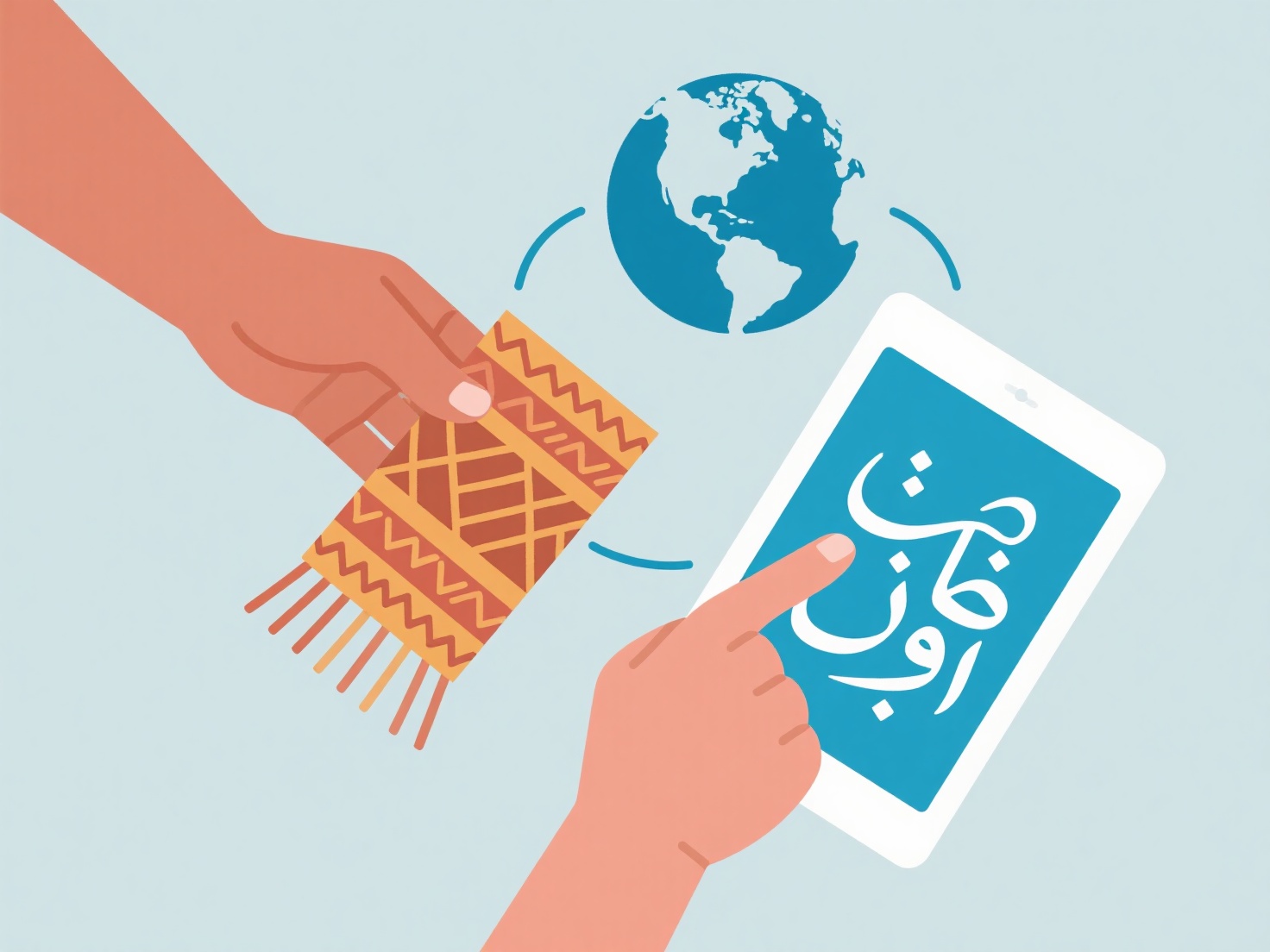
To effectively communicate non-English sources and bridge cultural gaps, researchers must provide accurate translations, contextualize cultural nuances, and explain how these international findings apply to a broader global audience.
Integrating non-English literature into your research is a powerful way to eliminate English-language bias and enrich your literature review. However, presenting international research to an English-speaking audience requires more than just a direct translation; it demands cultural translation.
Here is how you can effectively integrate and communicate foreign-language academic papers in your work.
Provide Accurate Translation and Terminology
When citing a non-English paper, always provide the original term alongside the English translation the first time you use it. Some concepts do not have direct English equivalents, so offering a brief definition helps your readers grasp the exact meaning. If you are struggling to digest foreign literature yourself, WisPaper's AI Copilot translates full papers and can rewrite complex sections into accessible summaries, making it much easier to understand and communicate the core findings accurately.
Contextualize the Cultural Background
Data and findings rarely exist in a vacuum. A methodology or result that makes perfect sense in a specific cultural or regional context might seem unusual to an international audience. Take a few sentences to explain the socio-economic, political, or cultural factors that influenced the study. Providing this background helps your readers evaluate the research fairly and understand its true significance without applying their own cultural biases.
Highlight Universal Relevance
To truly bridge the cultural gap, explicitly connect the non-English source to the broader global conversation. How does this international literature challenge, support, or expand upon mainstream English-language studies? By drawing clear parallels between the foreign research and well-known theories in your field, you make the unfamiliar source immediately relevant and valuable to your readers.
Use Visuals to Transcend Language Barriers
When explaining complex cross-cultural research, rely on charts, graphs, and conceptual diagrams. Visual aids communicate relationships and data much faster than text alone. If the original paper includes excellent visual data, consider adapting it (with proper citation) and translating the labels into English to make the findings instantly accessible.
By thoughtfully translating concepts and providing necessary context, you can seamlessly weave diverse global perspectives into your academic writing and strengthen the overall impact of your research.