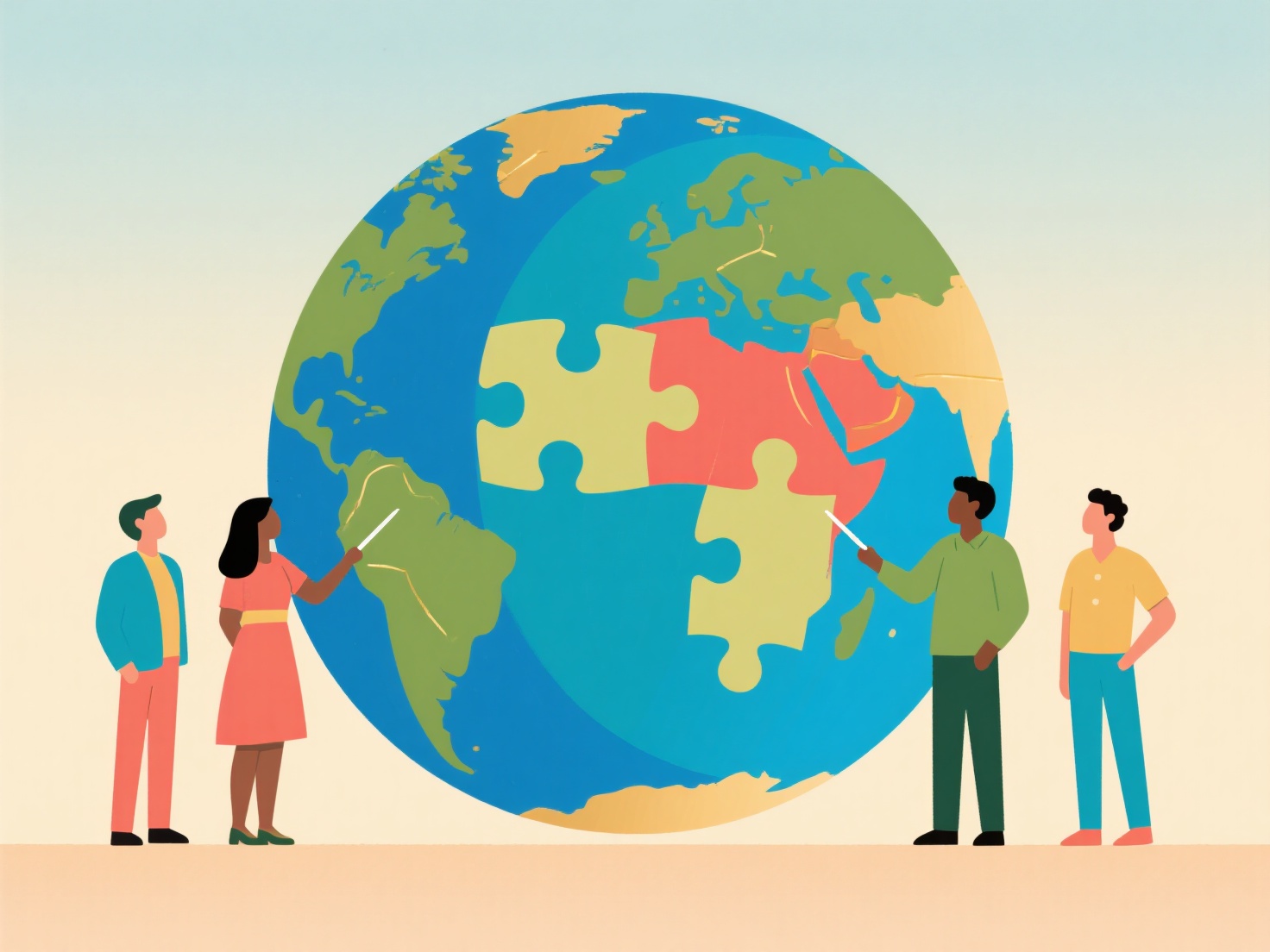
Communicating research for an international context requires adapting your terminology, providing necessary local background information, and emphasizing the global implications of your findings. When you share your work beyond your home country, you are speaking to scholars with different cultural frameworks, educational backgrounds, and primary languages.
To ensure your research resonates globally and overcomes cross-cultural communication barriers, follow these practical steps.
1. Frame Findings with Global Relevance
A common mistake in academic writing is assuming your local context is universally understood. When writing your introduction and discussion sections, explicitly state how your specific field study applies to broader global challenges. Ask yourself: Why should a researcher on another continent care about these results? Connect your local data to international trends, global policies, or universal theoretical frameworks.
2. Simplify Language and Avoid Local Jargon
Academic jargon is hard enough to digest, but local idioms, culturally specific metaphors, and region-specific acronyms can completely alienate an international audience. Use clear, plain English and always define acronyms at their first use. If you are struggling to adapt complex academic language for a broader audience, using tools like WisPaper's AI Copilot can help by translating full papers or seamlessly rewriting dense sections into accessible blog posts to share with a global network.
3. Provide Sufficient Context
What is common knowledge in your region might be entirely foreign elsewhere. If your research relies on specific governmental policies, local educational systems, or regional historical events, provide a brief, objective summary of that context. Never assume your reader knows the intricacies of your local environment, even if they are experts in your specific field.
4. Leverage Visual Communication
Data visualizations, charts, and infographics transcend language barriers. A well-designed graph can communicate your core findings much faster than paragraphs of translated text. When presenting at international conferences or publishing in global journals, ensure your visuals are clearly labeled, use universally recognized symbols, and rely on color palettes that are accessible to all readers.
5. Choose the Right Dissemination Channels
To reach an international audience, target open-access journals with a global readership or submit abstracts to international conferences. Additionally, consider sharing your findings on global academic networks or social media platforms. Engaging in cross-cultural scientific communication online helps you build an international network, facilitates international collaboration, and ensures your research achieves maximum impact worldwide.