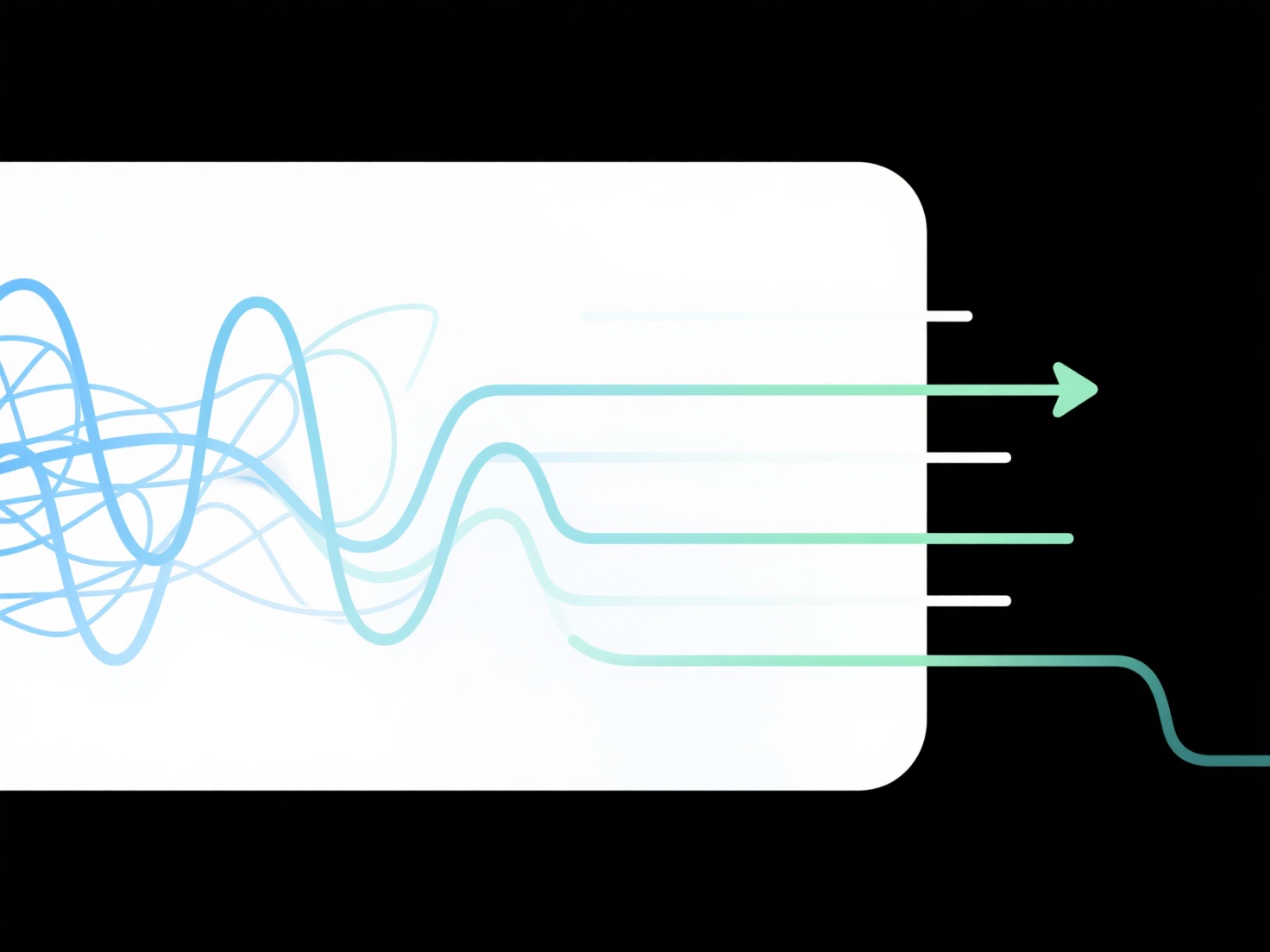
To draft interview transcripts for better clarity, you should choose a specific transcription style, apply consistent formatting for different speakers, insert regular timestamps, and edit out distracting filler words while preserving the core meaning.
Whether you are conducting qualitative research, gathering case study data, or preparing for thematic analysis, a messy transcript can slow down your entire workflow. Here is a practical guide to creating clean, readable, and highly useful interview transcripts.
Choose the Right Transcription Style
Before you start typing or running audio through a generator, decide how much detail your research actually requires.
- Strict Verbatim: Captures every single utterance, including "um," "uh," stutters, and false starts. This is essential for psychological or discourse analysis but can be incredibly difficult to read.
- Clean Verbatim (Intelligent Verbatim): Removes filler words, repetitive tics, and background noise while keeping the exact meaning of the participant's words intact. For most academic research, clean verbatim offers the best balance of accuracy and clarity.
Establish Consistent Formatting
Visual clarity is just as important as the text itself. Use clear, bolded speaker tags (e.g., Interviewer: and Participant 1:) to differentiate who is talking. Always start a new paragraph when the speaker changes. Breaking up long, rambling responses into smaller, digestible paragraphs will make the text much easier to code and analyze later.
Use Timestamps and Non-Verbal Tags
Timestamps are your best friend when you need to revisit the original audio. Insert them at regular intervals (e.g., every five minutes) or whenever there is a muffled section, formatting them clearly like [00:15:30 - inaudible]. Additionally, use bracketed tags to note important non-verbal cues, such as [laughs] or [long pause], which can provide crucial context to a participant's written answer that might otherwise be lost in text.
Organize for Qualitative Analysis
Once your transcription is complete, do a final read-through while listening to the audio on a faster speed to catch any lingering typos or misheard words. As you build up a collection of interview documents, keeping them organized is vital for your data analysis phase. Instead of losing track of your files in messy desktop folders, you can use WisPaper's My Library to organize your documents and directly chat with your uploaded transcripts via AI, helping you instantly pull out specific quotes, summarize long responses, and identify recurring research themes.
By standardizing your drafting process, you will spend less time deciphering messy text and more time uncovering meaningful insights from your research data.