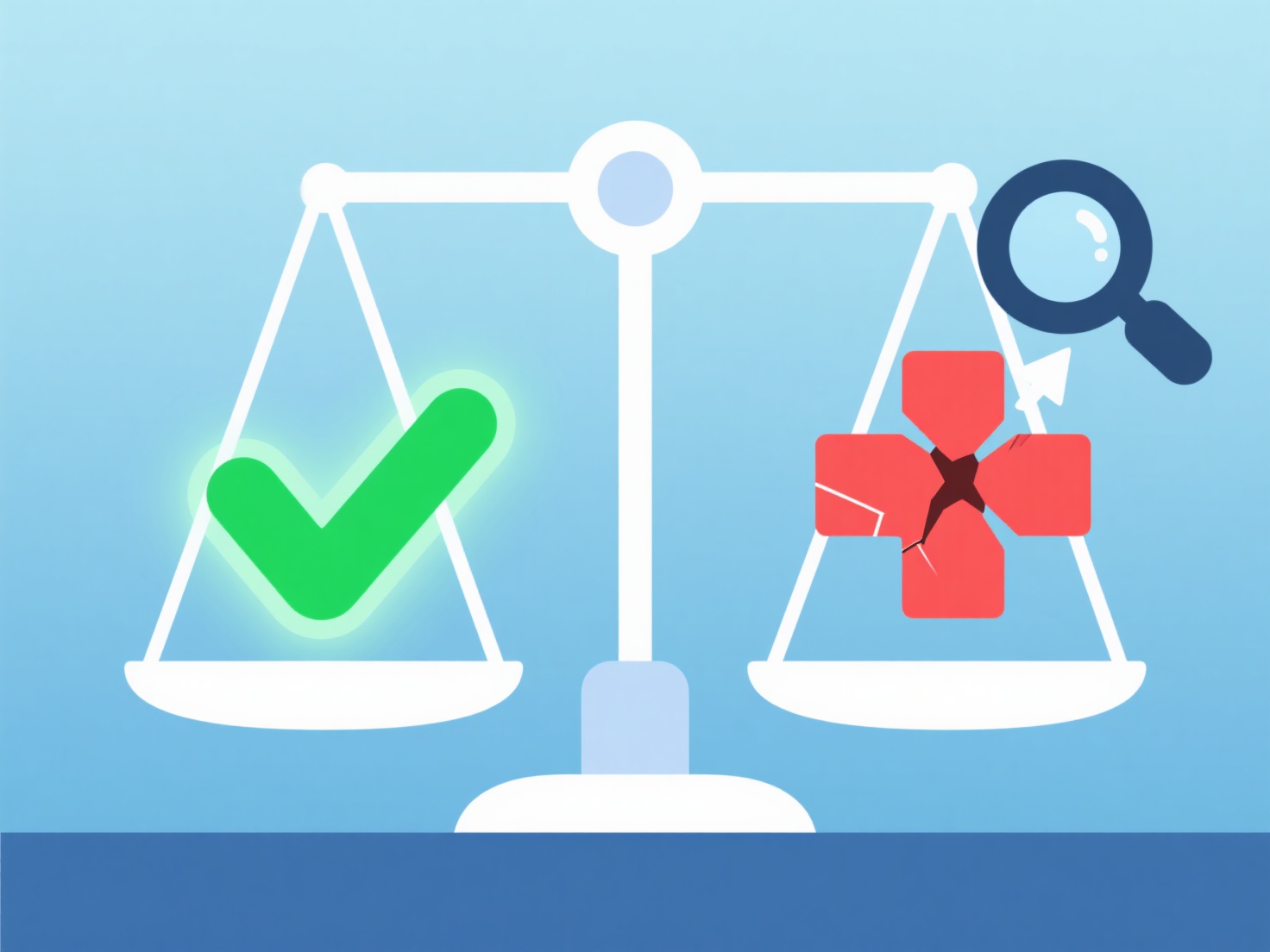
To evaluate misinformation and avoid errors in your research, you must critically assess the source's credibility, rigorously verify the methodology used, and cross-check all claims against established peer-reviewed literature.
In the modern academic landscape, researchers face an overwhelming amount of data. It has become increasingly easy for flawed studies, predatory journals, or AI-hallucinated facts to slip into literature reviews. Protecting the integrity of your work requires a systematic approach to evaluating every piece of information you encounter.
1. Investigate the Source and Authors
Before diving into the data, evaluate where the information is coming from. Check the authors' credentials, past publications, and institutional affiliations to ensure they have expertise in the specific subject area. Additionally, verify the publication venue. Is it a reputable, peer-reviewed journal with a rigorous editorial process, or does it show red flags common to predatory publishers, such as guaranteed rapid publication for a high fee?
2. Verify Citations and References
Misinformation often hides behind dense, legitimate-looking reference lists. It is crucial to check whether the cited papers actually exist and if they genuinely support the author's claims. Because manually checking every reference is tedious, tools can help; for example, WisPaper's TrueCite automatically finds and verifies citations, eliminating the risk of relying on hallucinated references or fake sources. Always ensure the foundational literature holding up a paper's argument is solid.
3. Scrutinize the Methodology
A study's conclusion is only as strong as its research design. Look closely at how the data was collected and analyzed. Watch out for common methodological flaws such as extremely small sample sizes, lack of control groups, cherry-picked data, or undisclosed conflicts of interest. Reliable, high-quality research is always transparent about its limitations and potential biases.
4. Cross-Reference with Scientific Consensus
Does the paper make an extraordinary claim that contradicts decades of established research? While paradigm-shifting discoveries do happen, exceptional claims require exceptional evidence. Compare the findings with systematic reviews, meta-analyses, or highly cited foundational papers in your field. Understanding where a specific claim sits within the broader academic conversation helps you identify whether a paper is a genuine breakthrough or unsupported fringe science.
5. Check for Bias and Tone
Academic writing should remain objective and measured. If an article relies heavily on sensationalism, emotionally charged language, or definitive buzzwords—such as claiming a single study "proves" a complex phenomenon rather than "suggests" a correlation—it warrants deep skepticism. Misinformation often relies on emotional manipulation rather than factual accuracy to persuade the reader.