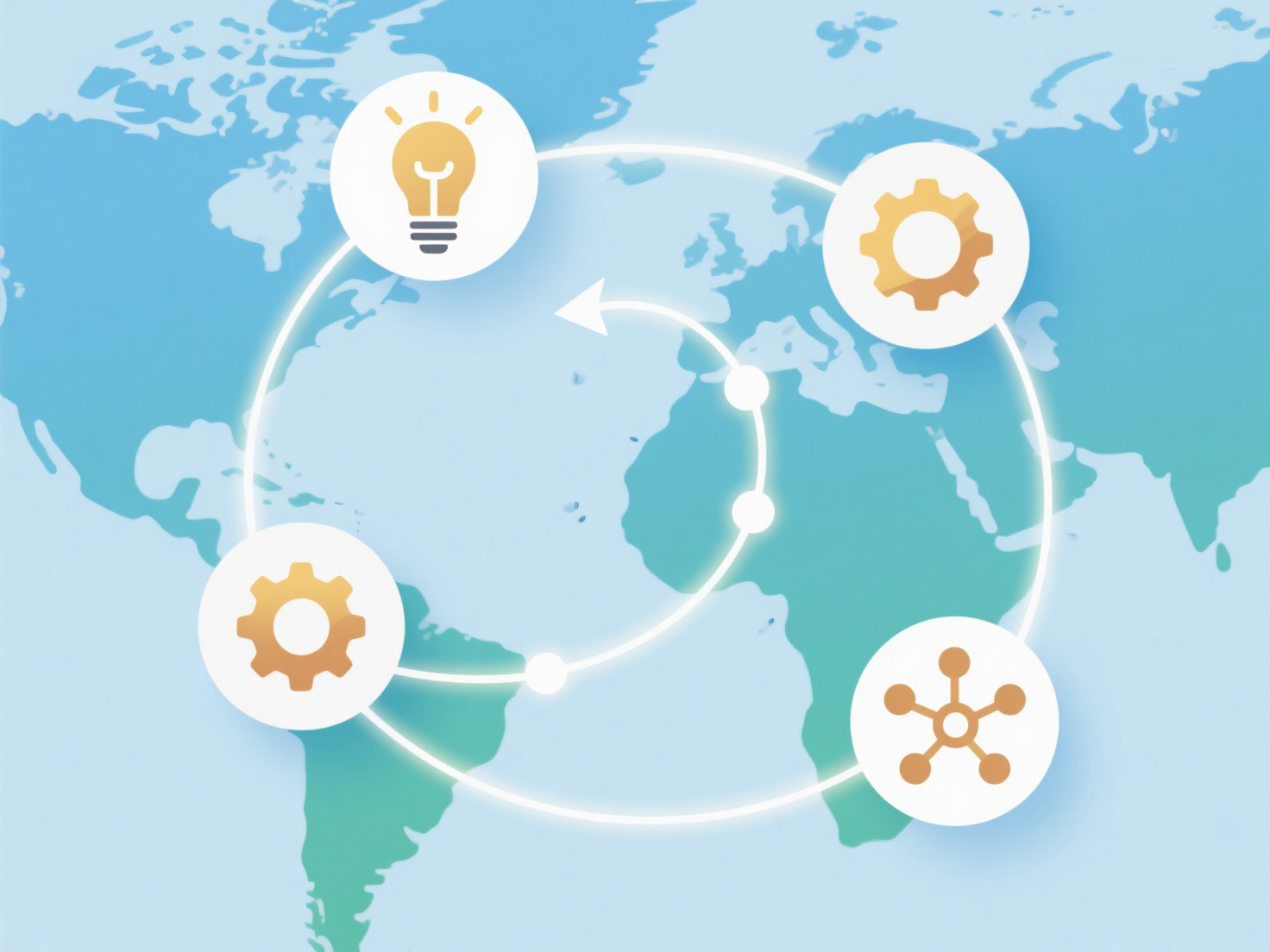
To find research partners in other countries, you should actively network at international conferences, engage on academic platforms, and identify authors publishing recent literature in your specific niche.
Building an international collaboration network can significantly elevate your academic career, open up new funding opportunities, and bring diverse perspectives to your work. Here is a practical guide to finding and connecting with global co-authors.
Attend International Conferences
Presenting at international academic conferences is one of the most effective ways to build global connections. While presenting your own research is important, the real networking happens during poster sessions, Q&A panels, and coffee breaks. Make a list of international scholars attending the event and proactively introduce yourself to discuss shared research interests.
Identify Authors in the Literature
Your next great collaborator is likely already publishing papers in your exact subfield. By reviewing recent literature, you can identify active scholars working in different countries. To avoid getting overwhelmed by irrelevant results, you can use WisPaper’s Scholar Search, which understands your underlying research intent to filter out 90% of the noise, helping you quickly pinpoint international researchers publishing highly relevant work. Once you find a paper that aligns with your goals, look up the corresponding author's institutional affiliation.
Leverage Academic Social Networks
Digital networking bridges geographical gaps instantly. Platforms like ResearchGate, LinkedIn, and academic communities on X (formerly Twitter) or Mastodon are excellent for finding collaborators. Follow international researchers in your discipline, read their preprints, and leave thoughtful comments on their updates. Engaging with their work publicly builds familiarity, making them much more receptive when you eventually reach out privately.
Explore Institutional Partnerships and Grants
Many universities have established memorandums of understanding (MOUs) with international institutions. Check with your university’s global relations or research office to see if there are existing pathways or seed funding for cross-border projects. Additionally, large-scale funding frameworks—like Horizon Europe or various international fellowship programs—often require multi-country teams and provide dedicated matchmaking portals to help researchers find global partners.
Send a Targeted Cold Email
When you are ready to reach out to a potential international partner, your initial email must be concise, professional, and mutually beneficial.
- Be specific: Mention a recent paper they wrote and explain exactly why you are contacting them.
- Propose a clear idea: Don't just ask to "collaborate." Suggest a specific, low-commitment starting point, such as co-authoring a review paper, sharing a unique dataset, or running a comparative analysis between your two countries.
- Acknowledge logistics: Briefly mention that you are open to asynchronous communication or flexible meeting times to accommodate different time zones.