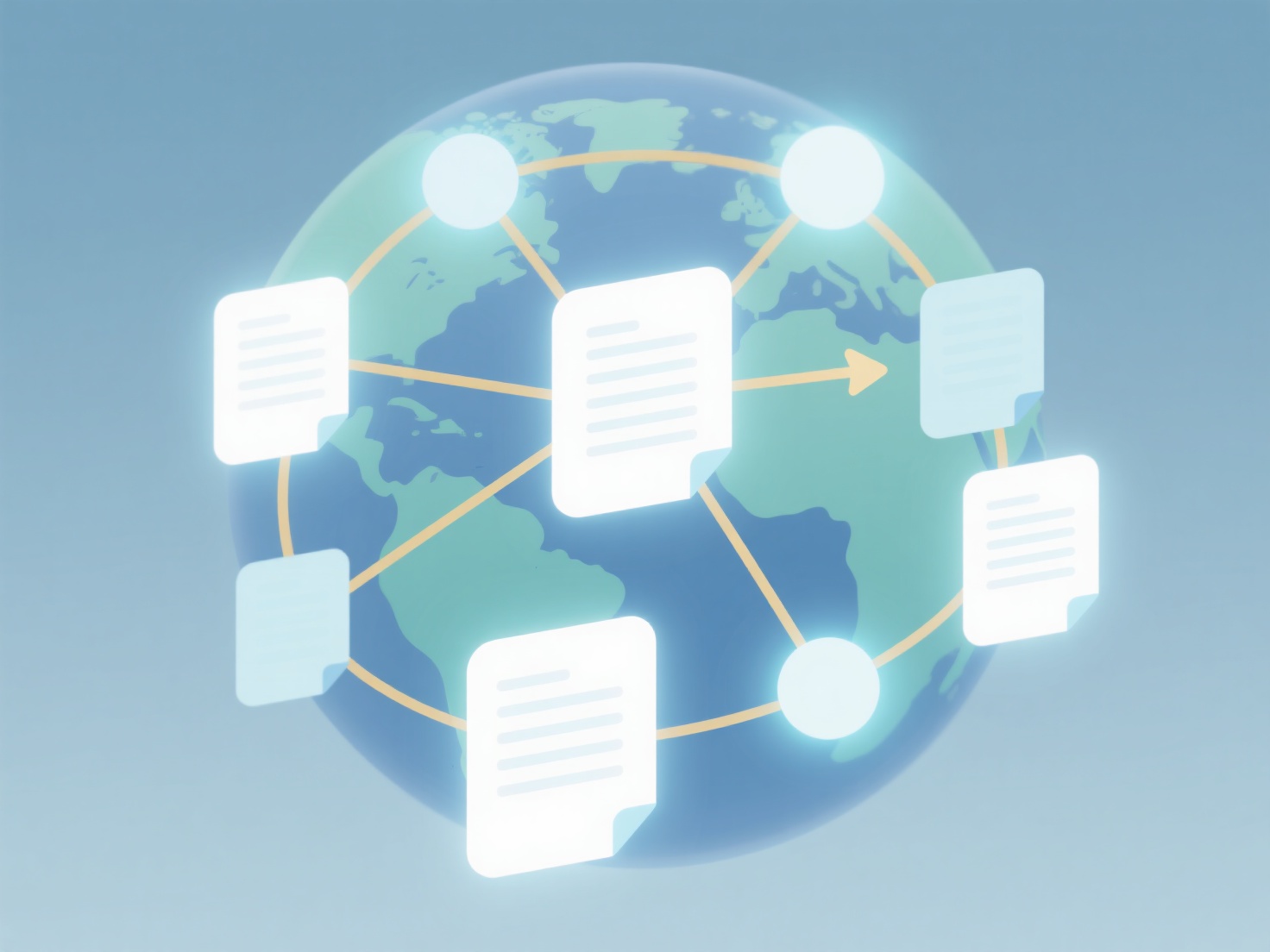
To effectively interpret international research papers and foster global collaboration, you must contextualize regional findings, overcome language barriers, and identify shared research goals before reaching out to the authors. Reading cross-border literature is one of the best ways to expand your academic network, discover novel methodologies, and build impactful joint studies.
Break Down Language and Structural Barriers
International journals often feature unique academic writing styles or are published in languages you might not speak natively. If you are struggling to parse a foreign text, WisPaper's AI Copilot can translate full papers and rewrite complex sections into easy-to-understand summaries, ensuring you never miss critical insights. Focus on accurately extracting the core hypothesis, experimental design, and primary outcomes rather than getting bogged down by unfamiliar phrasing or complex jargon.
Contextualize the Regional Scope
Research is rarely conducted in a vacuum. When reviewing global research papers, pay close attention to the sample demographics, local regulatory constraints, and cultural contexts that influenced the study. Ask yourself how these regional variables differ from your own academic environment. Grasping these local nuances allows you to easily propose cross-cultural comparative studies, which are highly sought after in international grant applications and top-tier journals.
Pinpoint Methodological Synergies
To find a genuine reason to collaborate, look closely at the "Limitations" and "Future Research" sections of the manuscript. This is where international authors explicitly state the research gaps they couldn't fill. If your lab possesses the specific equipment, longitudinal datasets, or analytical expertise to solve the problems they highlighted, you have found the perfect foundation for a collaborative project. Additionally, review their bibliography to see if you share foundational literature, which helps establish immediate academic common ground.
Craft a Meaningful Outreach Strategy
Once you have thoroughly analyzed the paper, use your insights to contact the corresponding author. Avoid sending a generic networking message. Instead, reference a specific, nuanced finding from their text in your opening. Briefly explain how your current project aligns with their methodology and propose a low-pressure virtual meeting to discuss potential data sharing or joint publications. When you show that you have deeply understood and valued their work, international researchers are much more likely to welcome a long-term partnership.