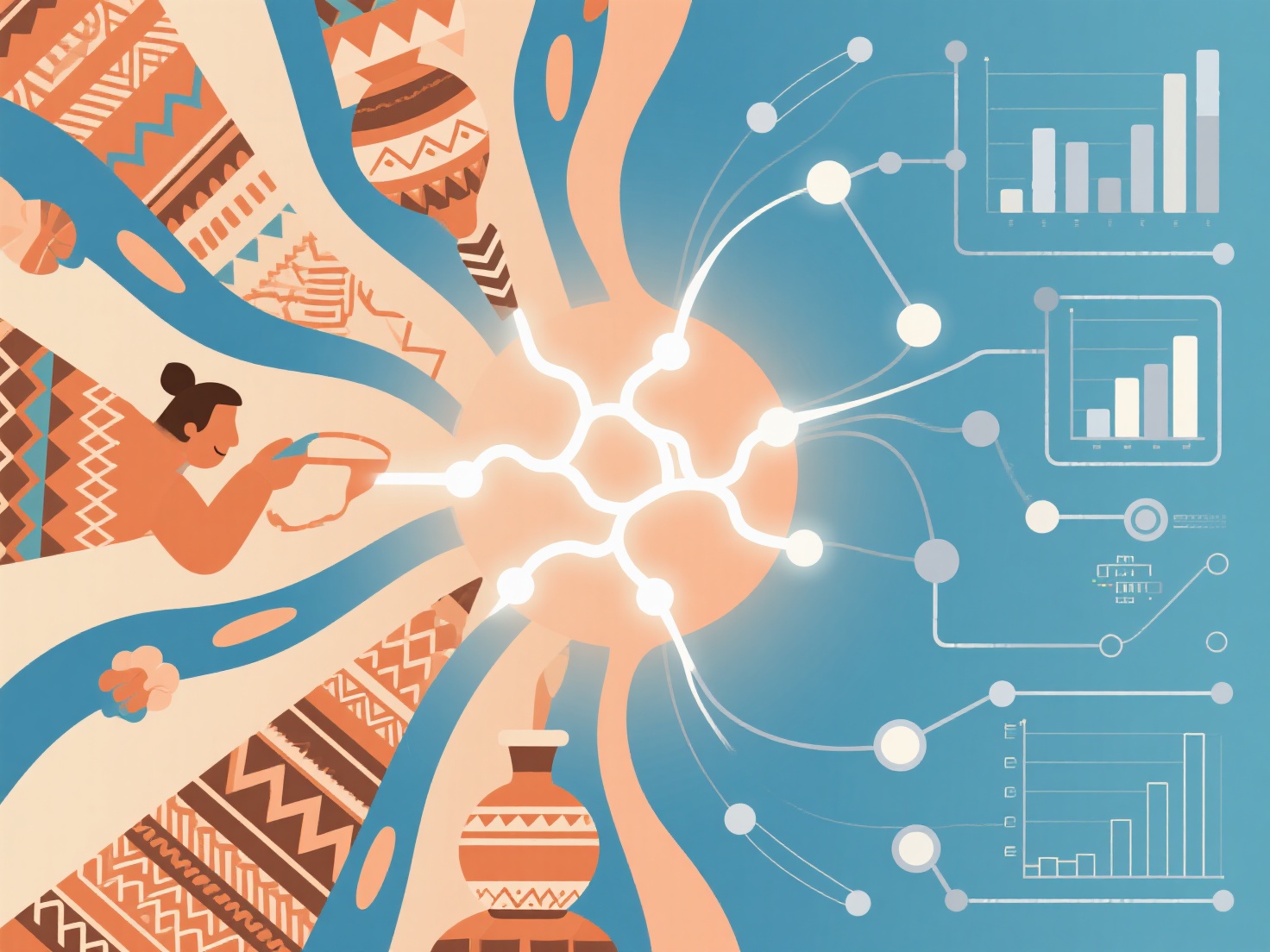
You can successfully publish cultural nuances in research using AI tools by utilizing them to accurately translate non-English literature, analyze context-specific data, and polish your manuscript while preserving its original cultural meaning.
Capturing the subtle complexities of a specific culture in academic publishing is challenging, especially when translating local concepts into standard academic English. Fortunately, artificial intelligence can act as a bridge rather than a barrier if used strategically throughout your research process.
1. Deepen Your Literature Review with Local Sources
To accurately represent a culture, you must build your foundation on local research, which is often published in native languages rather than English. Instead of skipping these vital sources, you can use WisPaper's AI Copilot to translate full foreign papers, allowing you to seamlessly read and integrate non-Western perspectives and local contexts into your cross-cultural research. By understanding the original literature, you avoid relying solely on outside interpretations of a culture.
2. Prompt AI for Cultural Context in Data Analysis
When analyzing qualitative data like interviews, focus groups, or ethnographies, standard AI prompts might strip away local idioms or cultural markers. To prevent this, give the AI highly specific instructions. Ask it to "identify recurring cultural themes," "preserve local idioms," or "explain the sociopolitical context of these statements." This ensures your data analysis retains its original depth and doesn't get flattened into generic, Western-centric categories.
3. Refine Academic Writing Without Erasing Nuance
Many early-career researchers and non-native English speakers use AI to polish their manuscripts for peer review. However, over-editing can erase the unique cultural voice or specific terminology vital to your study. When using AI writing assistants, use careful prompts such as, "Edit for academic clarity and grammar, but maintain the original cultural terminology, indigenous terms, and tone." This helps you meet high academic publishing standards while keeping your culturally specific concepts intact.
4. Actively Mitigate AI Bias
Most mainstream AI models are trained heavily on Western data, which can introduce bias when interpreting non-Western cultural nuances. Always critically evaluate AI-generated insights against your own expertise and local knowledge. Treat AI as a sounding board, a structural editor, or a translation assistant, but ensure the final interpretation of cultural norms, values, and practices comes directly from human researchers who understand the lived experience of the community.