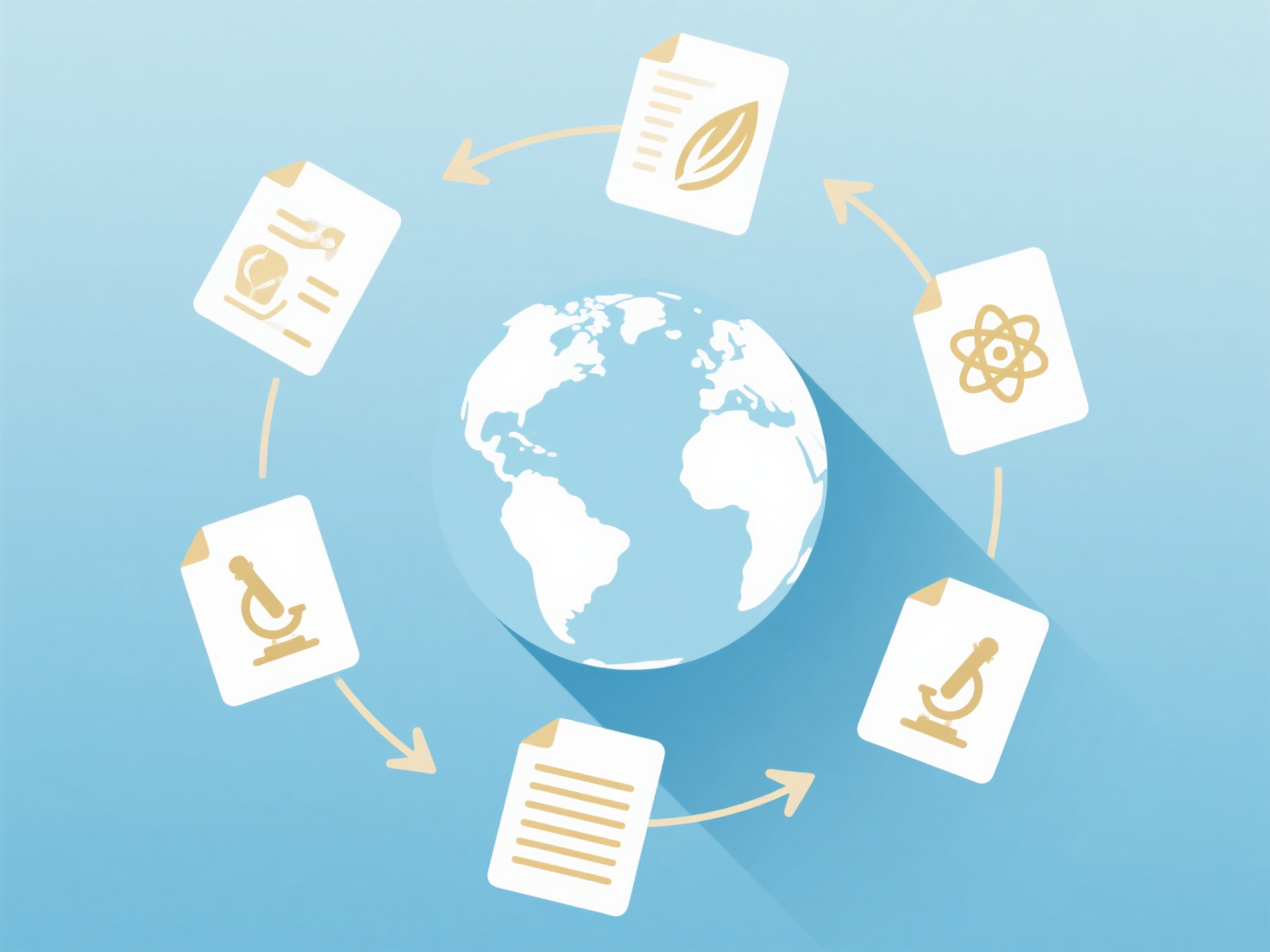
To publish research for international contexts, you must frame your local findings within global themes, select a globally recognized journal, and ensure your methodology and literature review resonate with an international audience. Expanding your research beyond a regional focus not only increases your citation potential but also significantly boosts your overall academic impact.
Here are the key strategies to effectively prepare and submit your manuscript for a global readership.
1. Connect Local Data to Global Issues
International journals want to know why your study matters outside your specific country or region. Avoid assuming the reader understands your local political, cultural, or economic context. Instead, clearly explain these background details and explicitly state how your specific findings contribute to broader theoretical frameworks. Frame your local case study as a solution or an example of a universal problem to instantly broaden its appeal.
2. Conduct a Global Literature Review
Your reference list must reflect a broad, international perspective. Citing only local authors or regional publications signals to editors that your paper might lack global relevance. Make sure to integrate studies from various regions to show how your work fits into the worldwide academic conversation. If you encounter language barriers while gathering diverse sources, WisPaper's AI Copilot can translate full foreign papers and rewrite complex sections into easy-to-understand notes, helping you seamlessly incorporate global perspectives without struggling through translation.
3. Choose the Right International Journal
Not all journals reach a global audience. When evaluating where to submit, look for publications with an international editorial board and a geographically diverse readership. Carefully read the "Aims and Scope" section on the journal's website to ensure they actively seek cross-cultural or globally applicable research. While metrics like the impact factor are important, prioritizing a journal whose audience aligns with your research goals will greatly increase your chances of passing peer review.
4. Ensure Clear and Accessible Language
Writing for an international audience means your academic writing should be clear, concise, and free of regional idioms or slang. Define any region-specific terms, local policies, or cultural nuances immediately so reviewers and readers worldwide can fully grasp your methodology and results. If English is not your first language, consider collaborating with a native speaker or using professional academic editing services to polish your manuscript before submission, ensuring your core message is never lost in translation.