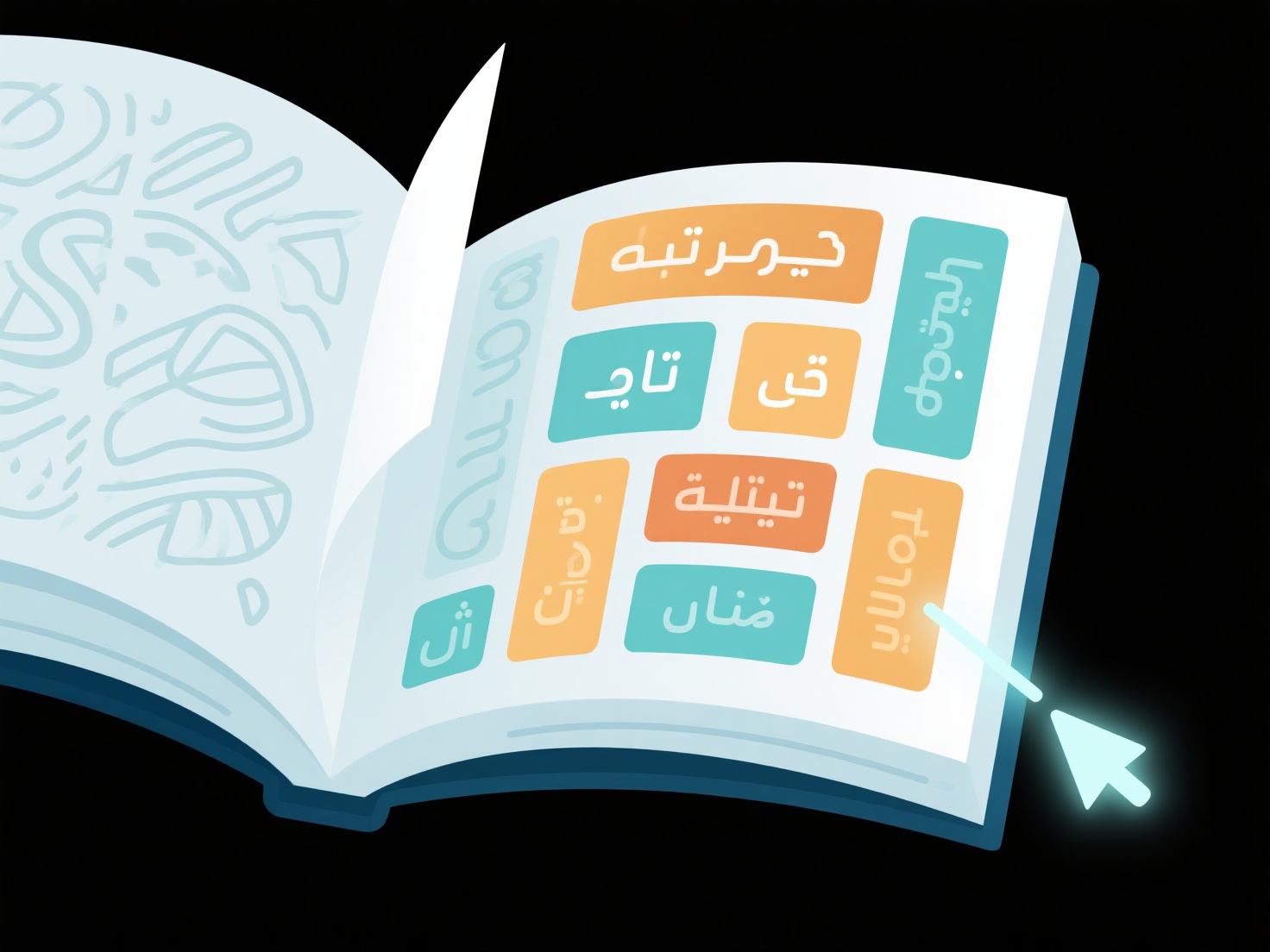
To translate non-English academic sources effectively, you should use specialized AI translation tools or browser extensions that preserve the original document's formatting and technical terminology.
Finding a highly relevant research paper only to realize it is written in a language you don't speak is a common hurdle in literature reviews. General translation apps often struggle with complex academic jargon, resulting in confusing or inaccurate text. Fortunately, a few strategic approaches can help you bridge the language gap without losing the scientific context.
1. Use Academic-Focused AI Translators
When dealing with full PDF documents, standard tools often break the formatting, scrambling charts, footnotes, and two-column layouts. Instead, opt for tools designed specifically for academic reading. For instance, WisPaper's AI Copilot translates full papers while maintaining their original structure, and can even rewrite complex foreign studies into easy-to-understand summaries. This ensures you grasp the core methodology and results without getting bogged down by literal, clunky translations.
2. Translate Abstracts and Conclusions First
Before investing time into translating a 20-page document, verify its actual relevance to your work. Copy the abstract and conclusion into a reliable, context-aware tool like DeepL, which tends to handle academic nuance better than basic web translators. If the translated abstract aligns with your research question, you can confidently proceed with processing the entire manuscript.
3. Leverage Browser Extensions for Web Sources
If you are reading open-access journals, HTML articles, or university repositories directly in your browser, translation extensions are invaluable. Tools like Google Translate or ImTranslator allow you to highlight specific paragraphs and view translations in real-time. This is particularly useful for quickly scanning foreign literature during the early stages of your research to filter out irrelevant results.
4. Build a Bilingual Technical Glossary
Automated translation can sometimes misinterpret highly specific terminology in fields like medicine, law, or engineering. To avoid misinterpreting data, keep a running list of key terms in your discipline in both English and the source language. When reading a translated paper, cross-reference these terms to ensure the software hasn't altered the fundamental meaning of the research variables, formulas, or theoretical frameworks.
5. Review the Visuals and Citations
Even if a translation feels slightly awkward, you can often deduce the author's main points by examining the universal elements of a research paper. Data tables, graphs, chemical structures, and mathematical equations rarely need translation. Additionally, reviewing the English-language sources in the paper's bibliography can provide excellent clues about the theoretical foundation of the non-English text.