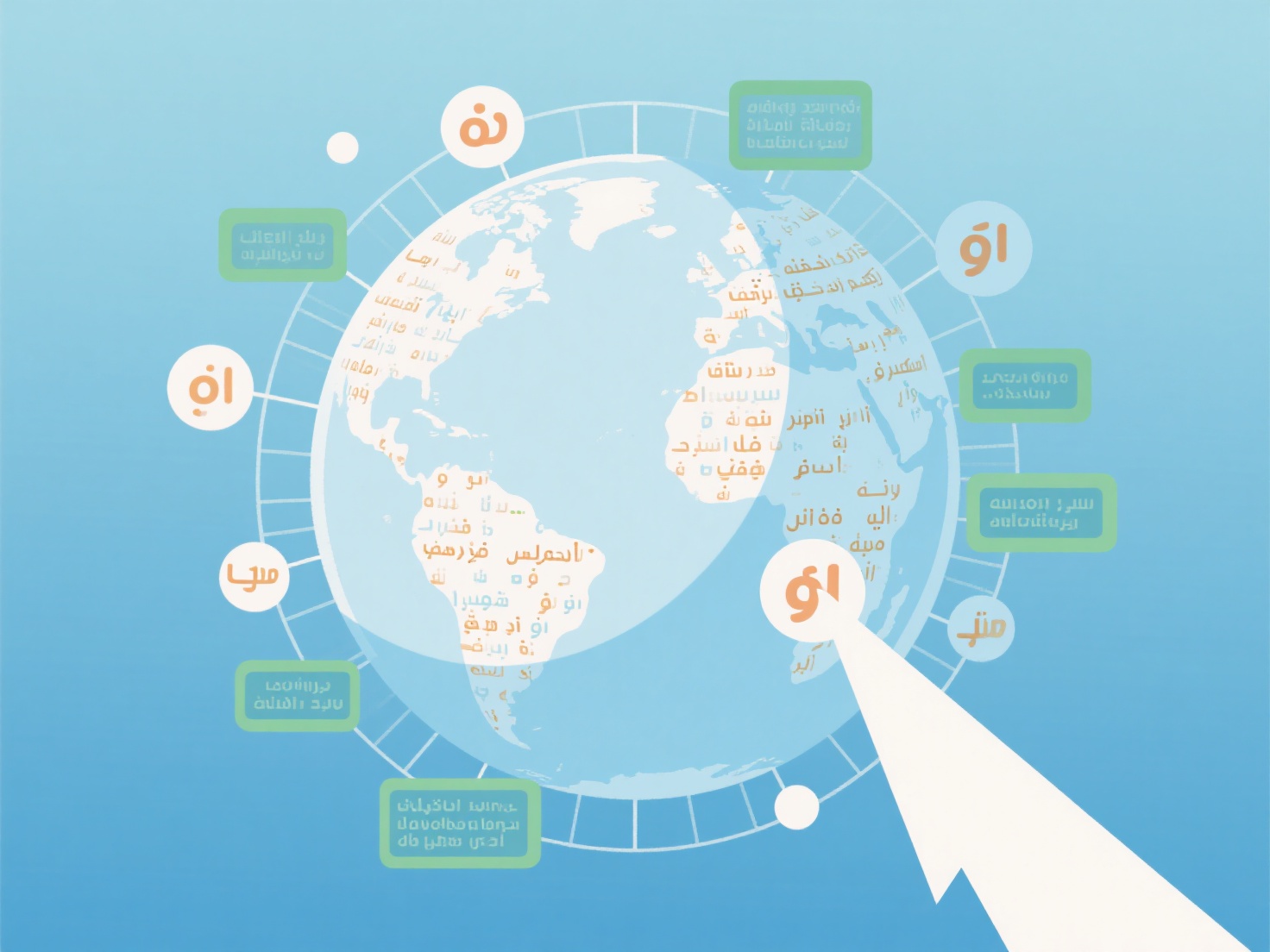
To use foreign language databases for grant applications, you must identify relevant international repositories, translate your search keywords accurately, and extract unique global data to strengthen your proposal's literature review. Incorporating international research demonstrates to funding agencies that you have a comprehensive understanding of your field's global landscape and ensures you aren't duplicating existing work.
Why Search Beyond English Databases?
Most researchers limit their literature search to English-only platforms. By exploring foreign language databases, you can uncover novel methodologies, access unique regional datasets, and identify research gaps that English-centric studies have missed. This comprehensive perspective makes your grant application stand out to reviewers as highly thorough and globally informed.
Steps to Leverage Foreign Databases
1. Identify Relevant Regional Databases
Depending on your field, certain countries may lead the research. Find the primary academic search engines for those regions. For example, you might use CNKI for Chinese literature, SciELO for Latin American and Caribbean research, J-STAGE for Japanese studies, or Cairn.info for French humanities and social sciences.
2. Translate Your Search Terms Accurately
Direct, literal translations of technical jargon often fail in academic databases. Use subject-specific glossaries or consult bilingual review papers to find the exact terminology used by local researchers. Build a list of these translated keywords and combine them using standard Boolean operators (AND, OR, NOT), which function universally across almost all academic search engines.
3. Efficiently Translate and Analyze Papers
Once you locate relevant studies, the biggest hurdle is comprehending the full text without losing academic nuance. Instead of relying on basic web translators that struggle with complex formatting, you can use tools like WisPaper's AI Copilot, which translates full papers while preserving the layout and can even summarize complex foreign methodologies into easy-to-understand notes. This ensures you accurately interpret the data before staking a grant claim on it.
4. Integrate and Cite the Findings
When writing your grant proposal, explicitly mention how this international research shapes your project. Did a study in Germany successfully use a technique you plan to adapt? Highlight this to prove feasibility. When adding these papers to your reference list, follow your specific citation style guidelines (such as APA or MLA), which typically require providing the original foreign language title followed by the translated English title in brackets.
By systematically searching and translating international literature, you build a more robust grant application that proves the true novelty and necessity of your proposed research.