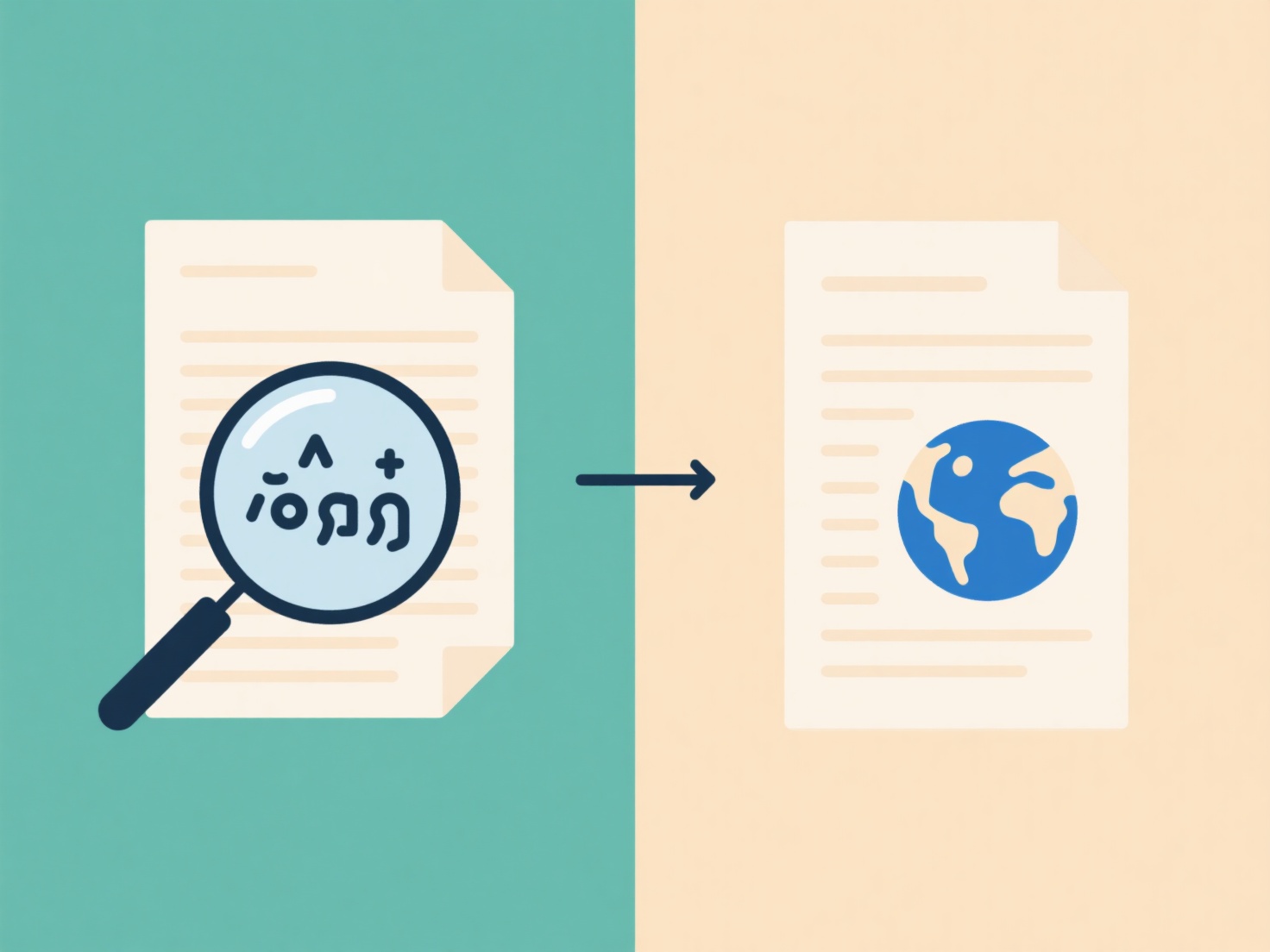
To use non-English sources without errors, you must rely on accurate academic translations, verify the original context of the findings, and properly format the citations according to your style guide.
Incorporating foreign literature into your research is an excellent way to eliminate language bias and discover global perspectives, but it requires careful handling to maintain academic integrity. Here is how to effectively use international research in your work.
1. Secure an Accurate Academic Translation
Standard machine translation tools often struggle with field-specific jargon, leading to critical misunderstandings in your literature review. Instead of wrestling with clunky, literal translations, you can use WisPaper's AI Copilot to seamlessly translate full papers while preserving complex academic terminology and document formatting. This ensures you understand the exact methodology and results without misinterpreting the core data of the study.
2. Preserve the Original Context and Nuance
Words rarely map perfectly from one language to another. When conducting cross-cultural research, pay close attention to how key concepts are defined. A term used in a foreign sociological study might carry a different historical weight than its closest English equivalent. Always look at how the original authors operationalized their variables to ensure you aren't accidentally twisting their claims to fit your own narrative.
3. Format Your Citations Correctly
When referencing translated sources, your bibliography must clearly indicate that the original text is in a different language. In the APA citation style, you should provide the author, the publication year, and the original foreign-language title, followed immediately by the English translation enclosed in square brackets. For example: Original foreign title [Translated English title]. If you are using an officially published translation of a book or article, remember to credit the translator in your reference list as well.
4. Verify Crucial Data Points
If a non-English paper is foundational to your thesis or dissertation, do not rely solely on automated text translations for the most critical sections. Take the time to manually verify data tables, charts, and statistical models. Numbers and mathematical symbols can sometimes be formatted differently across regions, such as using commas instead of decimal points. Whenever possible, consult a native-speaking peer or subject matter expert to double-check the nuances of the paper's conclusion before citing it as a primary pillar of your research.