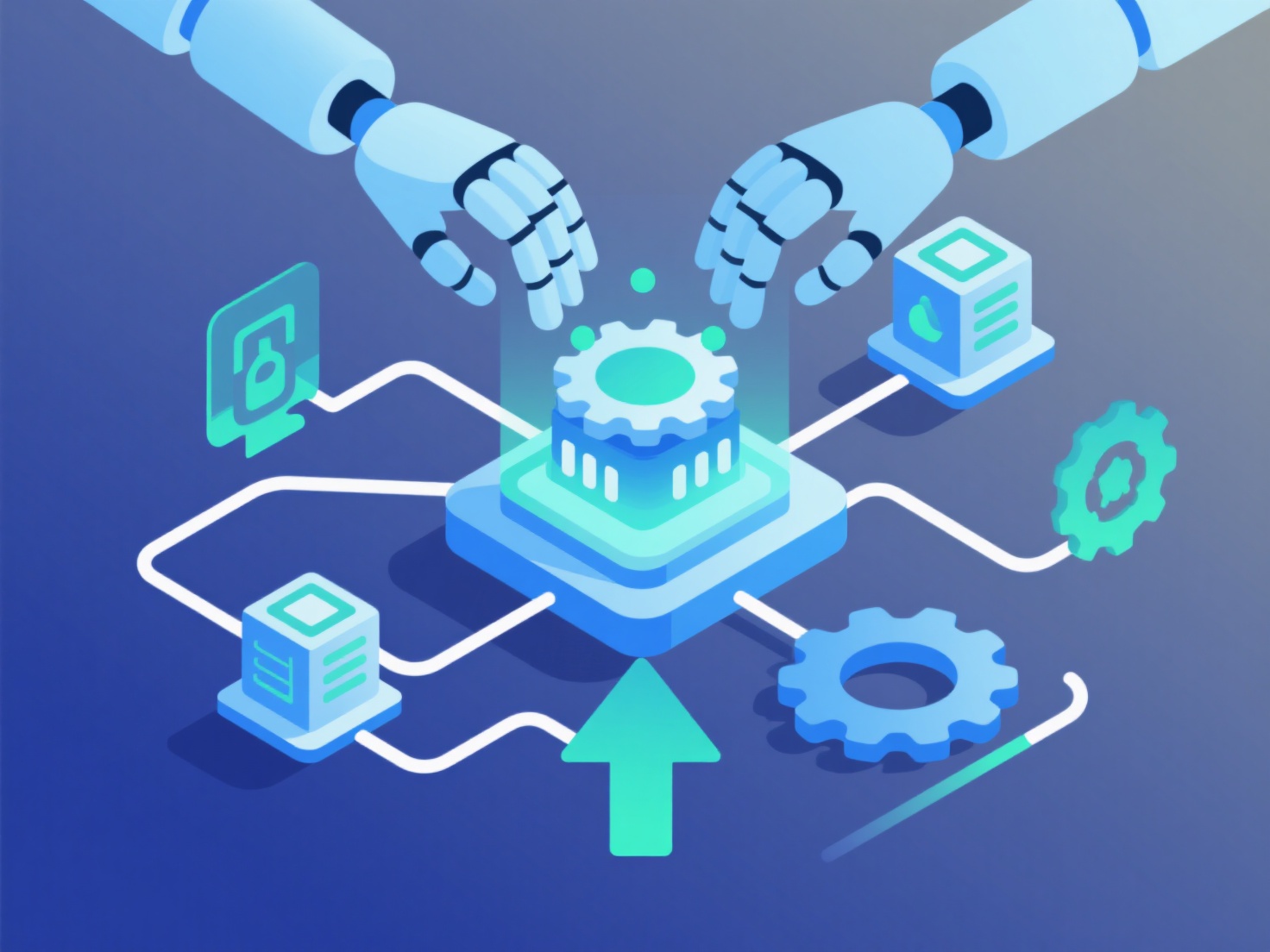
To automate data collection and eliminate repetitive tasks, you can use a combination of no-code integration tools, web scraping software, and simple programming scripts to automatically gather, format, and store information without manual data entry.
For researchers, spending hours copying and pasting data or repeatedly checking databases for updates is a massive drain on productivity. By setting up automated workflows, you can reduce human error and free up your time for actual data analysis and writing.
Here are the most effective ways to automate your data collection process:
1. Connect Apps with No-Code Integration Tools
If your research involves collecting data through online surveys, forms, or multiple software platforms, no-code tools like Zapier or Make are invaluable. These platforms act as bridges between your apps. For example, you can set up a "trigger" so that every time a participant submits a Qualtrics or Google Form, the data is automatically cleaned and routed directly into your master Google Sheet or Airtable database.
2. Use Web Scraping for Online Data
When you need to extract large amounts of information from websites—such as pricing data, public records, or social media posts—web scraping is the answer.
- No-code scrapers: Tools like ParseHub or Octoparse allow you to point and click on website elements you want to extract, automatically downloading the data into a CSV file.
- Custom scripts: If you have basic programming knowledge, writing a short Python script using libraries like BeautifulSoup or Selenium allows you to build custom, scheduled data extraction bots tailored to your exact project needs.
3. Tap into Public APIs
An API (Application Programming Interface) allows two software systems to talk to each other directly. Many government databases, social media platforms, and academic repositories offer free APIs. Instead of manually downloading datasets every month, you can use a simple script to ping the API and automatically pull the latest dataset directly into your statistical software (like R or Python) on a set schedule.
4. Automate Literature Collection
Data collection isn't just about numbers; it also includes gathering background literature. When your research requires staying on top of the latest publications, manual literature searches quickly become a repetitive chore. Instead of running the same keyword queries every week, you can use WisPaper's AI Feeds to get a daily push of new papers matching your specific research interests, completely automating your literature tracking.
By investing a little time upfront to set up these automated pipelines, you can build a hands-off data collection system that runs quietly in the background while you focus on your core research.