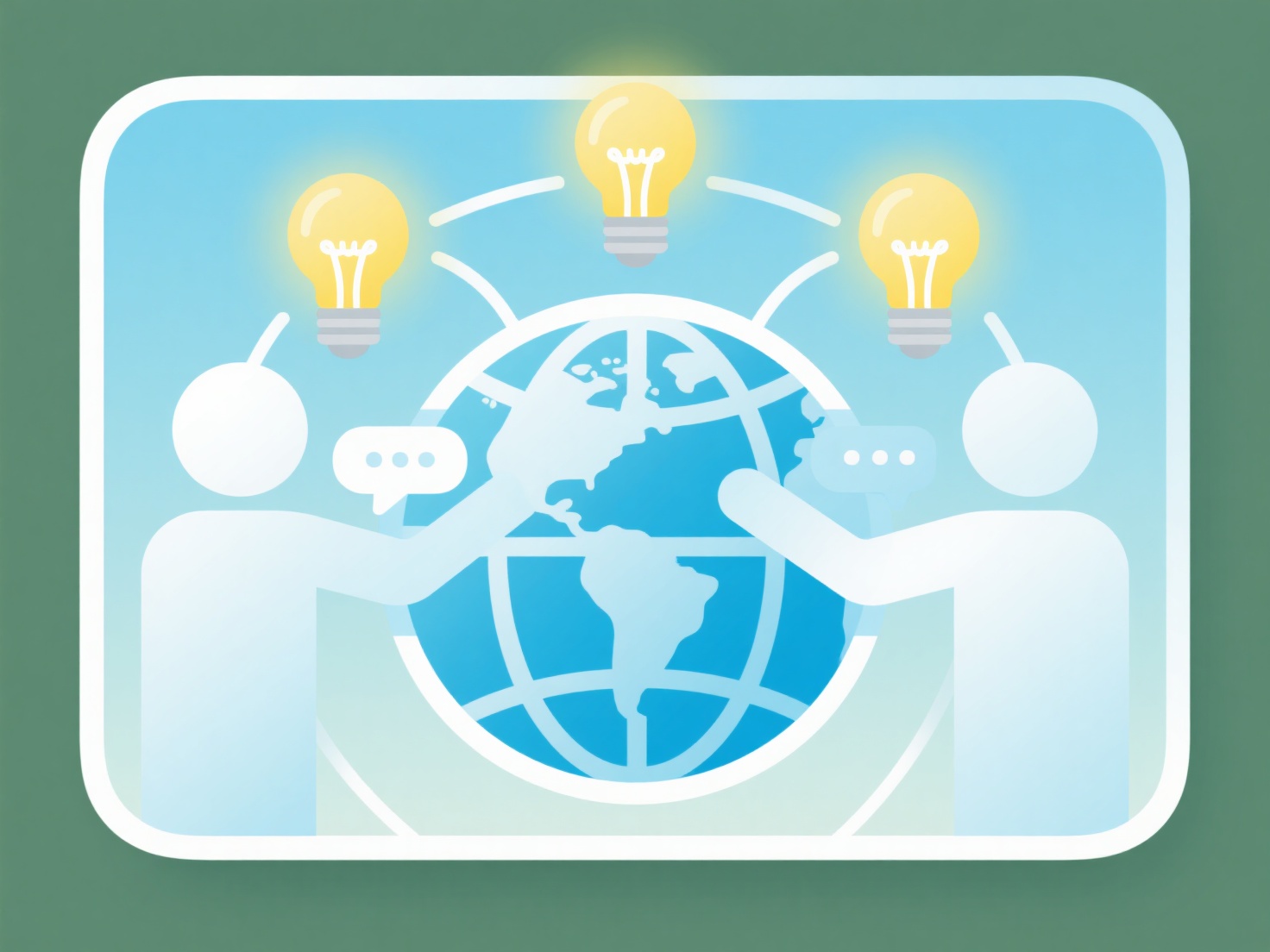
Collaborating effectively across language barriers as a non-native speaker requires establishing clear communication norms, prioritizing written formats, and utilizing AI translation tools to ensure mutual understanding.
International research collaboration is a cornerstone of modern academia, but navigating cross-cultural communication can be challenging. By adopting a few strategic practices, you can turn language differences from a hurdle into an opportunity for diverse, global perspectives.
Prioritize Written and Asynchronous Communication
Spoken language in real-time meetings can be difficult to process due to varying accents, speaking speeds, and dense academic jargon. Whenever possible, rely heavily on asynchronous written communication like shared documents, emails, or project management apps. Written text gives non-native English speakers the time they need to read carefully, look up unfamiliar terms, and draft clear, accurate responses. If you must have a live video call, always send a written summary of the key takeaways and action items immediately afterward.
Leverage Smart Translation and AI Tools
Technology is your best ally for overcoming language barriers in academia. Instead of struggling through dense literature or complex shared documents in a foreign language, you can use specialized tools to bridge the gap. For instance, WisPaper's AI Copilot translates full papers and rewrites complex sections into easy-to-understand summaries, making it much easier to digest shared literature and confidently contribute to group discussions. Encourage your team to use collaborative writing platforms that offer built-in grammar, translation, and paraphrasing support.
Let Data and Visuals Speak
Numbers, charts, and code are universal languages in the scientific community. When explaining complex methodologies, literature reviews, or research findings, lean heavily on visual aids. Use flowcharts to outline your experiment designs, graphs to display your results, and well-commented code snippets for data analysis. Visualizing your workflow reduces the cognitive load of translating technical concepts and ensures every researcher is aligned on the core science.
Foster a Patient, Inclusive Culture
Set the expectation early in your project that asking for clarification is encouraged and expected. If you do not understand a concept, ask your colleagues to rephrase it or provide an example rather than just repeating it. Conversely, when you are presenting your own research ideas, speak at a measured pace, avoid regional idioms or slang, and pause frequently to allow your international peers time to process the information. Building a culture of patience ultimately leads to stronger, more accurate academic writing and research outcomes.