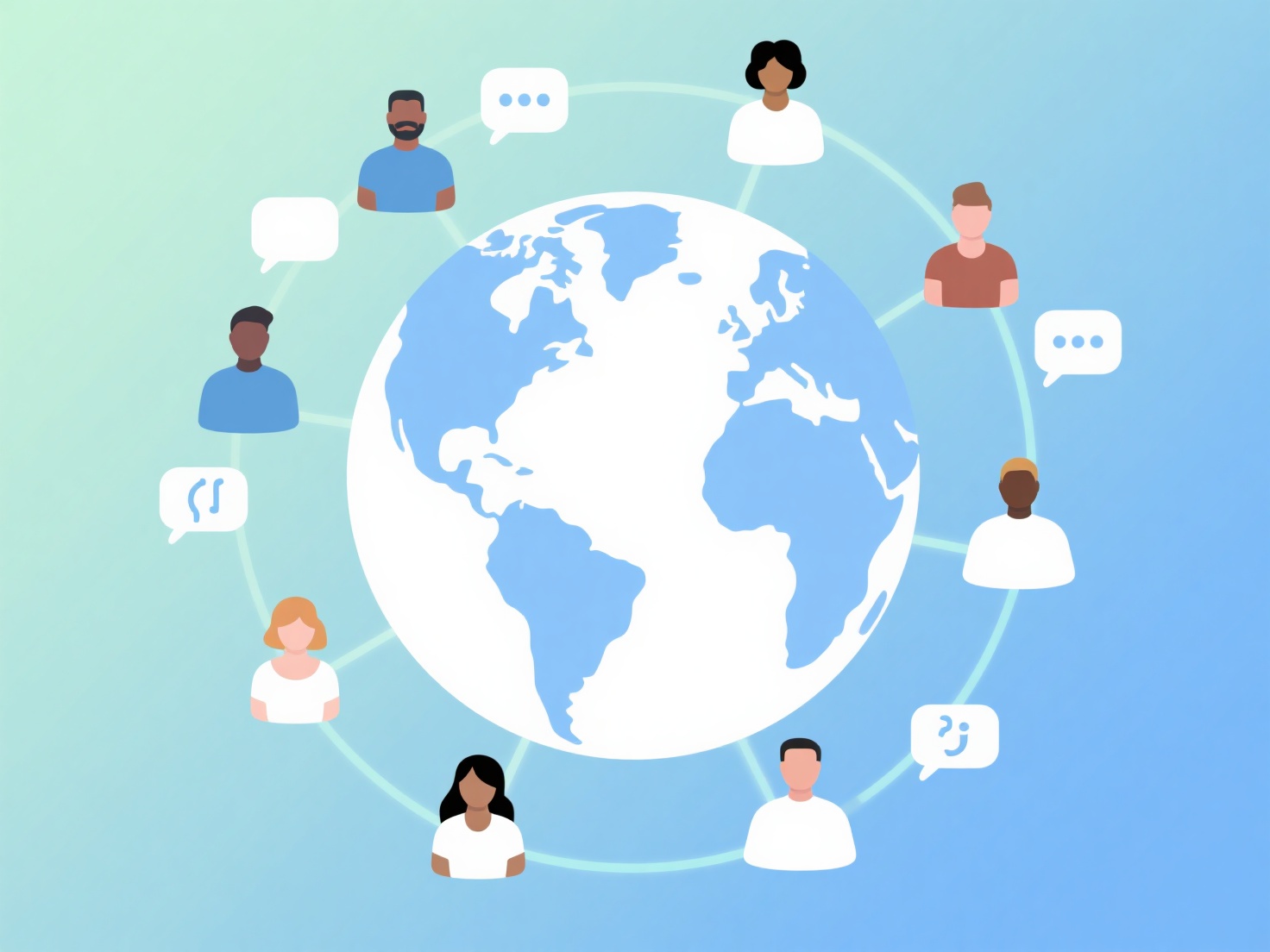
To collaborate with non-English sources effectively, researchers should use specialized academic translation tools, establish clear bilingual terminology glossaries, and partner with native-speaking co-authors. Expanding your literature review beyond English-language journals is essential for avoiding language bias, discovering novel methodologies, and gaining a truly global perspective on your research topic.
Best Practices for Using Non-English Research
1. Leverage specialized academic translation
Standard translation apps often struggle with complex academic jargon, leading to misinterpreted methodologies or skewed data. To overcome this language barrier, you need tools specifically built for scholarly reading. For instance, WisPaper's AI Copilot translates full papers directly within your reading workflow, helping you understand complex foreign research without losing critical scientific nuances.
2. Screen metadata and abstracts first
Before committing time to translating an entire manuscript, focus your initial search on metadata. Translate your core research keywords into the target language to query regional academic databases. Once you find potential matches, translate only the titles and abstracts. This rapid screening helps you filter out irrelevant studies and identify which papers actually warrant a full-text review.
3. Build a bilingual terminology glossary
When conducting cross-lingual research, inconsistent terminology can easily derail your understanding. Create a centralized spreadsheet that maps your specific research keywords, variables, and theoretical frameworks between English and the target language. This ensures that technical concepts remain accurate and standardized as you synthesize findings from global literature.
4. Network for international co-authorship
While AI and translation tools can bridge initial gaps, human expertise guarantees accuracy. Do not hesitate to email the original authors of a non-English paper if their work aligns perfectly with your own study. Researchers are generally eager to see their work recognized and cited internationally. This initial contact can provide you with deeper insights into their data and often evolves into a valuable cross-border collaboration or co-authorship.
5. Trace and verify all claims
When integrating translated findings into your own academic paper, extra care must be taken with references. Always verify the context of the original claims to ensure that the core arguments were not lost or softened in translation. By carefully managing these sources, you maintain academic integrity while enriching your research with diverse, international data.