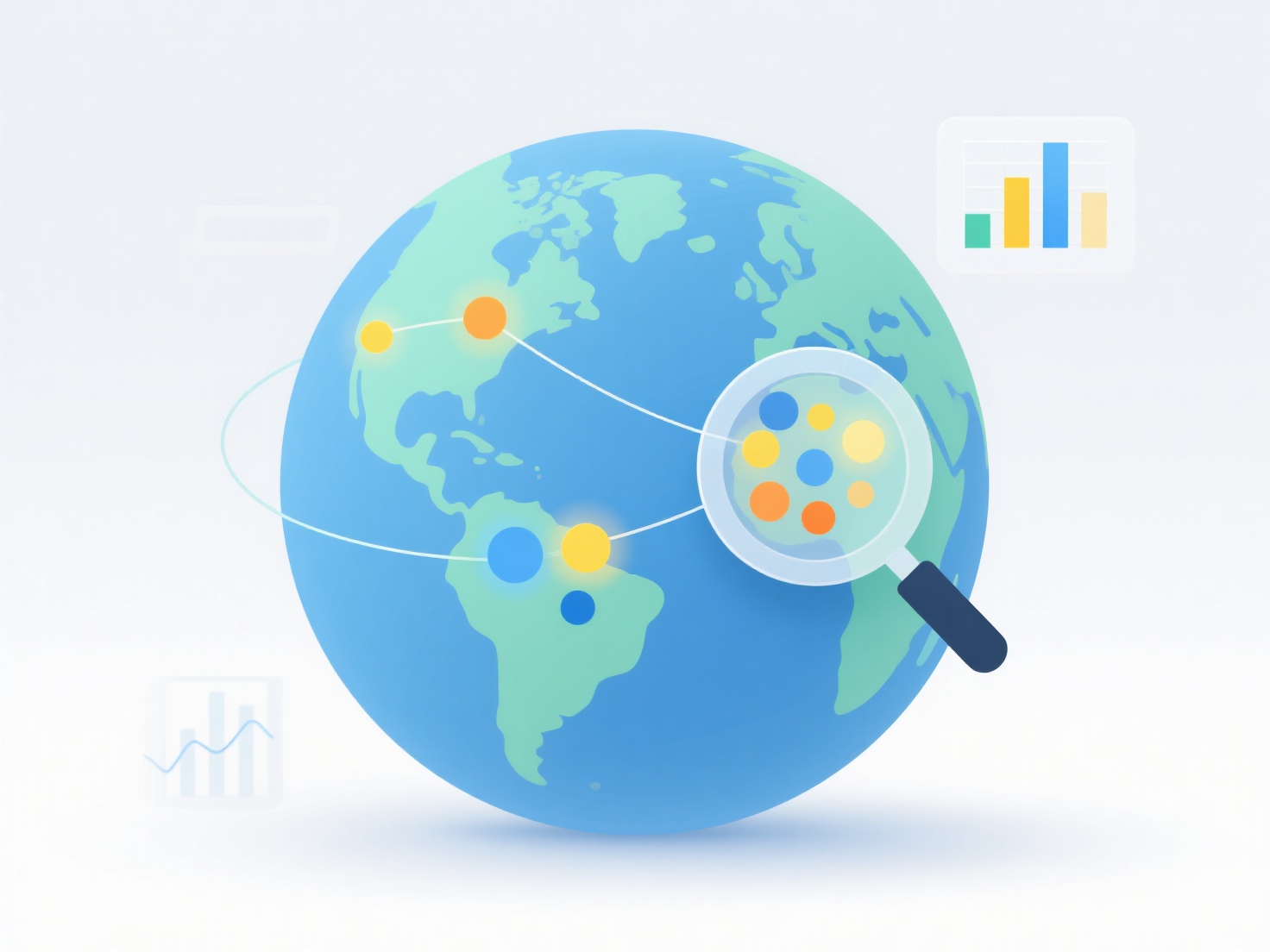
To find global research trends for international conferences, you should analyze recent calls for papers, review keyword frequencies in top-tier proceedings, and set up automated alerts for newly published preprints in your field. Identifying these emerging topics early is crucial for aligning your work with the current interests of reviewers and conference organizers.
Analyze Calls for Papers (CFPs)
Conference organizers use Calls for Papers to signal the specific themes, workshops, and tracks they want to highlight for the upcoming year. By browsing databases like WikiCFP or specialized academic society websites, you can identify recurring keywords and special sessions. When multiple major international conferences introduce tracks on a specific niche, it is a definitive sign of a growing global research trend.
Review Recent Conference Proceedings
Examining the accepted papers from the last one to two years at premier conferences reveals the current trajectory of your discipline. Skim the titles, abstracts, and keywords of best paper award winners and keynote presentations. Furthermore, paying close attention to the "Future Work" sections of these highly cited papers will often outline the exact research gaps the global community is preparing to tackle next.
Automate Your Literature Tracking
Manually checking journals and conference websites every day quickly leads to information overload. Instead, you should use smart tools to curate a personalized stream of incoming research. For instance, WisPaper’s AI Feeds can send you a daily push of new papers matching your exact research interests across 32 fields, allowing you to effortlessly track new research and spot trending methodologies before they reach the conference stage.
Monitor Preprints and Academic Networks
The traditional peer-review cycle can take months, meaning published journal articles sometimes reflect past trends rather than future ones. To see what researchers are actively working on right now, monitor preprint servers like arXiv, bioRxiv, or SSRN. Additionally, following prominent researchers, university labs, and conference hashtags on platforms like ResearchGate or X (formerly Twitter) provides real-time insights into the debates and innovations shaping future conference themes.