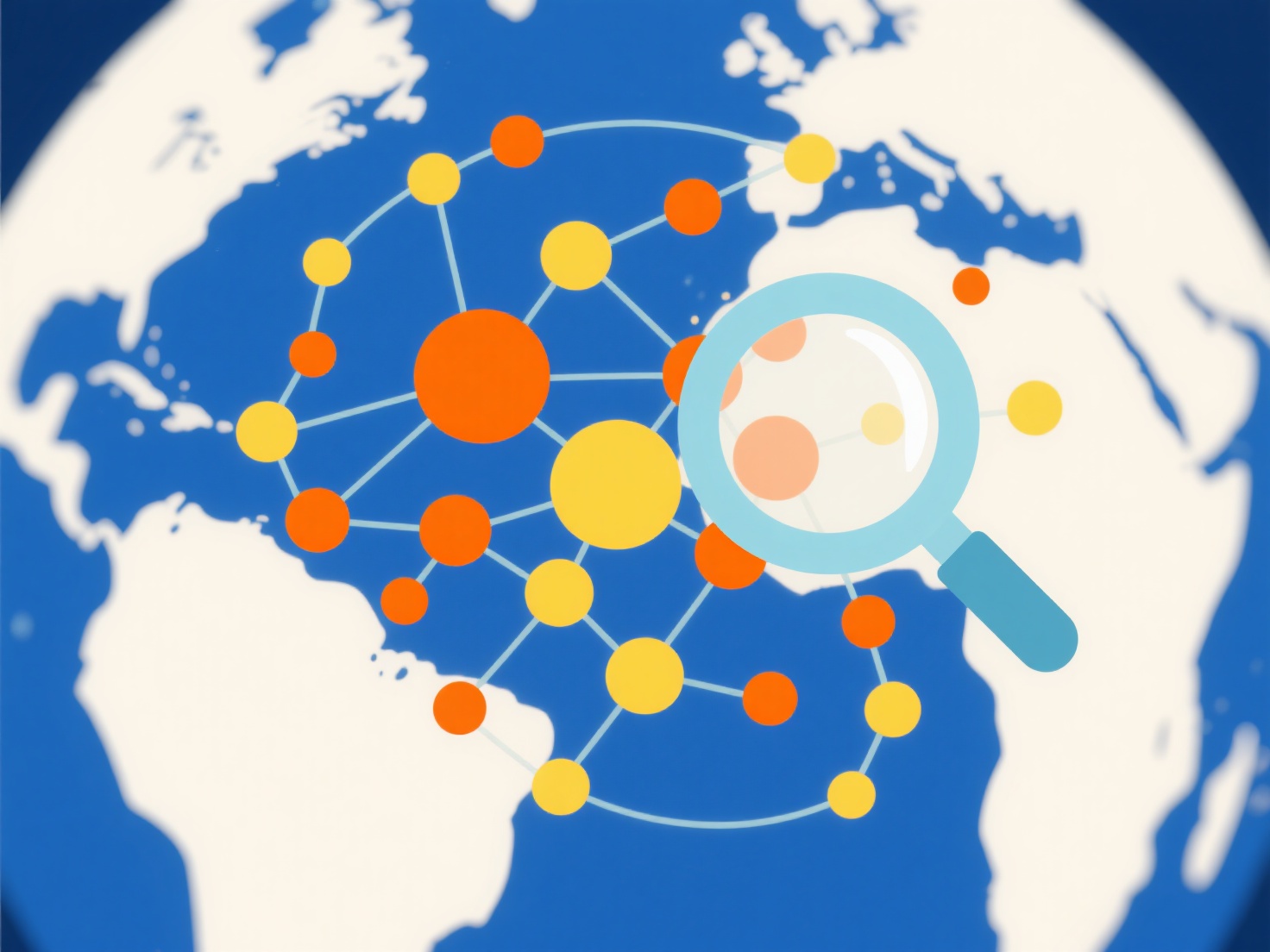
To find global research trends in a specific field, you need to analyze highly cited review papers, track emerging keywords in recent publications, and continuously monitor top-tier academic journals. Understanding the direction of your discipline helps you identify research gaps, avoid duplicating past work, and position your own studies for maximum impact.
Here is a practical, step-by-step approach to mapping out the current landscape of your academic field.
1. Start with Broad Literature Searches
Begin by looking for recent "systematic reviews," "meta-analyses," or "state-of-the-art" papers published in the last two to three years. These comprehensive articles summarize decades of past work and usually conclude with a dedicated section on future directions and emerging trends. Reading these first gives you a bird's-eye view of where the academic consensus lies and what major questions remain unanswered.
2. Map Keyword and Topic Evolutions
Research trends are often visible in the changing vocabulary of a field. Pay attention to the "author keywords" in the newest publications. If you want to get analytical, you can export citation data from major academic databases and run it through bibliometric mapping software like VOSviewer or CiteSpace. These tools create visual networks of keywords, showing you exactly which topics are fading and which are rapidly gaining traction globally.
3. Automate Your Trend Tracking
The sheer volume of newly published research can cause massive information overload for early-career researchers. Rather than manually checking dozens of journal websites and conference proceedings every week, you should automate the discovery process. To avoid missing critical breakthroughs, you can use WisPaper's AI Feeds to get a daily push of new papers matching your specific research interests across 32 fields, keeping you updated without the manual effort. Setting up traditional database alerts for specific authors and niche keywords is also a helpful way to monitor the pulse of your field.
4. Analyze Citation Networks
A trend isn't just about what is being published; it's about what is being built upon. Look at the most highly cited papers from the last five years and use "forward citation tracking" to see who is citing them today. If a specific methodology, dataset, or theoretical framework is suddenly receiving hundreds of citations across international institutions, you have found a major global trend.
By combining a deep dive into recent literature with smart, automated tracking tools, you will always know exactly where your research field is heading next.