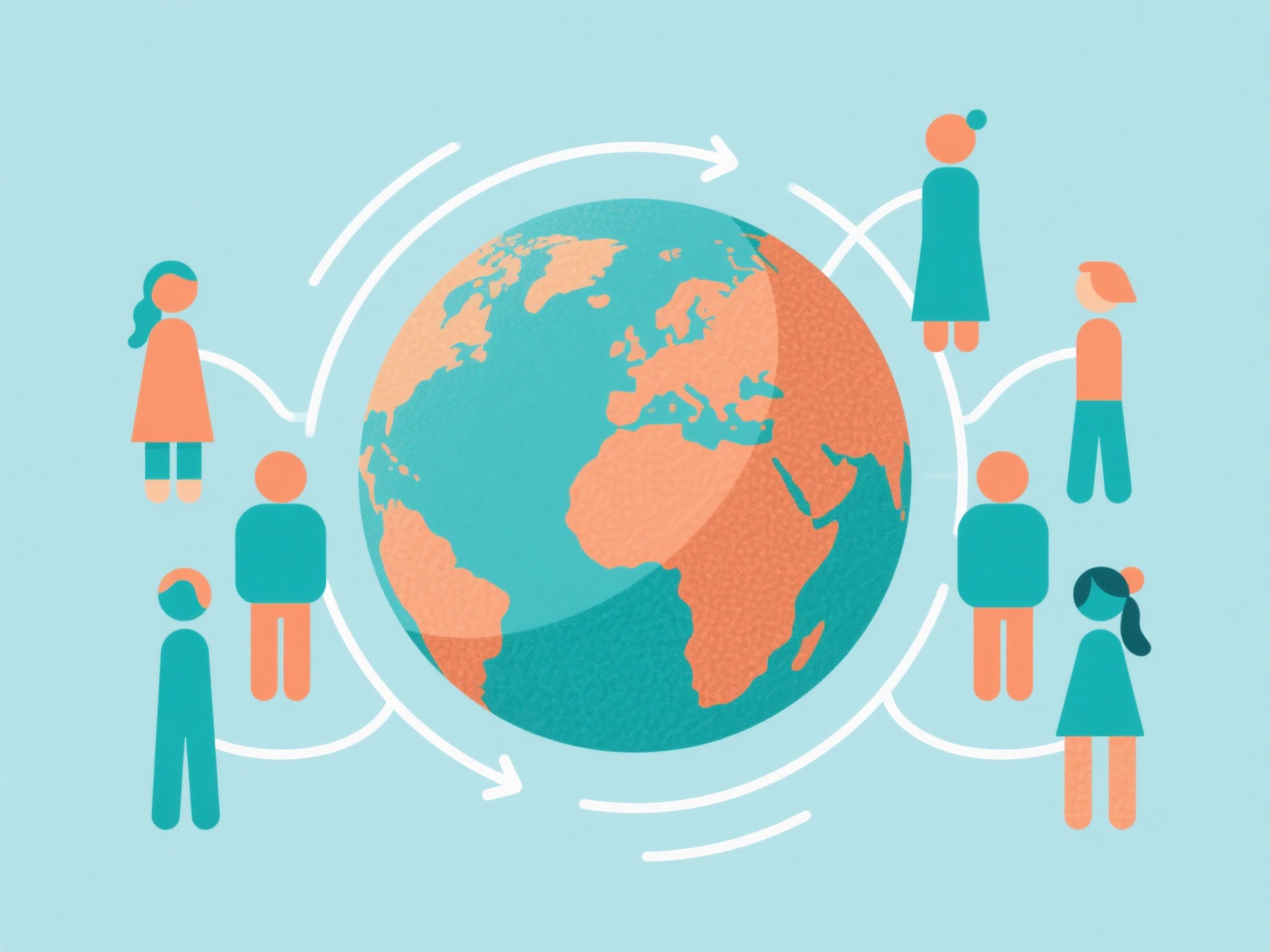
Navigating a global academic audience requires writing in clear, universal language, providing broad context for regional concepts, and actively sharing your research across international networks.
Publishing a paper is only the first step in the research lifecycle; ensuring your findings resonate with scholars worldwide is what truly drives citations and global impact. For early-career researchers, learning to communicate across cultural and linguistic boundaries is an essential skill.
Here are the most effective strategies for reaching and engaging an international academic audience:
Use Clear and Universal Language
When writing for a global audience, clarity is your best asset. Avoid using cultural idioms, colloquialisms, or complex metaphors that might confuse non-native English speakers. Keep your sentences concise and favor the active voice. While academic jargon is sometimes unavoidable, try to define highly specialized terms early in your manuscript so readers from adjacent fields can easily follow your methodology and conclusions.
Provide Context for Localized Concepts
Never assume your reader shares your cultural or geographical background. If your study focuses on a specific region’s education system, healthcare policy, or historical event, take a moment to explain how it works. A policy that is common knowledge in the United States or Europe might be entirely unfamiliar to a researcher in Asia or South America. Providing this baseline context ensures your research remains relevant and understandable to everyone.
Leverage Translation and Accessibility Tools
Making your work easy to digest and translate can drastically expand your reach. Consider creating simplified summaries or plain-language abstracts to share alongside your formal publication. If you are trying to engage with foreign literature or want to adapt your own work for broader consumption, WisPaper's AI Copilot can translate full papers or rewrite complex studies into easy-to-read blog posts, helping to bridge language and comprehension barriers.
Engage in International Academic Networks
Don't wait for a global audience to find you—go to them. Share your published papers, preprints, and research posters on international platforms like ResearchGate, LinkedIn, and academic social media channels. When posting, use relevant hashtags and tag international collaborators. Additionally, prioritize presenting at international conferences, including virtual ones, to build cross-border collaborations and introduce your work to diverse academic communities.
By prioritizing accessibility and proactive communication, you can ensure your hard work transcends borders and contributes meaningfully to the global scientific conversation.