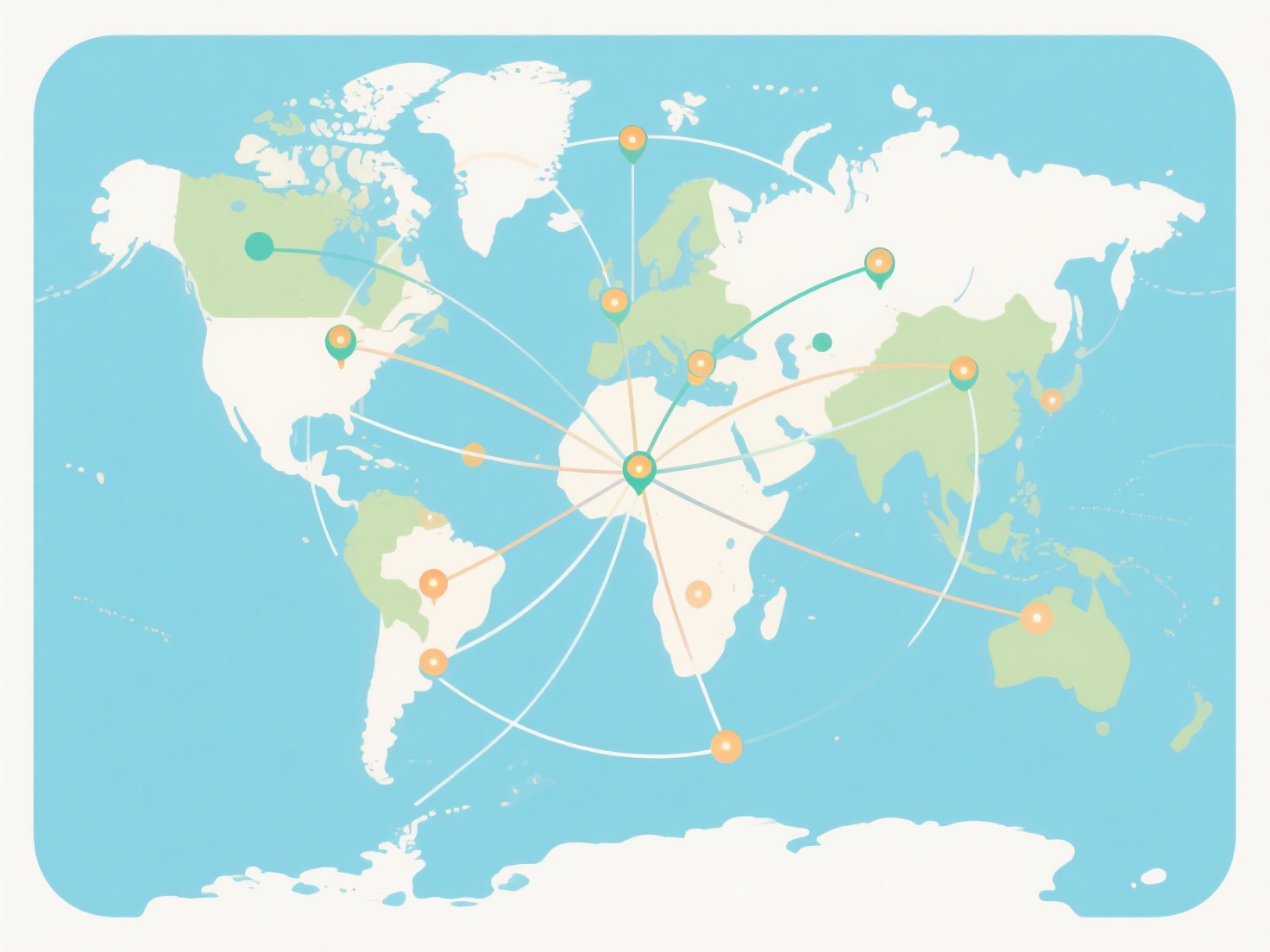
To successfully navigate and write for a global academic audience, you must use clear, standardized language, eliminate regional jargon, and provide sufficient background context for international readers.
When your research reaches across borders, it is evaluated by scholars with diverse linguistic and cultural backgrounds. Making your academic writing accessible ensures your work achieves maximum global research impact. Here are the most effective strategies for communicating your research to an international audience.
Use Clear and Universal Language
The foundation of writing for a global audience is clarity. Avoid using local idioms, colloquialisms, or culturally specific metaphors that might confuse non-native English speakers. Stick to plain English, use the active voice, and keep your sentence structures straightforward. If you must use specialized terminology, clearly define it the first time it appears in your manuscript.
Contextualize Regional References
Never assume that an international reader understands your local context. If your study focuses on a specific geographic location, local government policy, or regional education system, take a paragraph to explain how it works. Providing this background information bridges the cultural gap and helps international reviewers understand the significance of your findings.
Standardize Your Formatting and Metrics
Global audiences rely on standardized systems to interpret data. Always use the International System of Units (SI) for measurements, rather than regional formats like imperial units. Additionally, ensure your dates, currencies, and statistical notations follow universally accepted academic conventions.
Broaden Your Literature Review
A paper intended for a global audience should be built on a global foundation. If you only cite researchers from your own country, your paper may appear narrow in scope. Actively search for and include relevant international literature to demonstrate how your specific study contributes to the broader, worldwide academic conversation.
Make Your Findings Highly Accessible
To truly expand your reach, consider how your research is consumed after publication. Creating lay summaries or translated abstracts is a highly effective way to engage international readers. You can easily streamline this process using WisPaper's AI Copilot, which translates full papers and can even rewrite your complex academic findings into easy-to-read blog posts. By breaking down language and complexity barriers, you make it much easier for a global audience to discover, understand, and cite your work.