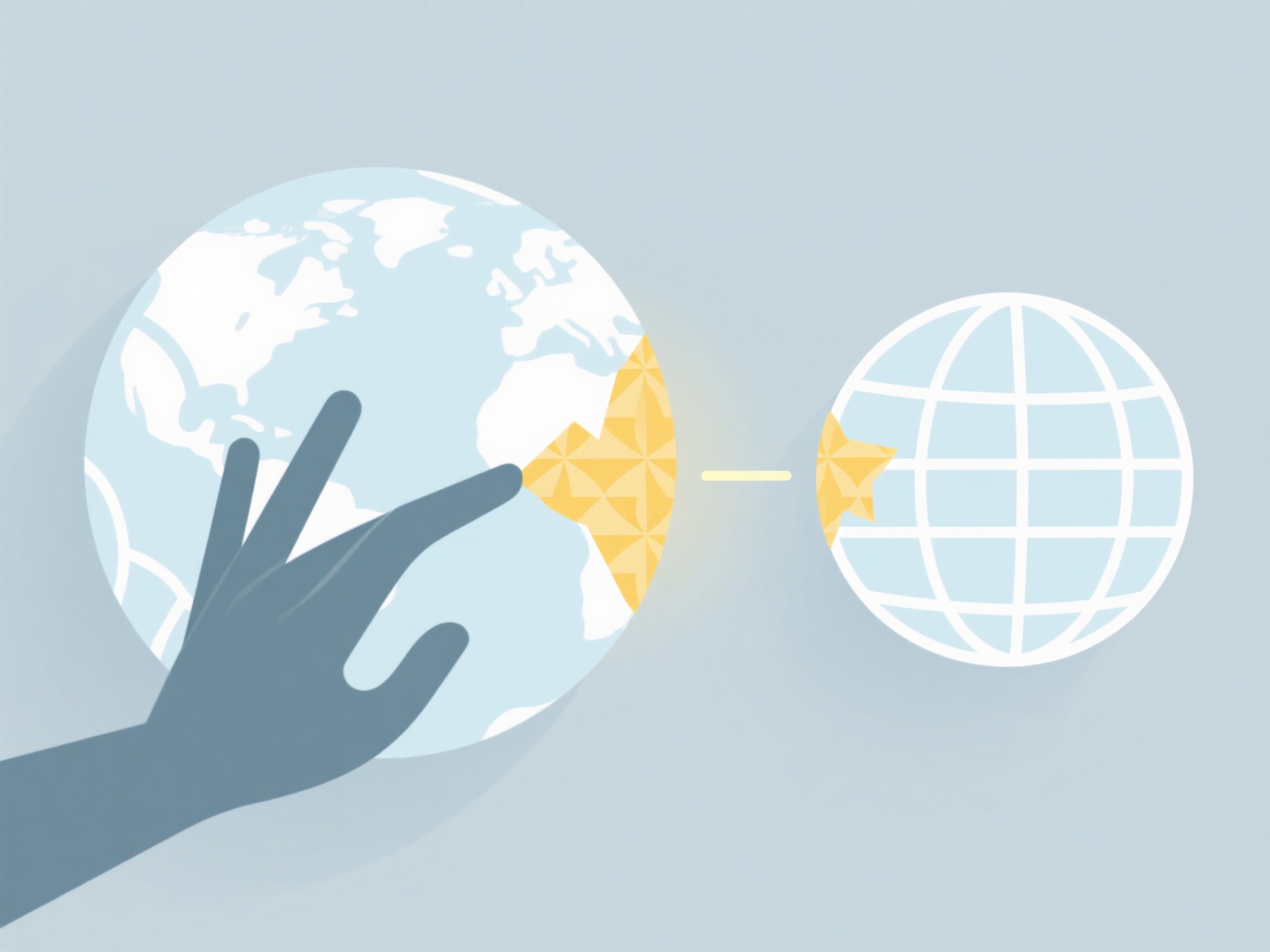
To share non-English sources effectively, you should provide the original citation alongside an accurate English translation of the title, a brief summary of the key findings, and access to the original document. Incorporating international research into your literature review is a great way to broaden your perspective, but sharing these foreign language sources with English-speaking colleagues or advisors requires a few extra steps to ensure clarity.
1. Format the Citation Correctly
When sharing a paper formally or adding it to a shared bibliography, standard academic styles like APA and MLA have specific rules for non-English academic papers. Generally, you should provide the author and date, the title in the original language, and then include the English translation of the title in square brackets immediately after. This allows your peers to locate the original text in academic databases while instantly understanding the topic.
2. Provide a Translated Summary
Simply sending a PDF in a language your colleague doesn't speak isn't very helpful. Always include a translated version of the abstract or a bulleted summary of the methodology and core results. If you are dealing with dense material, WisPaper's AI Copilot can automatically translate full papers and even rewrite them into easy-to-read summaries, making it much simpler to share the exact insights you need with your research group without spending hours translating manually.
3. Share the Original Document
Always provide a DOI link or attach the original PDF alongside your translation. Even if your collaborators cannot read the text, they may want to run specific paragraphs through their own translation tools, verify the references, or examine the charts, graphs, and data tables, which often use universally understood formatting.
4. Highlight the Relevance
Context is crucial when sharing literature from other regions. Briefly explain in your email or shared notes why this specific non-English source matters to your current project. Does it offer a unique dataset from a different geographic region? Does it contradict a widely accepted theory found in English-language publications? Pinpointing the exact value saves your peers time and encourages them to engage with the translated material.
By combining proper citation formatting with clear, translated summaries, you can seamlessly integrate global research into your collaborative workflows and avoid missing out on vital international data.