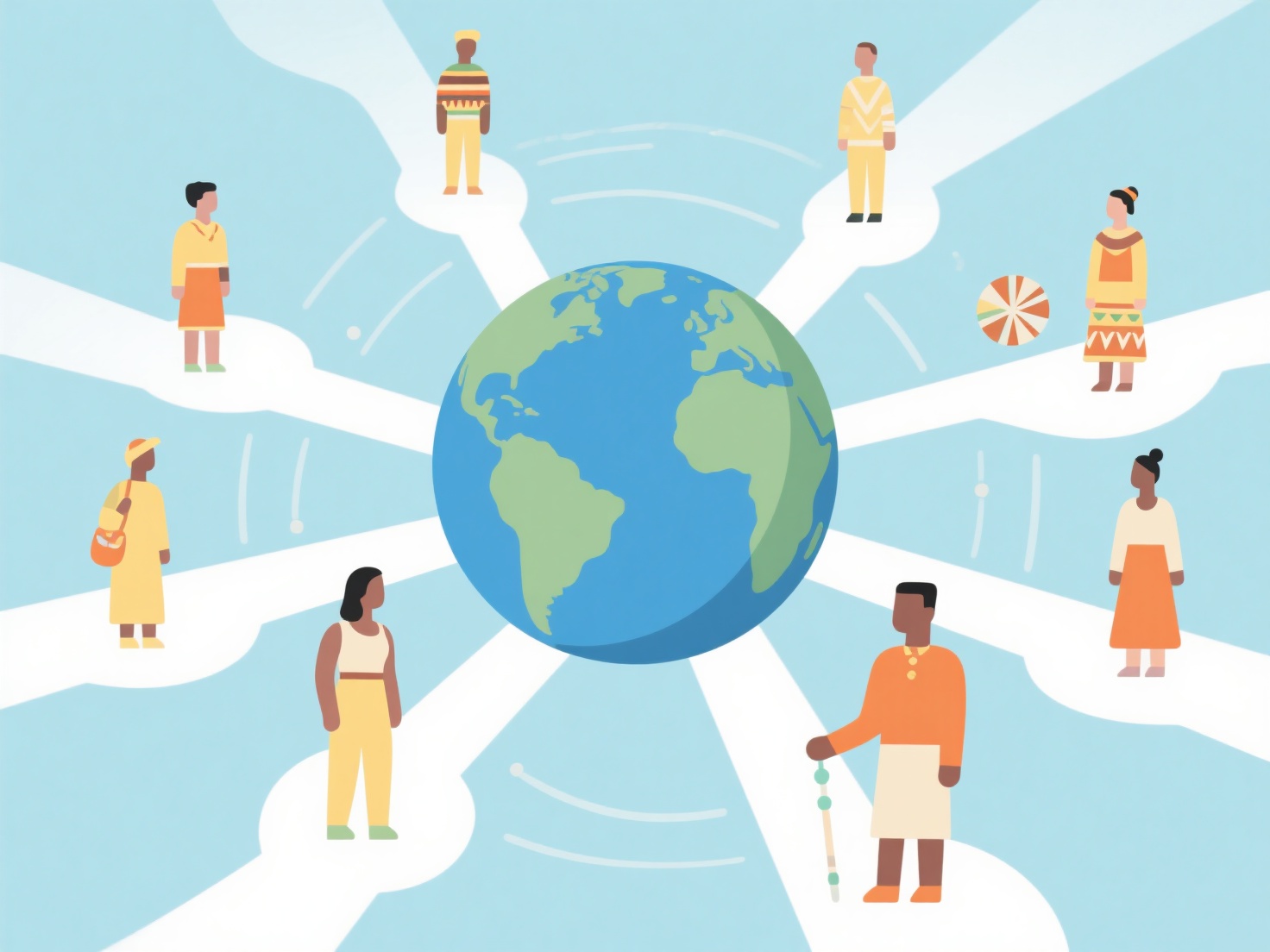
To understand global researchers and bridge cultural gaps, you must actively learn about their local academic norms, adapt to different communication styles, and foster open, respectful dialogue.
International collaboration is the backbone of modern science, but working within a global academic community often brings hidden challenges. Bridging these cultural gaps not only prevents misunderstandings but also leads to more impactful cross-cultural research. Here are practical ways to connect with international peers.
Acknowledge Different Communication Styles
Academic communication varies widely across the globe. In some cultures, researchers rely on direct, blunt feedback to debate ideas. In others, critique is delivered indirectly to preserve harmony and save face. When interacting with international peers, pay attention to these nuances. Avoid assuming that hesitation means a lack of knowledge, or that bluntness implies hostility. Adjusting your own communication to be clear, polite, and accommodating goes a long way in building trust.
Overcome Language Barriers
English is the dominant language in academia, but it is a second language for many brilliant scholars. Be patient in conversations, speak clearly, and avoid using heavy slang or regional idioms that might not translate well. When reviewing literature, language differences shouldn't prevent you from engaging with groundbreaking international work. If you are struggling to read foreign papers, WisPaper's AI Copilot translates full documents and can even rewrite complex sections into easy-to-understand formats, ensuring you grasp the core concepts regardless of the original language.
Understand Local Research Norms
Every region has its own institutional hierarchies, funding constraints, and publication expectations. For example, authorship order conventions and the role of principal investigators can differ significantly between North America, Europe, and Asia. Before starting a joint project, have transparent discussions about authorship, data sharing, and project timelines. This ensures everyone's expectations align with their local academic and career requirements.
Build Cultural Empathy
Take a genuine interest in the environments where your collaborators work. Small gestures—like being mindful of major international holidays, accommodating drastic time zone differences when scheduling meetings, and learning how to correctly pronounce your colleagues' names—build immense goodwill. Try to schedule informal catch-ups alongside your formal research meetings to cultivate personal relationships. When researchers feel personally respected and understood, cultural barriers naturally begin to fade, making way for seamless scientific collaboration.