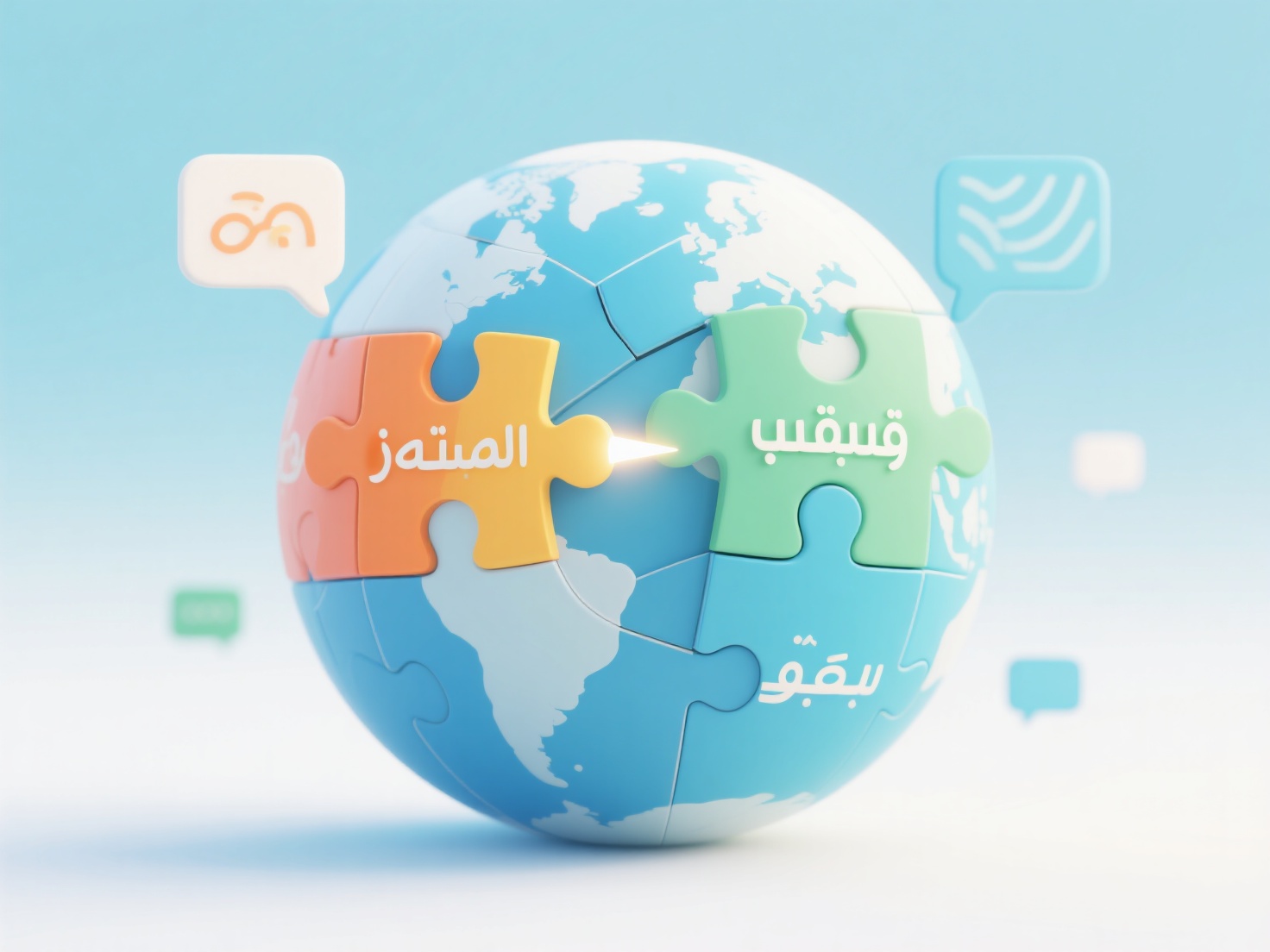
Understanding language barriers in academic research means recognizing how unfamiliar languages and dense academic jargon prevent scholars from accessing global literature, and actively using strategies to bridge that gap. While English is the dominant language of modern science, groundbreaking research is published worldwide, making it essential for researchers to navigate these linguistic hurdles effectively.
How Language Barriers Affect Research
Language barriers manifest in two primary ways for researchers. First, non-native English speakers often face significant challenges when reading, writing, and publishing in top-tier international journals. Second, researchers who only read English risk missing out on valuable studies, datasets, and methodologies published in other languages. Both scenarios create blind spots in your literature search and limit the global exchange of knowledge.
Types of Academic Language Barriers
To effectively overcome these obstacles, it helps to understand the specific types of barriers you might encounter:
- Literal Translation Issues: Struggling with vocabulary, grammar, and syntax when reading a paper in a foreign language.
- Academic Jargon: Every field has its own highly specialized terminology. Even native speakers often find dense, discipline-specific jargon to be a barrier to comprehension.
- Structural Differences: Different academic cultures have varying standards for how arguments are structured, which can make foreign papers feel disorganized or confusing to read.
Strategies to Overcome Language Barriers
You don't need to be perfectly fluent in multiple languages to access global research. Here are practical ways to break down these barriers:
- Leverage AI Translation Tools: Modern AI has made reading foreign literature highly accessible. Instead of copying and pasting paragraphs into standard translators, you can use WisPaper's AI Copilot to translate full academic papers seamlessly or rewrite complex jargon into simple, easy-to-read summaries.
- Analyze Visual Data First: Before getting bogged down in dense text, look at the paper's charts, graphs, and tables. Data is often a universal language, and understanding the figures first can provide strong context for the written results.
- Build a Custom Glossary: Keep a running spreadsheet of frequently used academic terms in your specific field, along with their translations and definitions. This reduces the cognitive load of constantly looking up the same words.
- Collaborate Internationally: Partnering with bilingual researchers or international colleagues can help you navigate foreign literature, ensure accurate translations of your own work, and broaden the global reach of your research.
By acknowledging these barriers and utilizing the right tools, you can confidently engage with complex papers and international research, ensuring your literature review is truly comprehensive.