
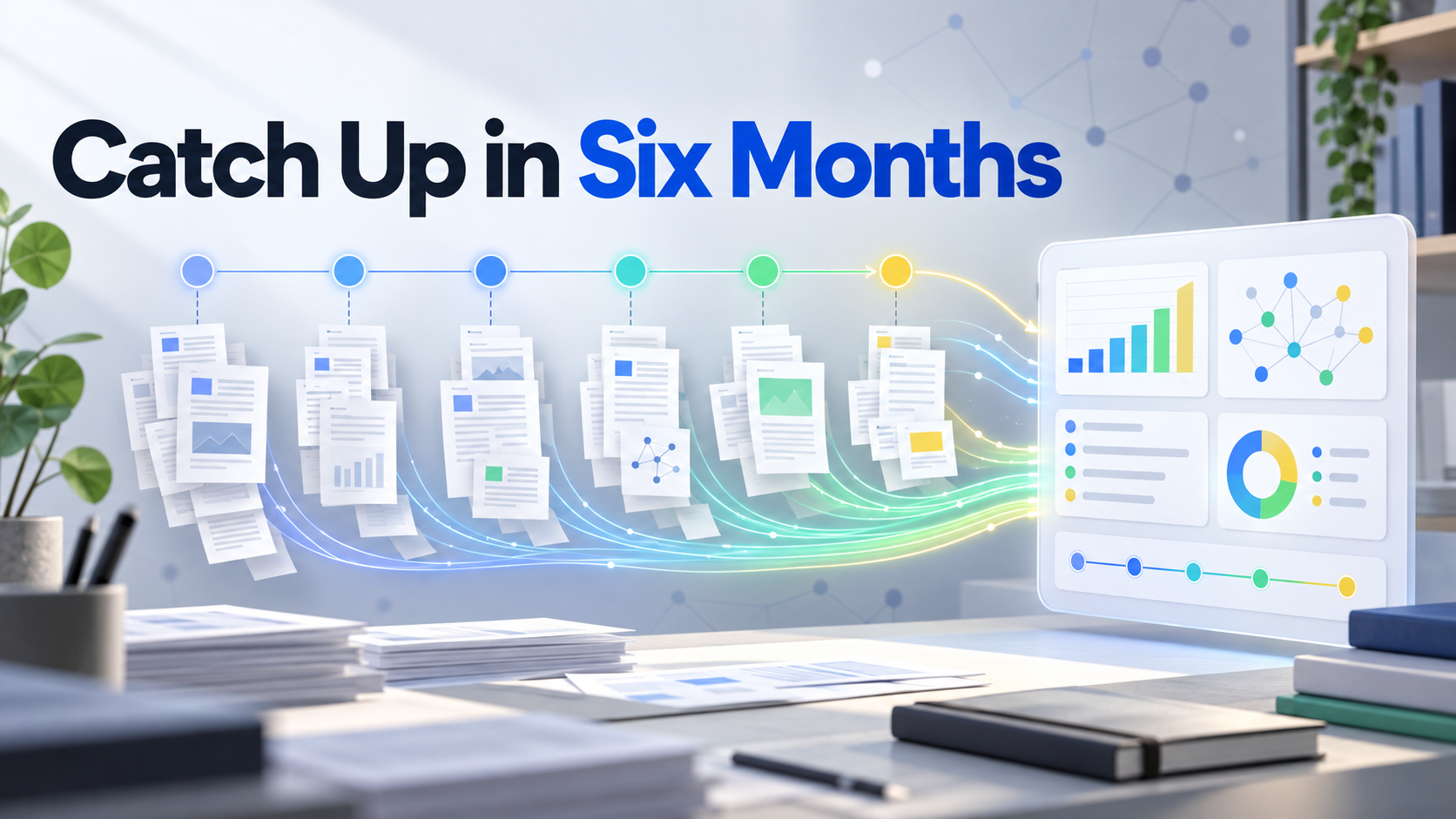
Six months away from a fast-moving topic can leave you with two bad options: start the literature review again or skim random new papers until you feel less behind. A better catch-up begins from the map you already had.
Reconstruct your last known state
Write down the date you stopped, the question you were following, three anchor papers, and the conclusion you believed at the time. Find your old search terms and reading notes.
This creates a baseline. You are looking for changes since that point, not relearning the whole field.
Search for four kinds of change
Limit the first pass to work published or indexed since your cutoff date, then classify results:
- new evidence: another study of the same question
- new method or dataset: the question can now be tested differently
- new synthesis: a review or meta-analysis reorganizes existing evidence
- status change: correction, retraction, guideline, policy, or major critique
Start with recent reviews and papers that cite your anchor studies. They often reveal which developments the field considers important.
Read what changed your map
Do not read chronologically. Prioritize papers that introduce a new conclusion, stronger design, different population, or challenge to an anchor paper. Put incremental studies later.
For every new paper, record one sentence: “This changes / confirms / qualifies my previous map because…” If you cannot finish that sentence, the paper may not belong in the catch-up queue.
Reopen the question, not just the folder
After the first pass, ask whether the original question still uses current terminology and whether the important disagreement moved. Six months of papers may not change the conclusion, but they may change what uncertainty matters.
Set alerts only after updating the query. Otherwise, the same blind spot that made you miss papers before will continue sending incomplete results.
Use WisPaper as the updated workspace
Put the old anchor papers and new candidates in My Library. Ask Library QA what findings, methods, and limitations appear only in the newer group. Use WisPaper Search for the revised question and missing branches.
Your final catch-up note can be one page: what remained stable, what changed, what now looks uncertain, and the five papers to read closely.
FAQs
Keep Reading
ChatGPT Found a Paper You Can't Find: What to Check First
ChatGPT gave you a paper that does not appear to exist. Check its DOI, title, authors, alternate versions, and metadata before removing or replacing the citation.
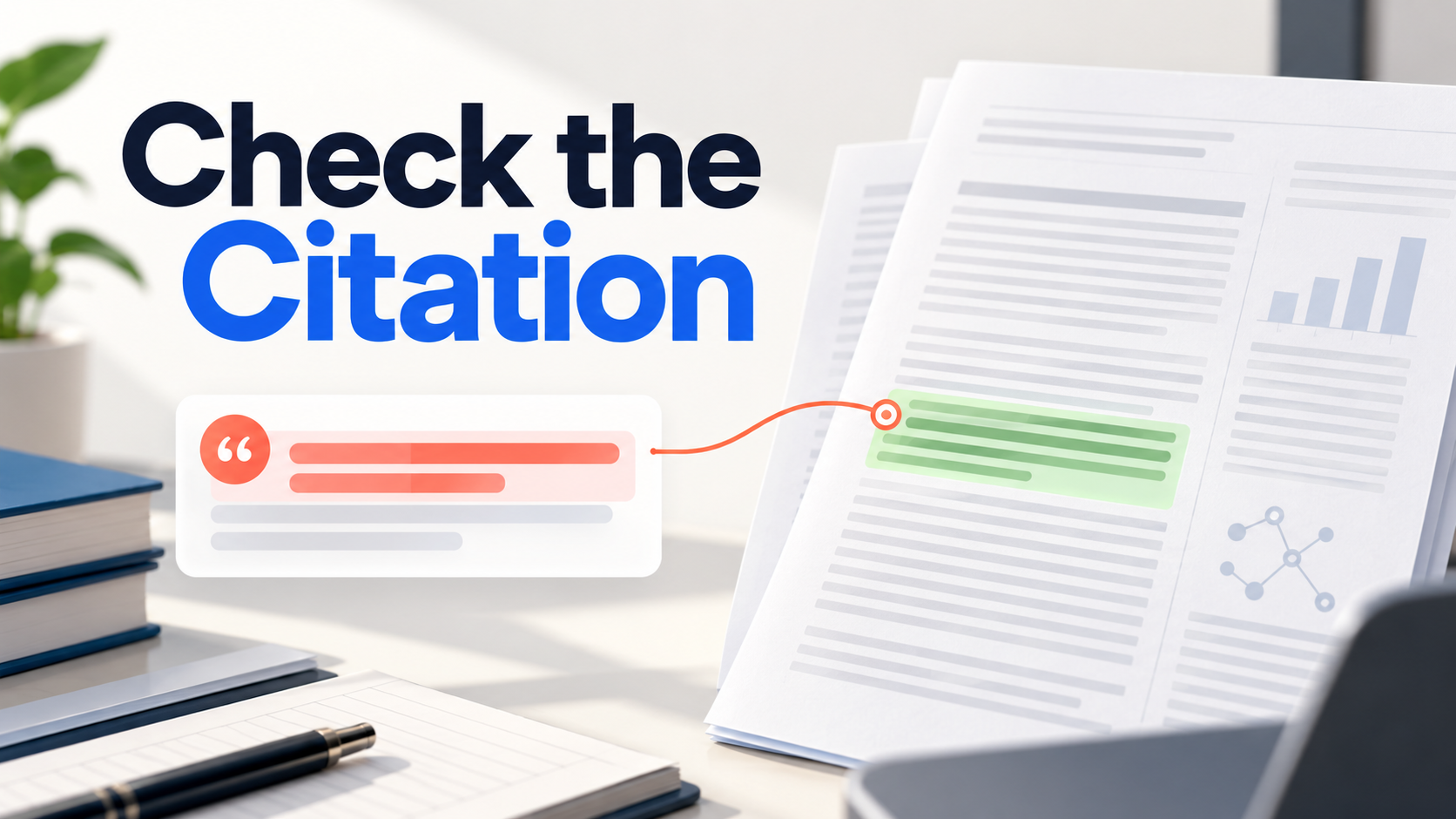
How to Check Whether an AI Citation Actually Supports the Claim
Use a claim-level check to confirm that a real AI citation supports the exact sentence, population, outcome, and strength of evidence.
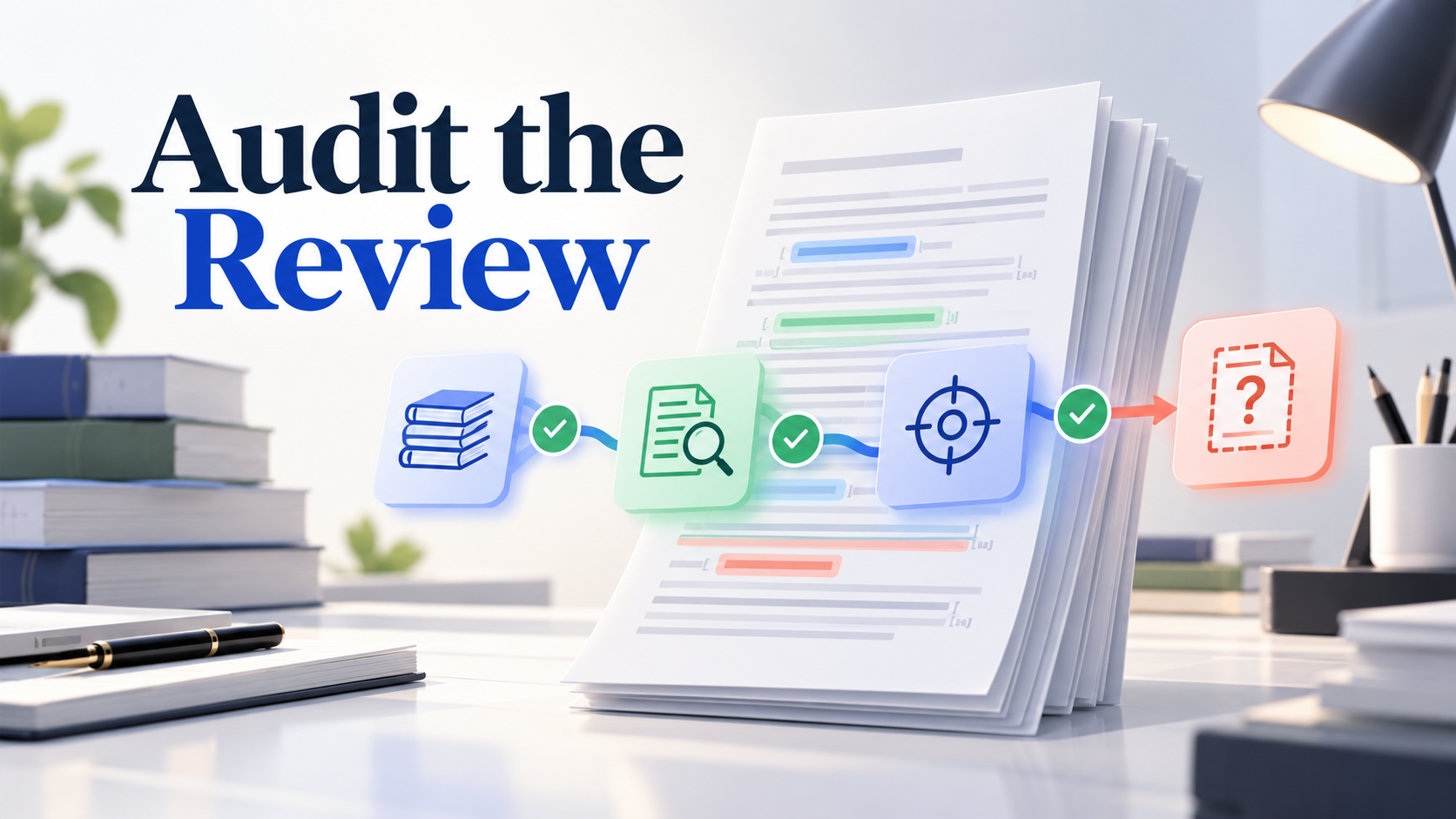
Before You Trust an AI-Generated Literature Review, Check These 5 Things
Audit an AI literature review for real sources, claim support, missing evidence, false consensus, and scope before using the draft.