
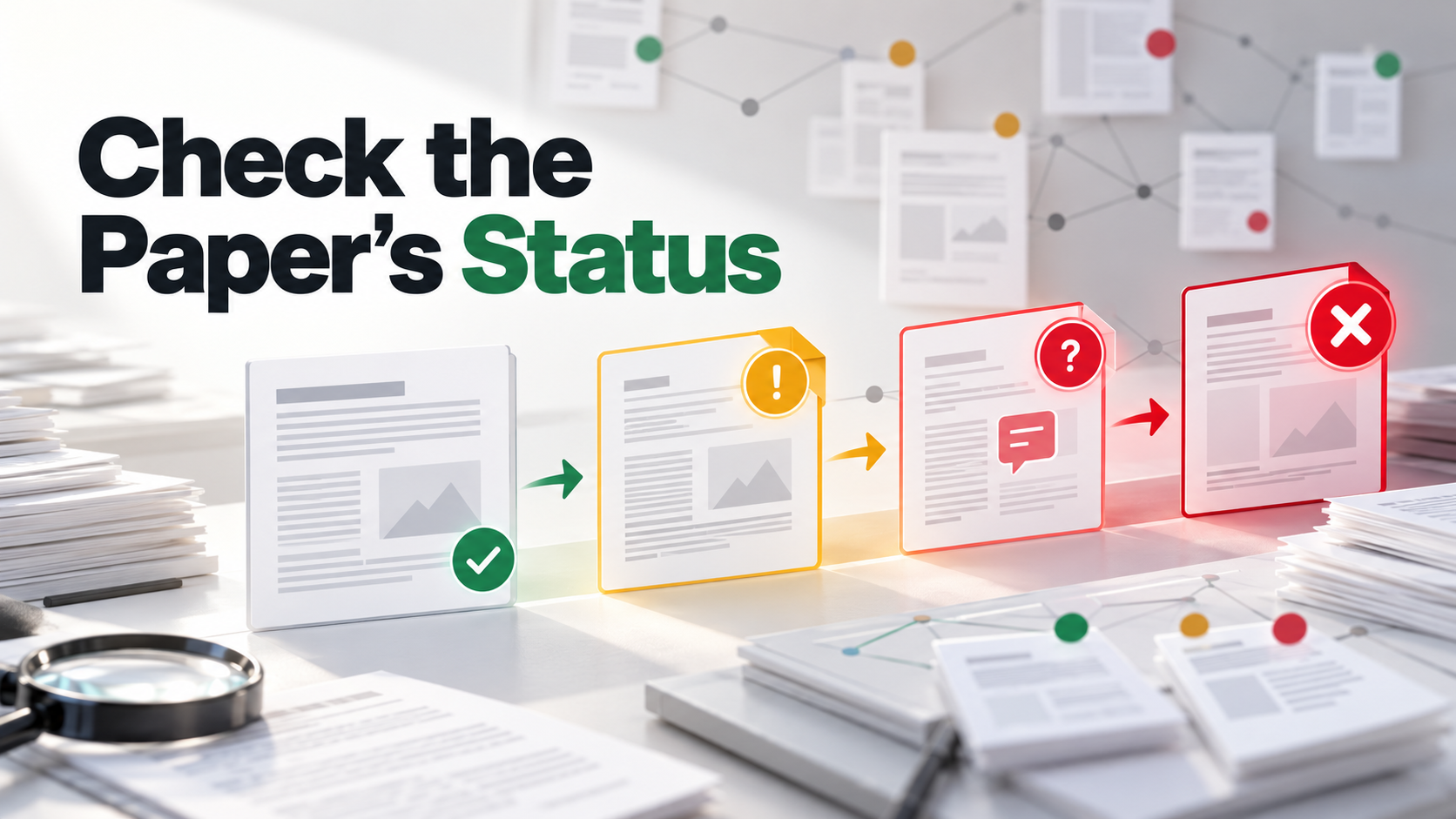
A paper can remain highly cited after an error is corrected, a conclusion is challenged, or the article is retracted. The PDF saved on your laptop may never tell you that its status changed.
Before relying on an important paper, check both its publication status and what later evidence says about it.
Start from the version of record
Use the DOI or exact title to open the publisher page. Look for a correction, erratum, corrigendum, expression of concern, retraction, or updated supplementary file. If the page displays Crossmark, open it to see whether the publisher has registered an update.
Compare the authors, year, journal, and DOI with your PDF. A repository manuscript or preprint may differ from the final version.
Check bibliographic databases for linked notices
In PubMed, corrected or retracted biomedical records may display links such as “Erratum in,” “Correction in,” or “Retraction in.” Search the title and inspect the record rather than relying on the PDF alone.
You can also search the title with terms such as correction, erratum, expression of concern, retraction, or publisher name. For a larger bibliography, the Retraction Watch Database is another place to investigate retractions and related notices.
Separate a formal update from a scientific challenge
A formal notice changes or comments on the publication record. A scientific challenge may appear in a replication, commentary, reanalysis, meta-analysis, or later study with stronger data.
Use cited-by searching and look for:
- direct replications
- reanalysis of data or code
- comments and author replies
- systematic reviews or meta-analyses
- papers using terms such as robustness, failed replication, or boundary condition
A challenged paper is not automatically invalid. Record what was challenged: the data, analysis, mechanism, generalization, or interpretation.
Decide how the update changes your use
A minor correction to an affiliation may not affect your claim. A corrected table, changed outcome, expression of concern, or retraction can matter greatly.
Write a short status note:
Publisher correction changed the sample count but not the reported effect.
or:
Later replications did not reproduce the original effect; cite the paper for historical context, not as settled evidence.
This prevents the citation from returning to your draft without its status.
Track the paper in WisPaper
Find the record in WisPaper Search and save the original paper, linked notice, and strongest follow-up studies in My Library. Use Library QA to compare what changed across the records, then verify formal status on the publisher or database page.
WisPaper helps keep the evidence together; the authoritative correction or retraction status comes from the publication record.
FAQs
Keep Reading
How to Turn Reading Notes into a Literature Review Paragraph
Turn paper-by-paper reading notes into a literature review paragraph organized around a claim, evidence, exceptions, and meaning.
My Supervisor Sent Me 20 Papers. Where Do I Start?
Turn a supervisor's folder of 20 papers into a first-week reading plan using triage, seed papers, and focused research questions.
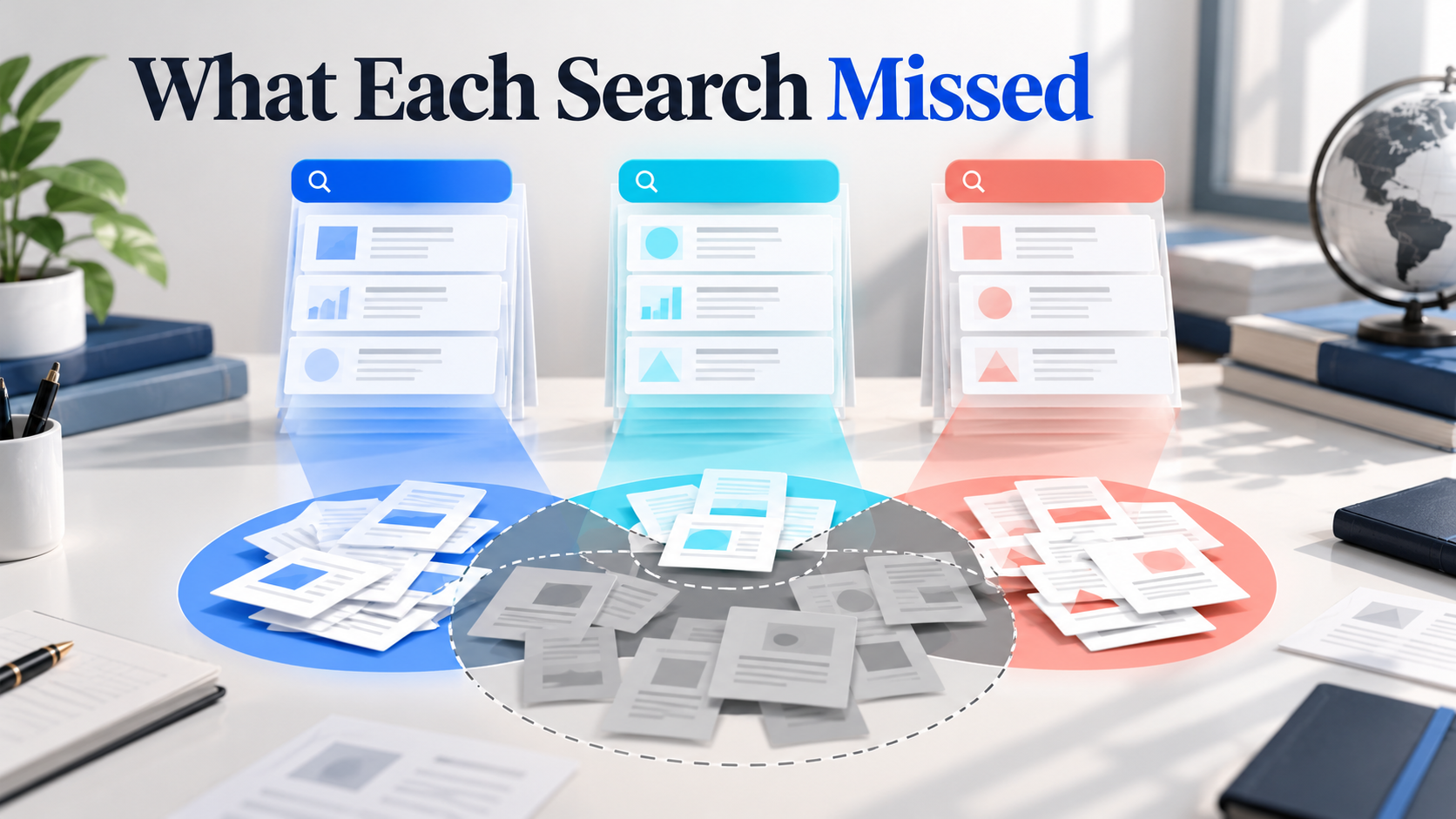
I Tried Three Paper Search Tools on the Same Question. What Did Each Miss?
A small audit of OpenAlex, Crossref, and Europe PMC shows how paper search tools miss vocabulary, populations, and document types.