
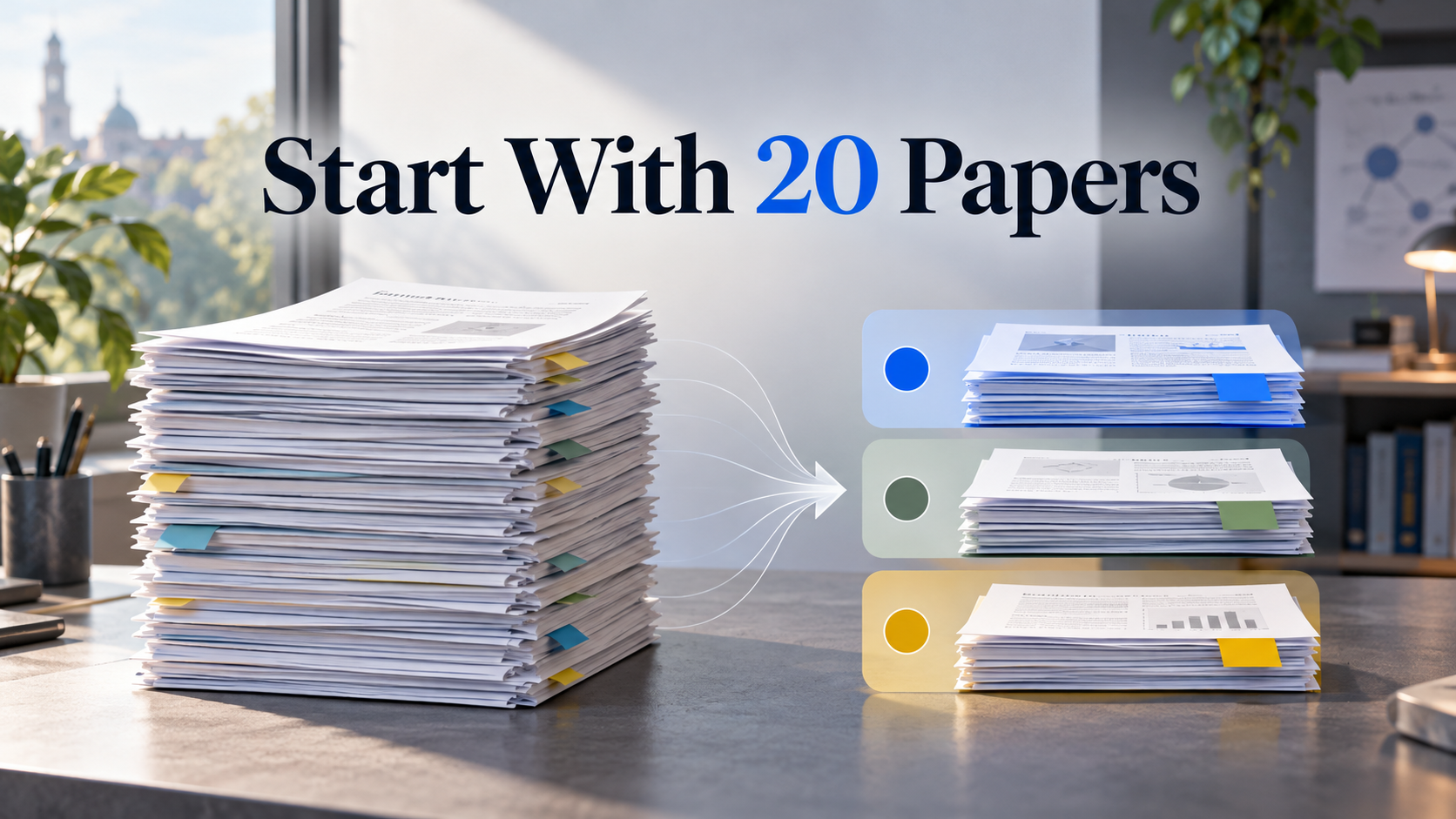
Your supervisor sends a folder called “papers to read” with no explanation. Opening the first PDF and reading from page one feels responsible, but it may leave you spending an hour on a background paper while the paper that defines your project sits at number seventeen.
Do a short triage before deep reading.
Find out why the folder exists
Look at the message, meeting notes, and filenames. Was the folder meant to introduce a field, teach a method, support a proposal, or challenge your current idea? If the purpose is unclear, infer a provisional question: “What do these papers suggest I should understand or decide before the next meeting?”
That question gives the reading a job.
Make a one-minute record for each paper
Read the title, abstract, section headings, figures or tables, and conclusion. Record only:
- what problem the paper addresses
- paper type and method
- why it may be in this folder
- one term you need to learn
- priority: now, later, or reference only
Do not write a full summary. The goal is to see the collection before getting trapped inside one paper.
Choose three papers to read first
Start with:
- one recent review or broad overview
- one paper closest to your question
- one paper that introduces a method, theory, or disagreement your supervisor cares about
Read these closely. Their terminology and references will make the remaining papers faster. If no review is present, choose the paper that gives the clearest map of prior work.
Read in passes, not one paper at a time
On the second pass, group papers by role: background, method, core evidence, opposing evidence, and examples. Then read the same section across several papers. Comparing methods or findings side by side often reveals more than finishing twenty separate summaries.
Write questions for your supervisor as you go: “Are papers 6 and 12 here because of their method or their conclusion?” A specific question shows what you already noticed.
Organize the set in WisPaper
Upload or save the papers in My Library. Use Library QA to build the first map: “For each paper, identify its research question, design, population or data, main contribution, and likely role in this reading set.” Check the output against abstracts and methods.
If the folder exposes a missing branch, use WisPaper Search only after you understand why the original twenty were chosen. Otherwise, extra papers will make the pile larger without making the task clearer.
What should you bring to the next meeting?
Bring a one-page map, not twenty summaries: the main themes, the three most important papers, one disagreement, one methodological pattern, and two questions. Your supervisor can correct the map quickly, and you will know where deep reading should go next.
FAQs
Keep Reading
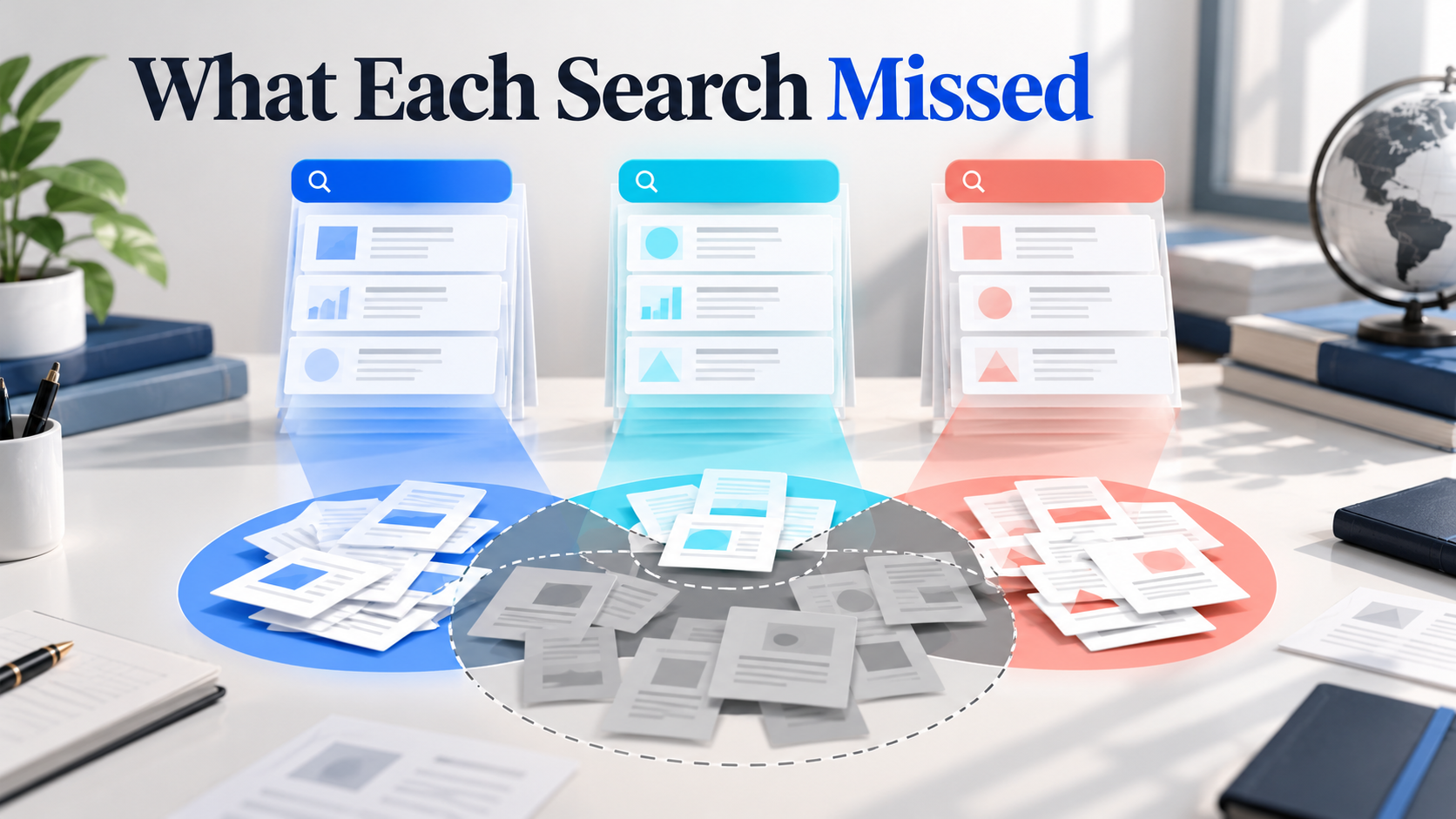
I Tried Three Paper Search Tools on the Same Question. What Did Each Miss?
A small audit of OpenAlex, Crossref, and Europe PMC shows how paper search tools miss vocabulary, populations, and document types.
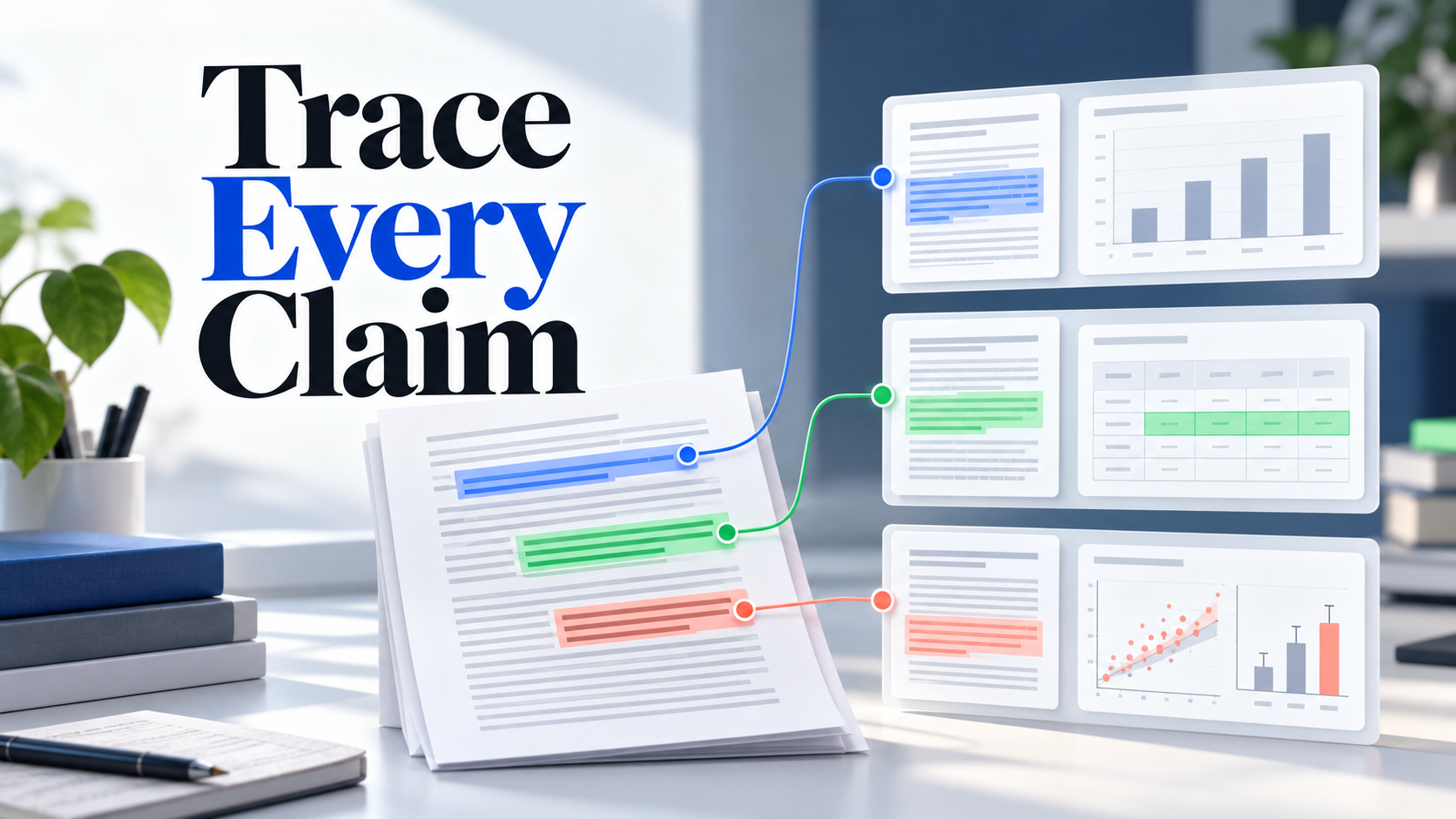
Can You Trace Every Claim in an AI Literature Review Back to a Source?
Build a claim ledger that traces every factual statement in an AI literature review to an exact passage, table, or source.
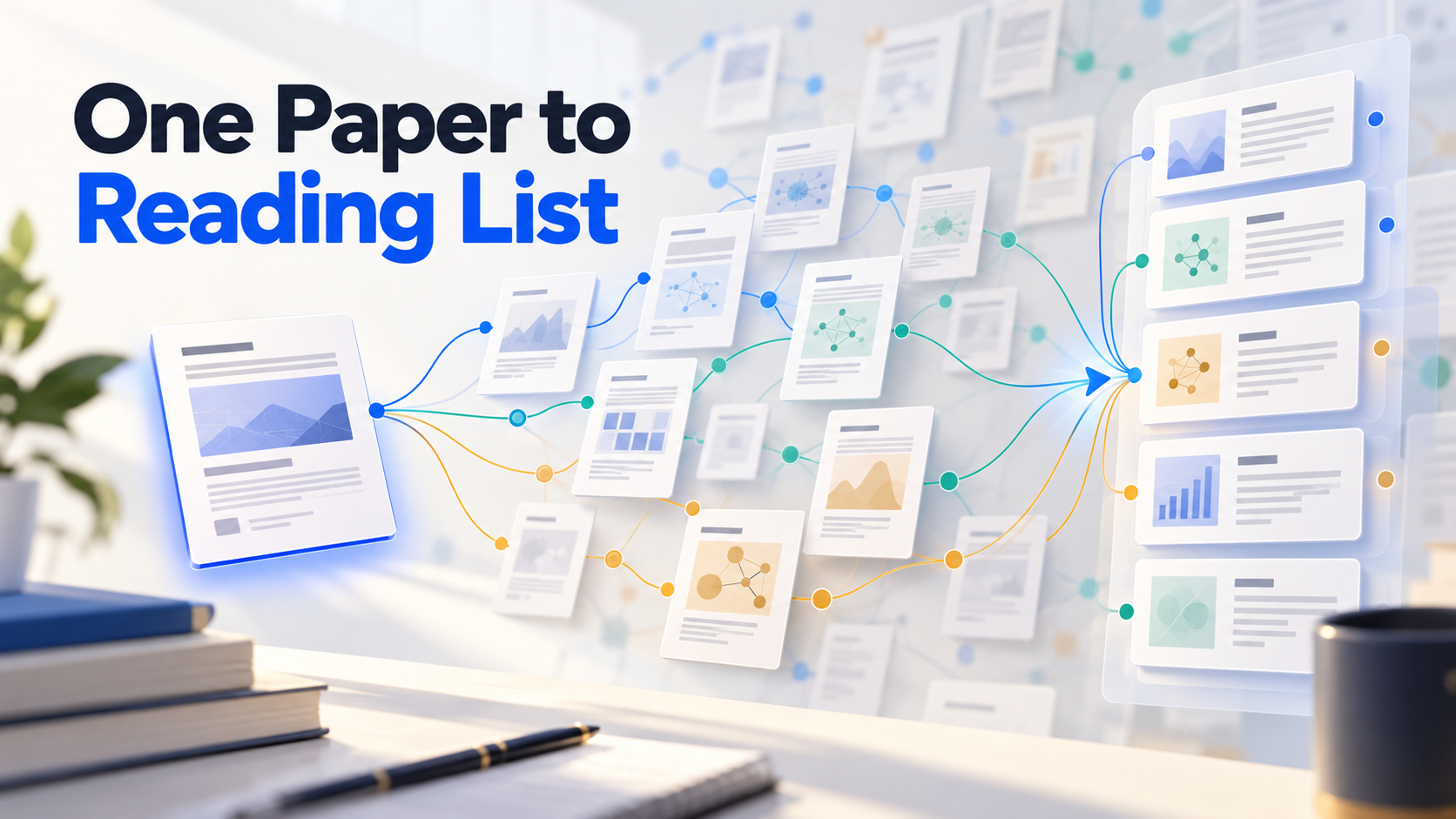
How to Turn One Good Paper into a Reading List
Expand one relevant paper into a focused reading list through references, citations, authors, keywords, and disciplined screening.