
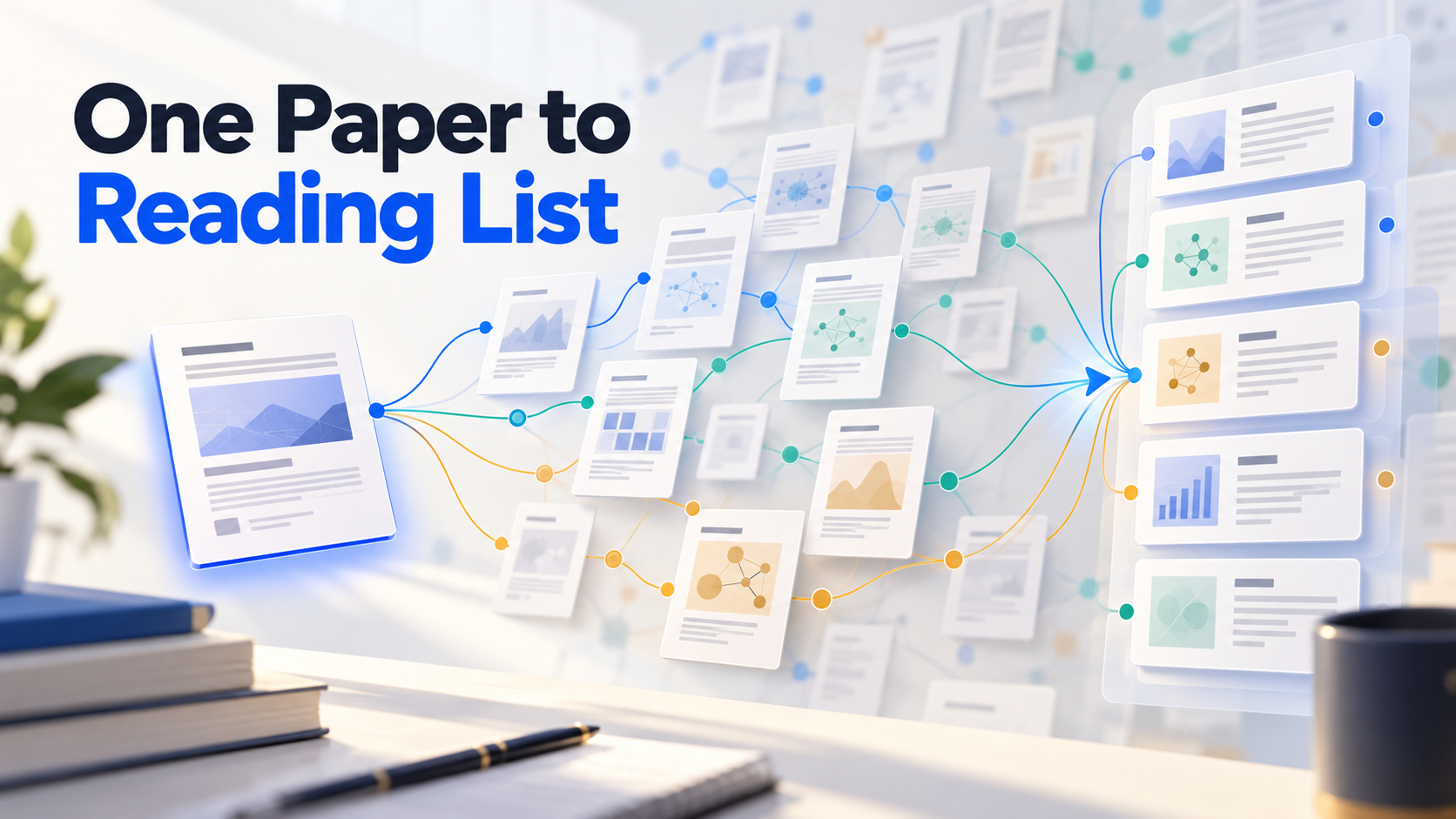
One genuinely relevant paper is more useful than fifty vague search results. It gives you the field's vocabulary, important authors, methods, and a network of work before and after it.
Use that paper as a seed, but do not let it become the only branch of your search.
Read the seed paper for directions
Mark four things:
- the papers it treats as foundational
- the studies it directly disagrees with
- the method or dataset it adopts
- the limitation or future question it leaves open
Each creates a different reading path. The most cited reference is not always the best next paper; choose the reference that explains the part of the argument you need.
Search backward, forward, and sideways
Backward: follow selected references to theories, methods, and earlier findings.
Forward: use a cited-by search to find later papers that replicate, challenge, apply, or review the seed.
Sideways: search related articles, the authors’ other work, the same method in another field, and papers using different terms for the same idea.
Add a reason beside every candidate: foundational definition, strongest method, contradictory result, recent review, or different population. A reading list without roles becomes another pile.
Keep the list balanced
Aim for a small first set:
- one or two foundational sources
- two close empirical studies
- one paper with a different method or population
- one challenge or null result
- one recent review
This gives you structure without pretending the first seed represents the whole field. Expand only where the map remains thin.
Use WisPaper to grow and question the set
Search the seed paper's question in WisPaper Search, using terminology from its title, abstract, and keywords. Save selected papers to My Library. Ask Library QA: “Which paper adds a new population, method, mechanism, or contradictory finding to this set?”
The answer helps you choose the next branch rather than merely collecting more similar titles.
Know when the first reading list is ready
Stop the first round when you can explain the field's central question, name the main approaches, identify at least one disagreement, and see what you still need to learn. The list is a working route, not a claim of complete coverage.
FAQs
Keep Reading
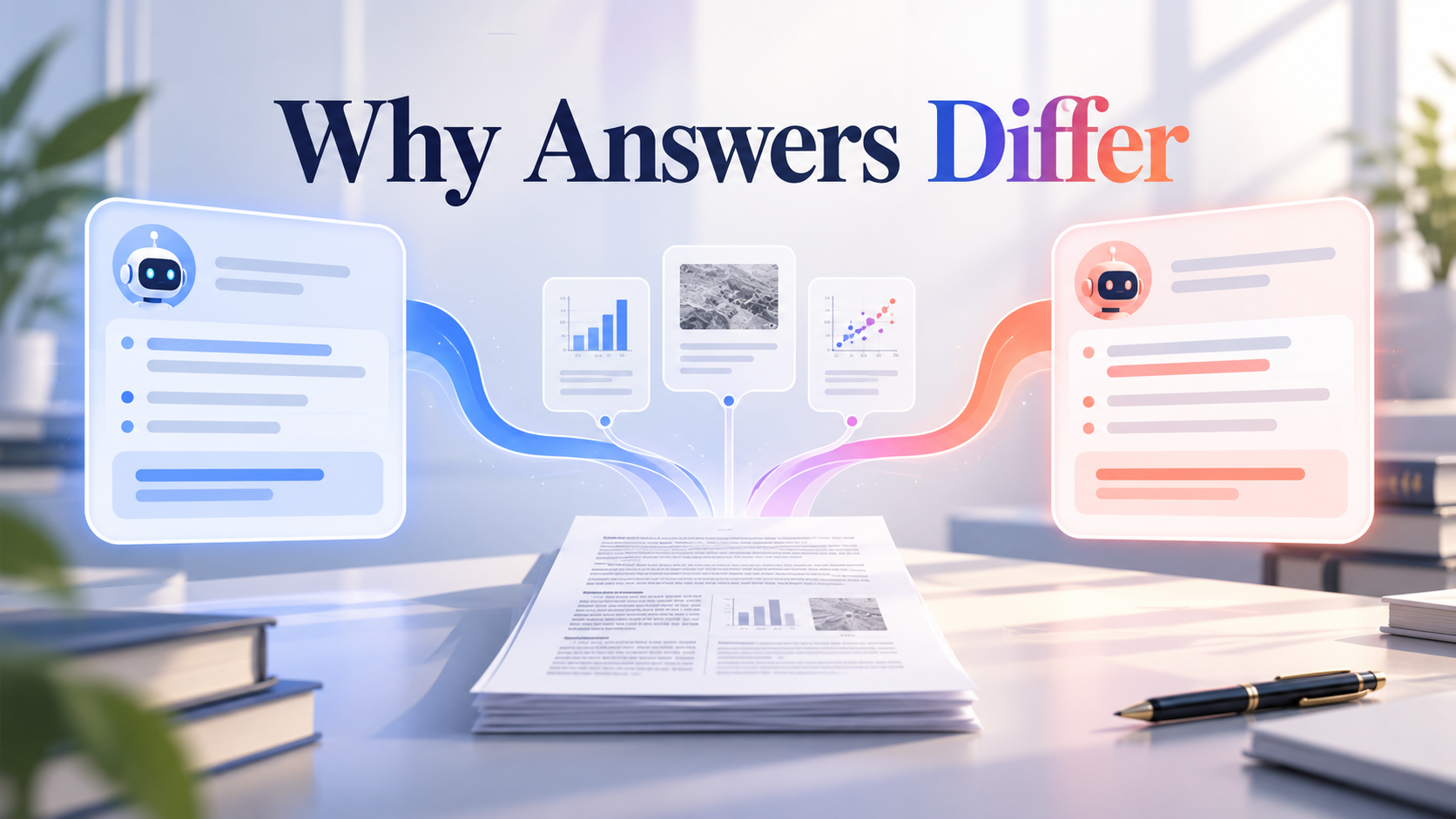
What to Do When Two AI Tools Give Different Answers About the Same Paper
Learn why two AI tools can read the same paper differently and how to resolve conflicts by checking prompts, evidence, and scope.

What Does “Deep Research” Actually Mean for Academic Research?
Understand what AI deep research does, how it differs from academic research, and where source and method checks still matter.

What Is an AI Scientist—and What Can It Actually Do for a PhD Student?
Learn what today's AI scientist systems can actually do for PhD work, where they help, and which research decisions remain yours.