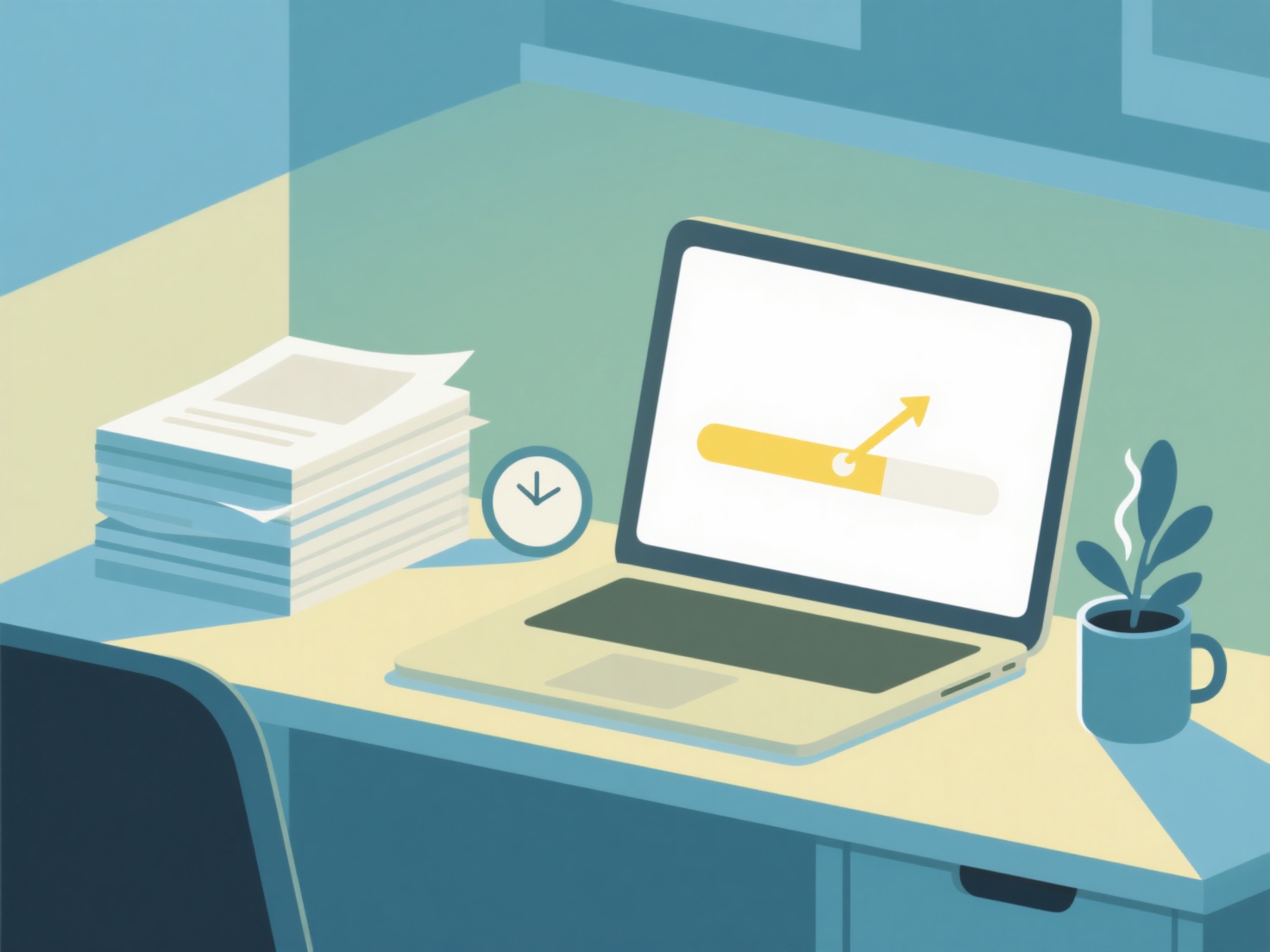
To avoid procrastination in academic writing, you need to break your project down into small, manageable tasks, establish a consistent daily writing routine, and separate the drafting process from editing. Academic procrastination usually stems from feeling overwhelmed by the sheer size of a project—like a thesis or a major journal article—rather than just poor time management. By shifting your approach, you can overcome writer's block and build sustainable academic productivity.
Here are the most effective strategies to stop delaying and start writing:
Break the Project into Micro-Tasks
"Write literature review" is not a task; it is a massive project. When your goals are too broad, the brain perceives them as impossible hurdles and triggers procrastination. Instead, break your work into highly specific micro-tasks. A good micro-task looks like "draft 300 words on the background of this theory" or "outline the methodology section." This lowers the barrier to entry and makes it much easier to open your document and begin.
Separate Drafting from Editing
One of the biggest momentum killers in academic writing is stopping to edit a sentence you just wrote. This constant switching between the creative brain and the analytical brain drains your energy. Allow yourself to write a messy first draft without worrying about perfect phrasing. Furthermore, instead of interrupting your writing flow to hunt down missing references—a classic trap of "productive procrastination"—you can leave placeholders and use tools like WisPaper's TrueCite to automatically find and verify your citations later. Focus solely on getting your ideas onto the page first.
Use Time-Blocking and the Pomodoro Technique
Committing to a four-hour writing marathon is daunting. Instead, commit to just 25 minutes of highly focused work followed by a 5-minute break. This method, known as the Pomodoro Technique, reduces the anxiety associated with thesis writing. Once you start the timer, you only have to write for a short period, which often builds enough momentum to keep you going for several productive cycles.
Stop Productive Procrastination
Many researchers avoid actual writing by doing tasks that feel like work. This includes downloading endless PDFs, tweaking document formatting, or endlessly reorganizing folders. Set strict boundaries for your research phase. Once you have enough material to make your core arguments, close your browser tabs and transition fully into writing mode.
Lower Your Expectations for the First Draft
Perfectionism is the root cause of most academic writer's block. Accept that your first draft will not be ready for publication. The goal of a first draft is simply to exist. Accept the "imperfect first draft" mindset; once you have words on the blank page, the much easier task of revising and refining can finally begin.