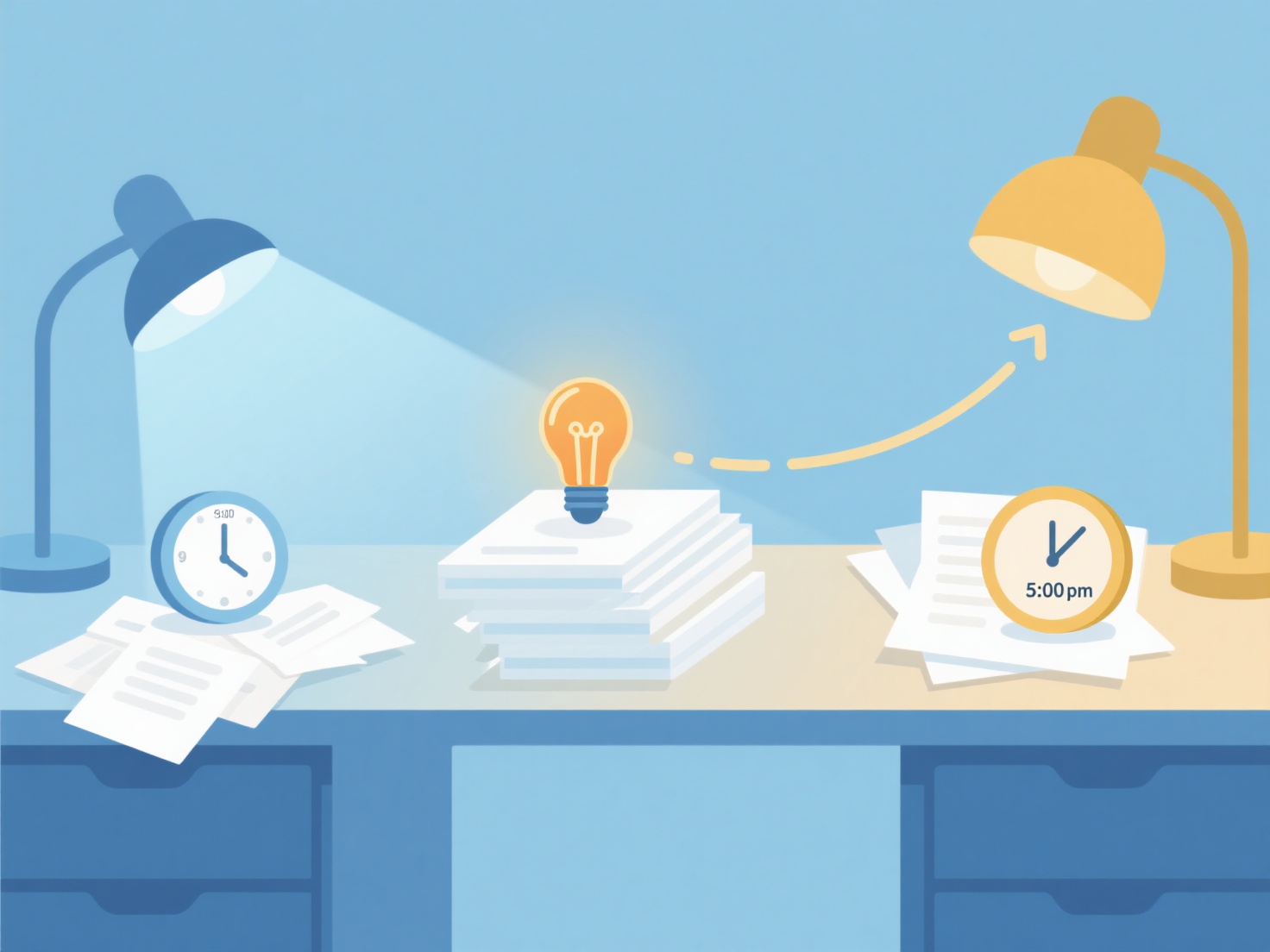
You can boost your writing sessions to handle large academic workloads by breaking tasks into smaller milestones, using time-blocking techniques, and streamlining your literature management.
When you are staring down a massive dissertation, literature review, or grant proposal, the sheer volume of work can easily lead to burnout and procrastination. By optimizing how you approach your writing time, you can maintain focus and consistently produce high-quality work.
Break Down the Workload
Instead of writing "work on paper" on your daily to-do list, break the project down into highly specific micro-tasks. Assign yourself actionable goals, such as "draft the methods section for experiment one" or "outline three paragraphs on the historical background." Smaller tasks reduce the cognitive friction of getting started and provide you with frequent, motivating wins throughout your writing session.
Implement Time-Blocking
Protect your writing sessions by using time-blocking. Dedicate specific hours of your day solely to writing, treating these blocks as non-negotiable appointments. Many researchers pair this with the Pomodoro Technique—working in intensely focused 25- to 50-minute bursts followed by a 5- to 10-minute break. This rhythm prevents mental fatigue and keeps your mind sharp during marathon writing days.
Streamline Your Literature
A major productivity killer during writing sessions is constantly stopping to hunt down a specific quote, statistic, or reference. To maintain your momentum, organize your sources before you start drafting. Using a tool like WisPaper's My Library helps you manage references Zotero-style and lets you use AI to chat directly with your uploaded papers, so you can quickly retrieve exact details without losing your writing flow. Having all your PDFs and notes centralized prevents context-switching and keeps you focused on the text.
Separate Drafting from Editing
One of the fastest ways to derail a writing session is trying to write and edit simultaneously. Give yourself permission to write a messy first draft. Do not stop to fix awkward phrasing, check word counts, or perfect your citations while you are actively drafting. Once your core ideas are on the page, you can schedule a separate session dedicated entirely to revising, formatting, and polishing the manuscript.
Optimize Your Environment
Finally, minimize friction by preparing your workspace before the session begins. Turn off phone notifications, close irrelevant browser tabs, and gather your necessary notes. A distraction-free environment ensures that all your mental energy goes directly into producing words, helping you conquer even the largest academic workloads efficiently.