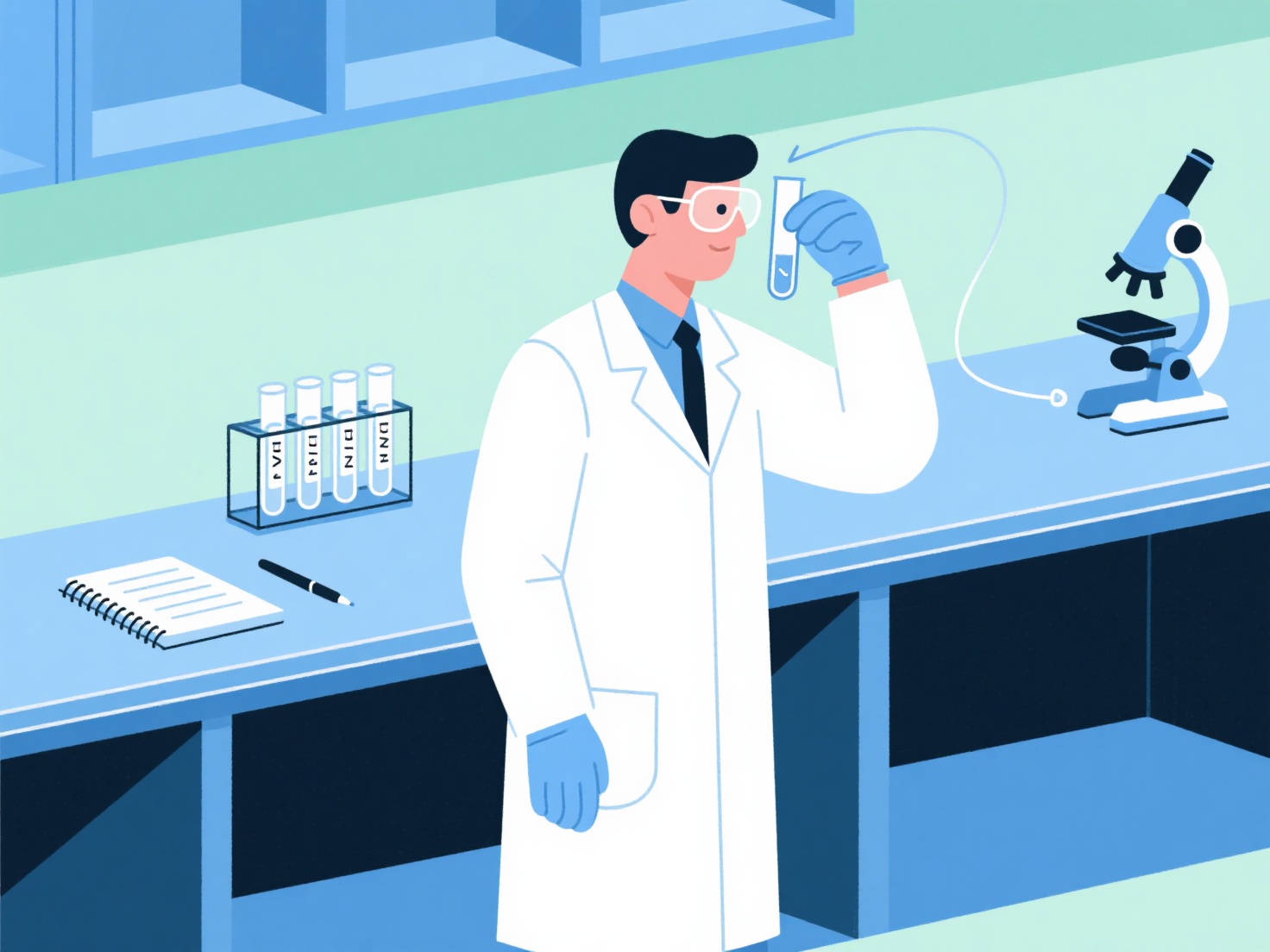
To stay productive and complete lab work efficiently, you must meticulously plan your experiments, organize your physical workspace, stick to a structured daily schedule, and properly document your results as you go.
Balancing experiments, data analysis, and literature reviews can easily overwhelm graduate students and early-career researchers. However, by adopting strategic lab efficiency habits, you can maximize your time at the bench and avoid frustrating setbacks.
1. Plan Your Experiments in Advance
The most critical step in lab productivity happens before you even put on your lab coat. Map out your experimental design the day before so you know exactly what reagents, equipment, and timeframes are required. If you are basing your work on existing literature, understanding the methodology is vital. When trying to replicate results from a complex methodology section, you can use WisPaper's PaperClaw to upload the reference paper's PDF and automatically generate a full experiment reproduction plan, saving you hours of protocol translation.
2. Master Time-Blocking and Task Batching
Treat your lab schedule like a strict calendar. Group similar tasks together—such as preparing all your buffers at once or running multiple assays simultaneously—to minimize context switching. Additionally, learn to capitalize on incubation periods and centrifuge runs. Instead of stepping away during a 30-minute wait, use these built-in breaks to update your lab notebook, analyze previous data, or read up on related research.
3. Maintain a Ready-to-Go Workspace
A cluttered bench leads to costly mistakes and wasted time. Make it a daily habit to clean your workspace and restock consumables at the end of your shift. Ensure all your tubes, flasks, and reagents are clearly labeled with dates and contents. When everything has a designated place, you eliminate the friction of hunting down pipettes or specific chemicals right when you need them.
4. Document Data Immediately
Never rely on your memory for critical experimental details. Write down your observations, exact measurements, and protocol deviations in your lab notebook the moment they happen. Whether you use a traditional physical notebook or an electronic lab notebook (ELN), consistent documentation prevents the need to repeat experiments due to lost or forgotten data.
5. Anticipate Bottlenecks
Shared lab equipment is a common productivity killer. Book shared microscopes, flow cytometers, or PCR machines well in advance. Having a backup task—like catching up on literature or drafting a manuscript—ensures you remain productive even if a machine breaks down or a colleague runs late with their own experiment.