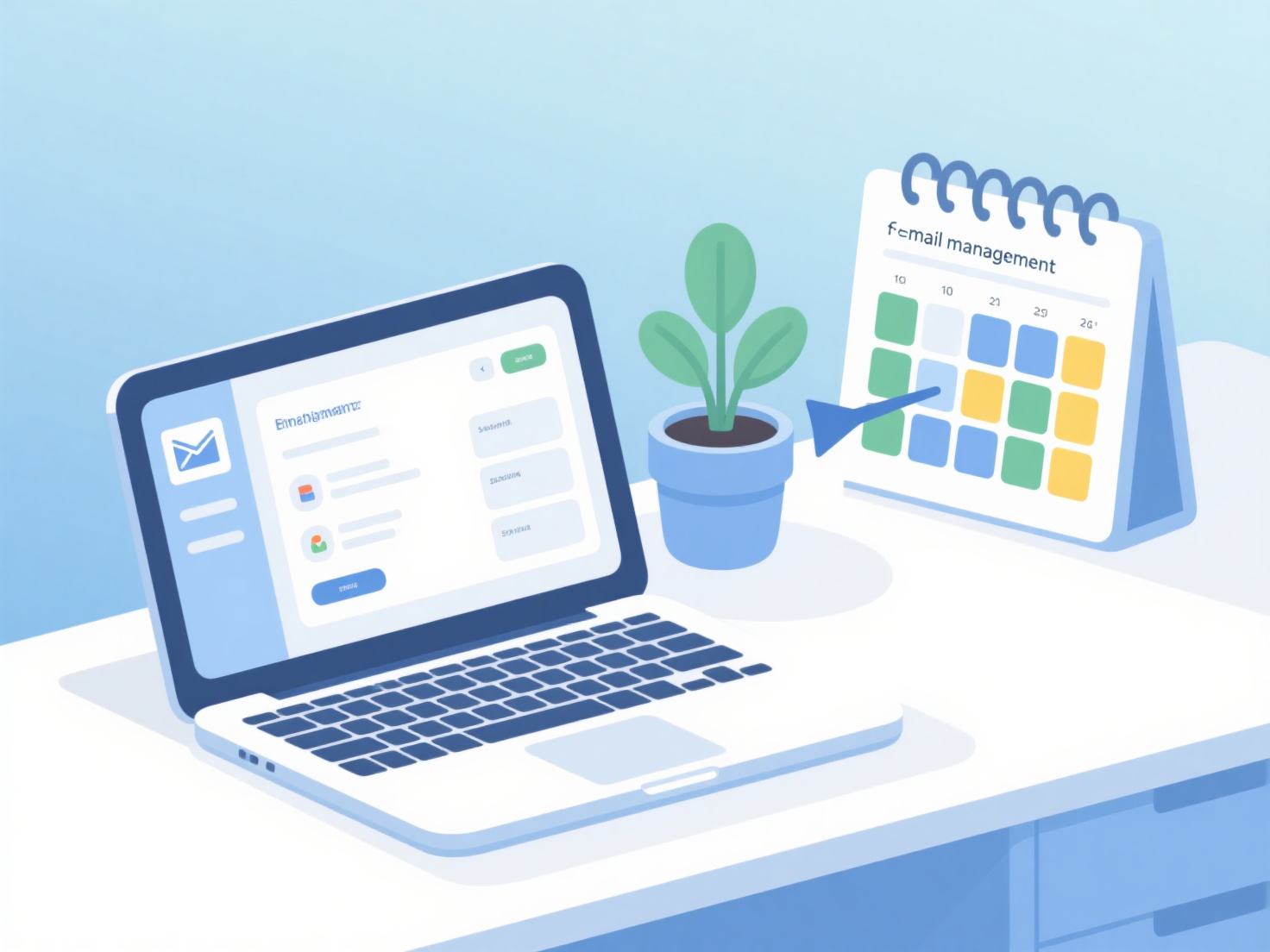
To coordinate email management and avoid burnout, you should establish strict time-blocking routines, use automated filters to organize incoming messages, and limit how often you check your inbox.
For graduate students and early-career researchers, a constantly pinging inbox can disrupt deep work and lead to severe academic fatigue. Taking control of your digital communication is essential for protecting your research time and mental health. Here is a practical approach to streamlining your inbox.
Schedule Specific Email Windows
Instead of leaving your email tab open all day, practice time blocking. Dedicate two or three specific 30-minute windows daily—such as once in the morning, once after lunch, and once before logging off—strictly for processing emails. Turn off desktop and mobile notifications outside of these blocks so you can maintain your focus on writing papers or running experiments without constant interruptions.
Implement the "Touch It Once" Rule
When you do open your inbox, aim for an "Inbox Zero" mindset by making an immediate decision about every message. If an email takes less than two minutes to answer, reply immediately. If it requires a longer response or complex action, add the task to your project manager and archive the email. If it is purely informational, file or delete it immediately.
Automate and Filter Your Inbox
Use your email provider’s built-in rules to automatically sort incoming messages. Set up dedicated folders for priority contacts (like your principal investigator or department head), teaching assistant duties, and general administrative updates. By forcing lower-priority emails to bypass your main inbox automatically, you reduce visual clutter and the daily anxiety of seeing a massive unread count.
Move Research Updates Out of Your Email
A major source of inbox bloat for researchers is the endless stream of journal table-of-contents alerts and keyword notifications. Instead of letting these clog your daily communication channels, you can consolidate this information overload by using WisPaper's AI Feeds, which gives you a daily push of new papers matching your exact research interests across 32 fields without adding a single message to your email inbox.
Set Clear Boundaries
Finally, manage communication expectations. You do not need to reply to late-night emails from students or colleagues immediately. Consider adding a short note to your email signature stating your typical response hours or noting that you only check email twice a day. Establishing these boundaries prevents the feeling that you are always on the clock, helping you sustain long-term academic productivity without burning out.