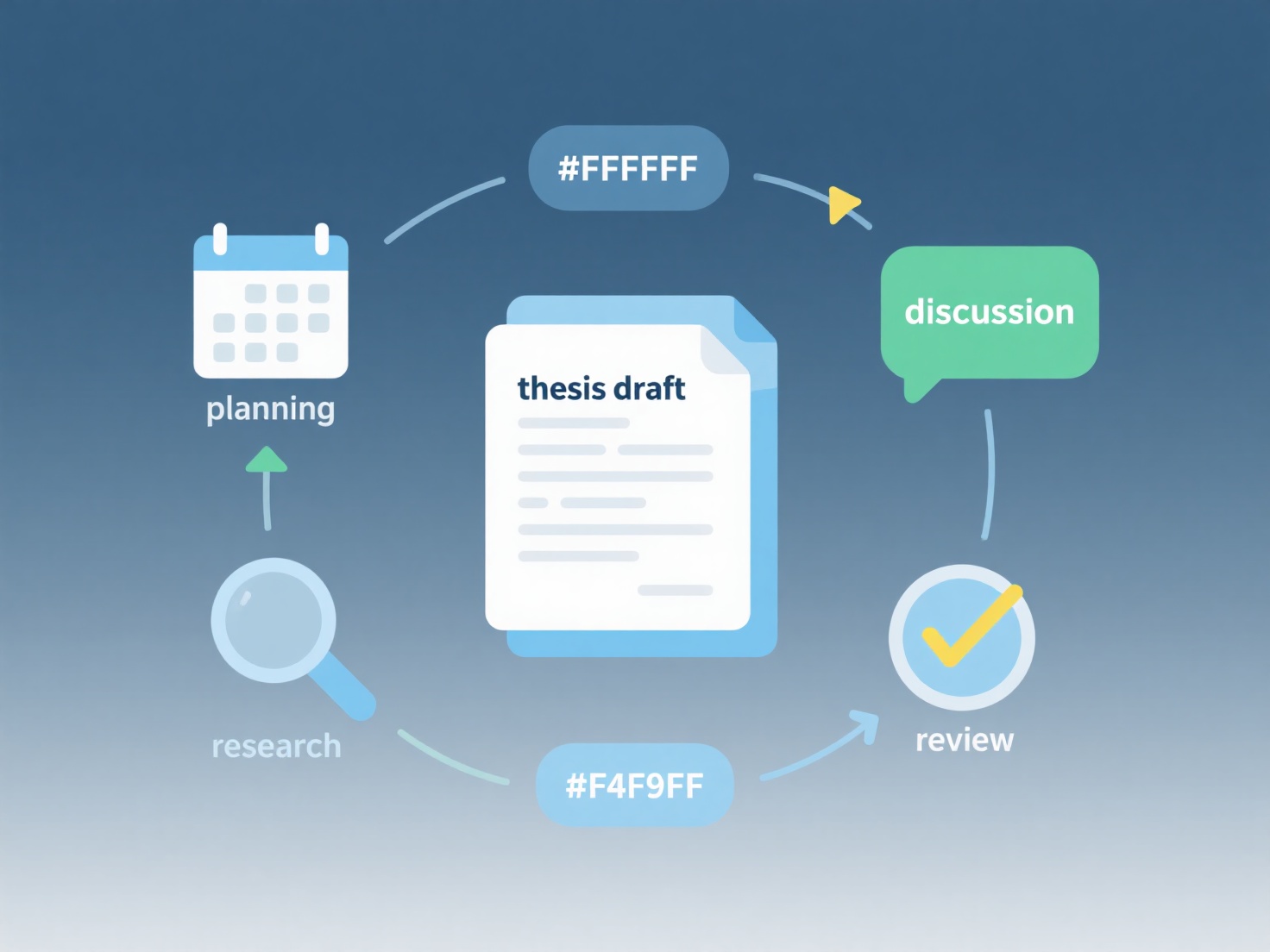
To coordinate thesis writing effectively, you need to break the massive project into manageable phases, establish a strict timeline, and maintain a centralized system for your research materials and drafts.
Writing a thesis or dissertation is essentially a large-scale project management task. Instead of viewing it as a single mountain to climb, graduate students and early-career researchers should approach it as a series of coordinated, smaller tasks. Here is a practical guide to keeping your thesis writing organized and on track.
1. Reverse-Engineer Your Timeline
Start with your final submission deadline and work backward. Break the thesis down into core milestones: literature review, methodology, data collection, drafting chapters, and final revisions. Assign hard deadlines to each phase, and build in a buffer of at least a few weeks for unexpected delays or extensive advisor feedback.
2. Centralize Your Research and Literature
A major bottleneck in thesis writing is losing track of sources, notes, and citations. Before you start drafting, establish a robust reference management system. Rather than scattering PDFs across random desktop folders, you can use WisPaper's My Library to organize all your papers in one place and use AI to chat directly with your uploaded documents, making it easy to instantly retrieve specific notes or arguments while you write. Keeping your literature centralized prevents you from breaking your writing flow to hunt down a missing source.
3. Establish a Drafting Routine
Waiting for inspiration to strike is a trap. Coordinate your daily schedule to include dedicated writing blocks. Many successful researchers use time-blocking or the Pomodoro technique to write for just 45 to 90 minutes a day. The key is consistency. Give yourself permission to write a messy first draft; you can always edit a bad page, but you cannot edit a blank one. Separate your writing process from your editing process to maintain momentum.
4. Coordinate with Your Advisor
Your advisor or committee members are crucial to your coordination strategy. Set up a regular meeting schedule early in the process. Agree on how you will submit your work—whether they prefer to review chapter-by-chapter or in larger sections. Clear communication ensures you receive timely feedback and prevents you from going too far down the wrong path.
5. Implement Strict Version Control
As you draft and revise, you will generate dozens of document files. Coordinate your files using a strict naming convention (for example, Chapter2_LitReview_v3_Date). Always back up your thesis drafts to a cloud service like Google Drive, Dropbox, or OneDrive. Never rely solely on your local hard drive, as losing your progress can derail your entire timeline.
By treating your thesis as a structured project with clear timelines, organized literature, and consistent communication, you can eliminate the overwhelm and steadily coordinate your way to a finished manuscript.