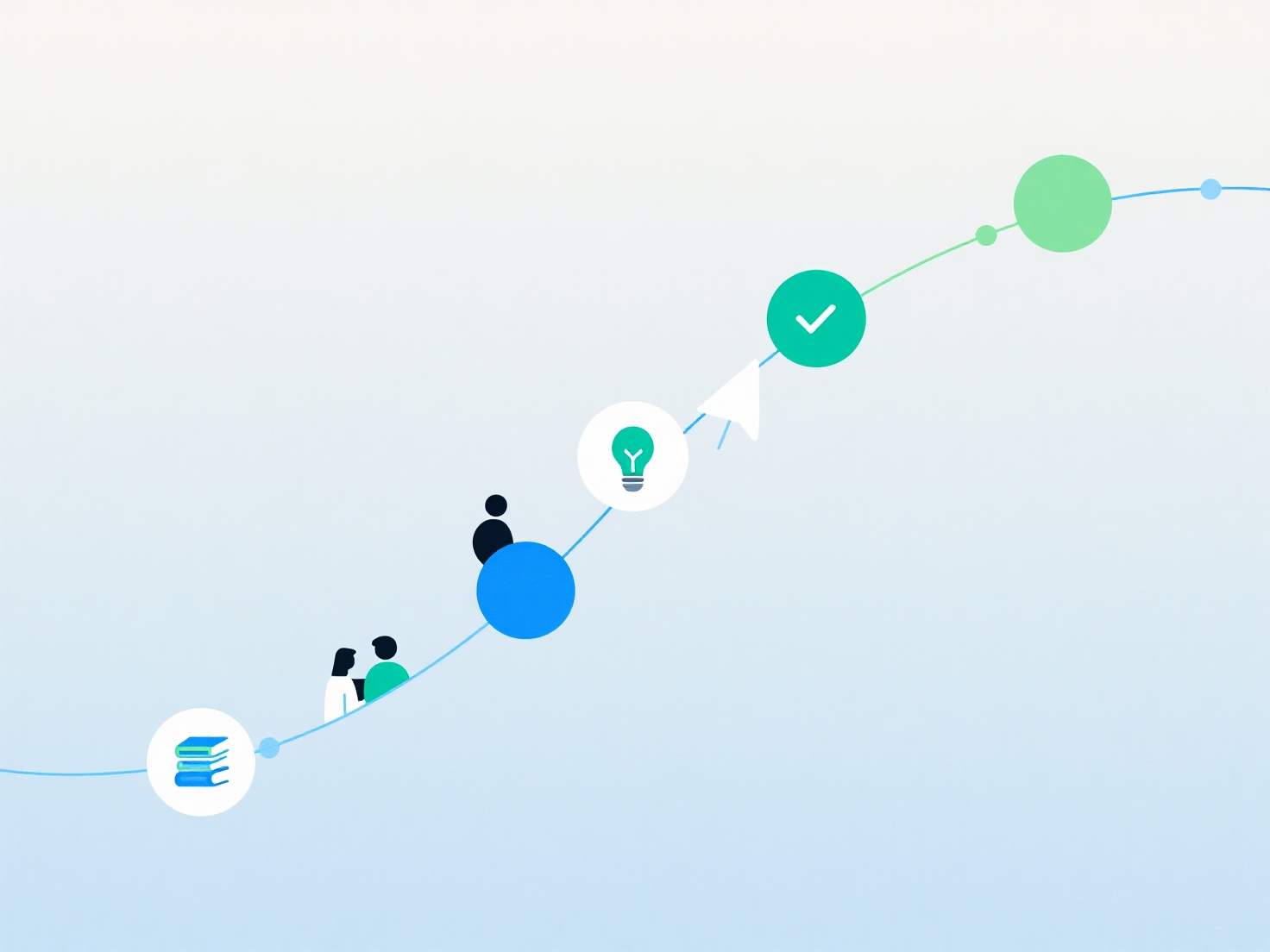
To finish long-term research projects effectively, you must break the overarching goal into smaller, manageable milestones, establish a consistent daily workflow, and maintain a rigid system for organizing your literature and data.
Tackling a multi-year study, dissertation, or extensive thesis can feel overwhelming. Without a clear strategy, it is easy to fall victim to burnout, procrastination, or scope creep. By adopting basic project management techniques, you can maintain momentum and cross the finish line with your sanity intact.
Break the Project into Micro-Goals
A timeline that only includes "data collection" and "writing" is too broad. Divide your research timeline into specific, actionable micro-goals. Instead of adding "write literature review" to your to-do list, break it down into tasks like "search for 10 recent papers on cell division" or "draft 500 words on previous methodologies." Setting weekly deadlines for these smaller tasks creates a constant sense of accomplishment that fuels your motivation.
Tame Information Overload
Over the course of a long-term research project, you will accumulate hundreds of PDFs, notes, and citations. If you do not organize these early on, writing your final manuscript will become a nightmare of lost sources. As your reference list expands, using a tool like WisPaper's My Library provides a smart Zotero-style manager where you can organize your papers and even chat with your uploaded documents via AI to instantly recall specific findings months after you first read them.
Implement Time Blocking
Consistency is far more productive than intensity. Relying on frantic, 12-hour weekend binges usually leads to exhaustion and poor writing quality. Instead, use time blocking to dedicate specific hours of your week solely to your research project. Even dedicating just 60 to 90 uninterrupted minutes a day to deep work can yield massive progress over a semester.
Guard Against Scope Creep
As you dive deeper into your academic field, you will inevitably discover fascinating new research gaps and tangential questions. While exciting, chasing these "rabbit holes" can indefinitely delay your project. Keep your primary research questions posted near your workspace. If a new idea doesn't directly answer those core questions, save it in a separate document for future post-doc work or subsequent publications.
Build Accountability
Isolation is the enemy of long-term academic writing. Schedule regular check-ins with your principal investigator (PI), thesis advisor, or a peer writing group. Knowing you have to present a progress report or share a draft chapter at the end of the month provides the external pressure needed to push through periods of low motivation.