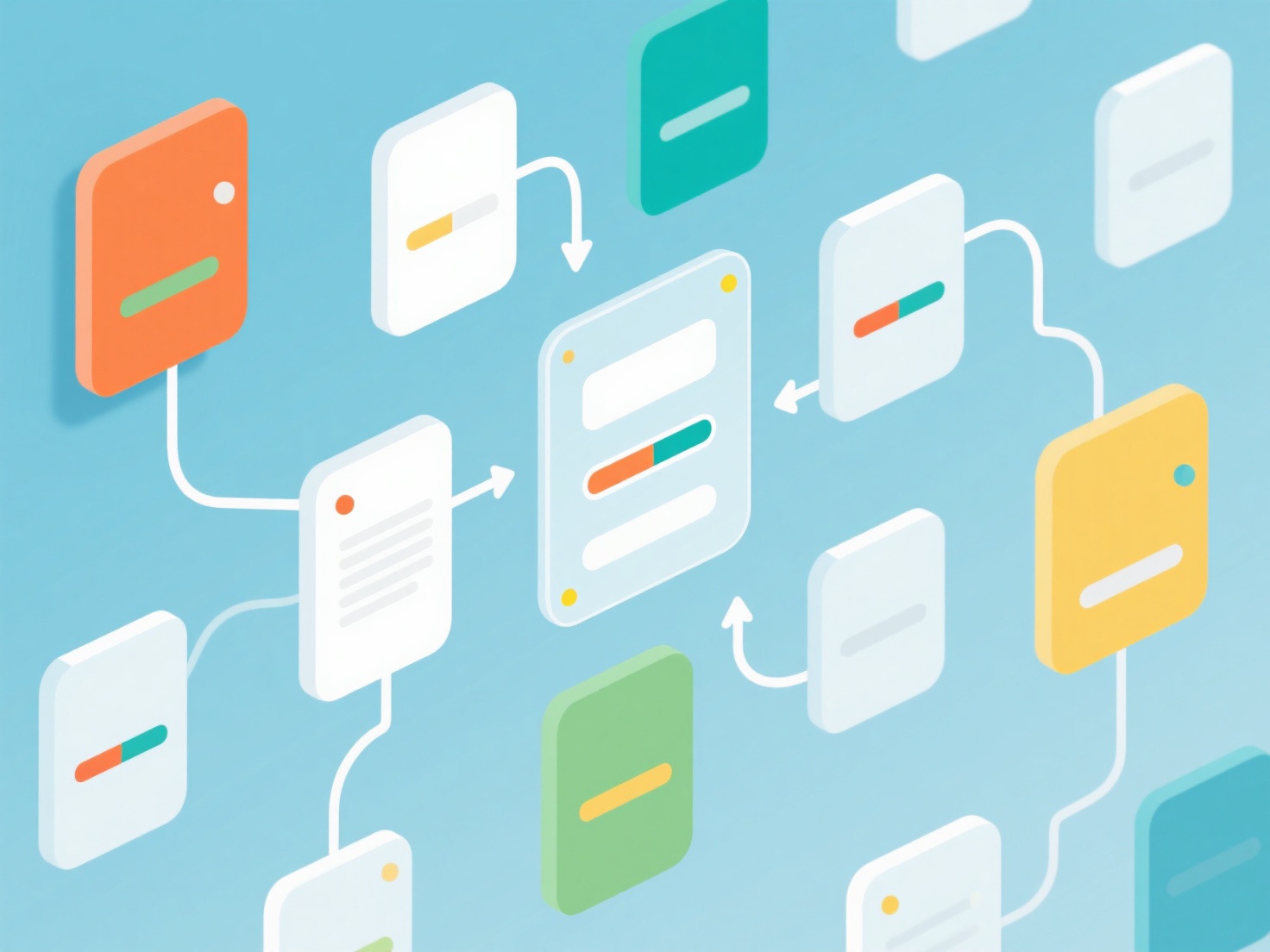
To successfully finish multiple research projects and keep track of your progress, you need to break each project into actionable milestones, use a centralized tracking system, and dedicate specific time blocks to individual tasks. Managing an academic workflow with overlapping deadlines can quickly become overwhelming, but a structured approach ensures nothing falls through the cracks.
Here are the most effective strategies for managing multiple research papers and experiments simultaneously:
1. Build a Centralized Dashboard
Start by creating a master tracker for all your active research. Whether you prefer digital tools like Notion, Trello, and Asana, or a simple Excel spreadsheet, you need a single place to view your entire workload. Use a Kanban board setup (To Do, In Progress, Under Review, Done) to visualize the exact status of every manuscript, grant application, or data collection phase.
2. Break Projects into Micro-Tasks
A common mistake in research project management is setting goals that are too broad. "Write literature review" is an intimidating task that is difficult to track. Instead, break your work down into micro-tasks like "search for 10 papers on X," "extract methodology from 5 papers," or "draft the introduction." Checking off these smaller tasks provides a clear, measurable sense of forward momentum.
3. Compartmentalize Your Literature
When you are jumping between different topics, it is easy to lose track of which sources belong to which paper. Keep your references strictly separated by project. Instead of scattering PDFs across your desktop folders, you can organize your sources using WisPaper's My Library, which functions as a centralized reference manager and allows you to chat with your uploaded papers via AI to instantly recall specific notes and claims for each project.
4. Use Thematic Time Blocking
Multitasking often stalls research progress. Instead of trying to work on three projects in a single day, assign specific days or half-days to a single project. For example, dedicate Mondays and Tuesdays to data analysis for Project A, and use Wednesdays exclusively for writing Project B. This minimizes the cognitive load of context switching and allows you to achieve the deep focus required for academic writing.
5. Schedule a Weekly Review
Set aside 30 minutes every Friday afternoon to review your progress across all projects. Update your master dashboard, evaluate which tasks took longer than expected, and block out your calendar for the upcoming week. This routine ensures your tracking system stays accurate and helps you realistically manage your upcoming deadlines before they become urgent.