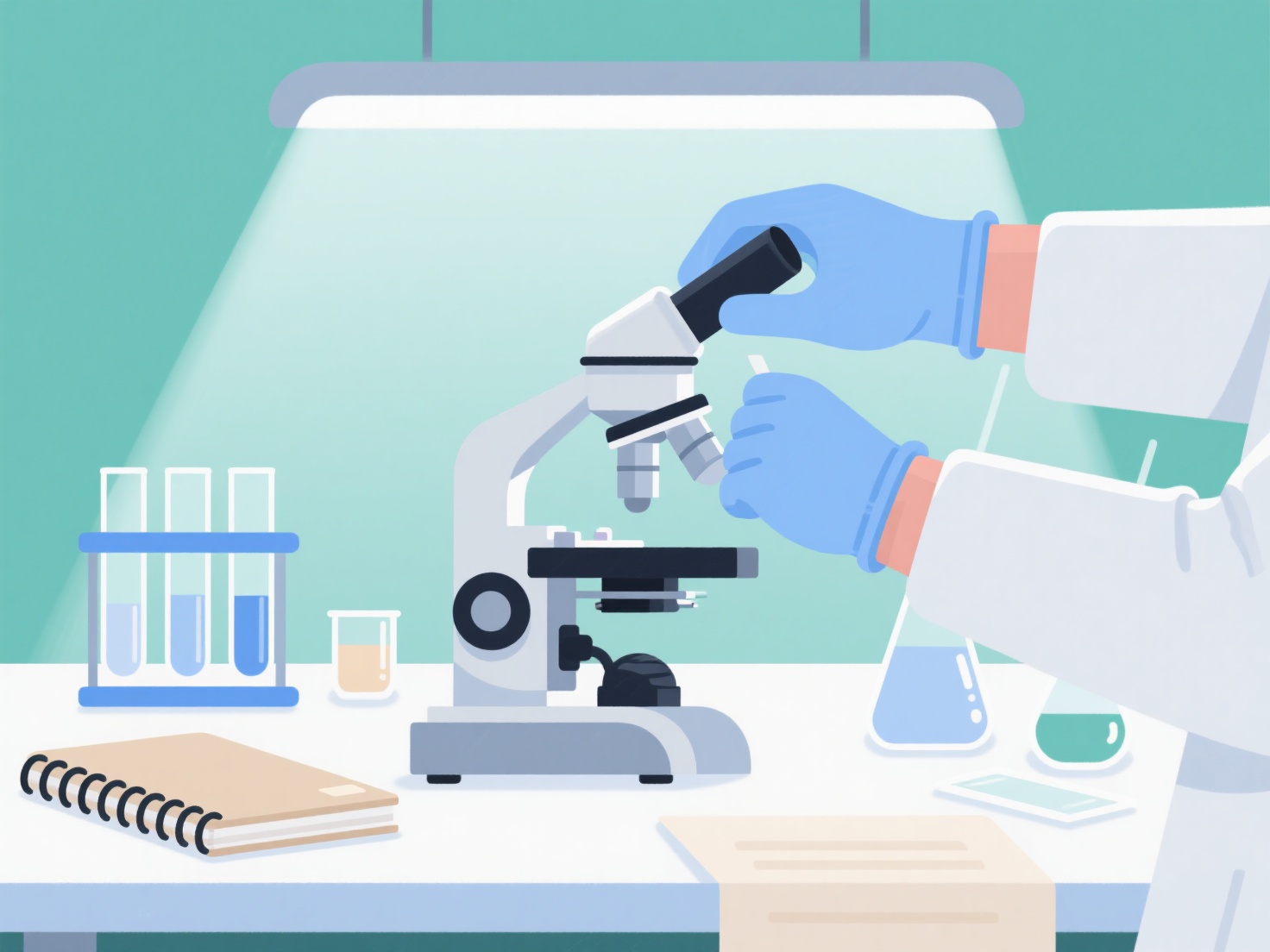
To focus on lab work for a research paper, you need to establish a strict schedule that separates bench time from desk work, minimize external distractions, and thoroughly plan your experiments before entering the laboratory. Balancing the demands of reading, writing, and conducting experiments is one of the biggest challenges for graduate students and early-career researchers. By optimizing your time management and experimental design, you can maximize your productivity at the bench.
Separate Desk Work from Bench Work
Multitasking between reading literature and running assays rarely works. Instead, use time blocking to dedicate specific days or half-days entirely to bench work. Treat this time as sacred. Leave your desk, close your email, and physically relocate to the laboratory. Batching your desk work—like data analysis, literature search, and manuscript writing—into separate time slots prevents constant context switching and keeps your mind focused on the physical tasks at hand.
Plan Your Experiments in Advance
Never walk into the lab without a clear plan. Before your bench session begins, write out your protocols, calculate your reagents, and ensure all necessary materials are available. If you are basing your methodology on previous studies, WisPaper's PaperClaw can automatically generate a full experiment reproduction plan from an uploaded PDF, helping you quickly translate dense methods sections into actionable lab steps. Having a step-by-step checklist ready reduces downtime and prevents costly mistakes mid-experiment.
Minimize In-Lab Distractions
The laboratory environment can be surprisingly distracting. To maintain deep focus, leave your smartphone in your bag or put it on airplane mode. If you need to use a device for timers or referencing protocols, disable notifications for social media and messaging apps. Additionally, while lab culture often involves socializing with lab mates, politely communicate your need for uninterrupted time during critical, time-sensitive procedures.
Maintain a Real-Time Lab Notebook
A major part of focusing on your lab work is ensuring that your efforts are properly documented for your eventual research paper. Write down your observations, deviations from the protocol, and raw data immediately as they happen. Relying on your memory until the end of the day often leads to lost details. A meticulously kept lab notebook bridges the gap between your bench work and the writing phase, making it much easier to draft your methodology and results sections later.