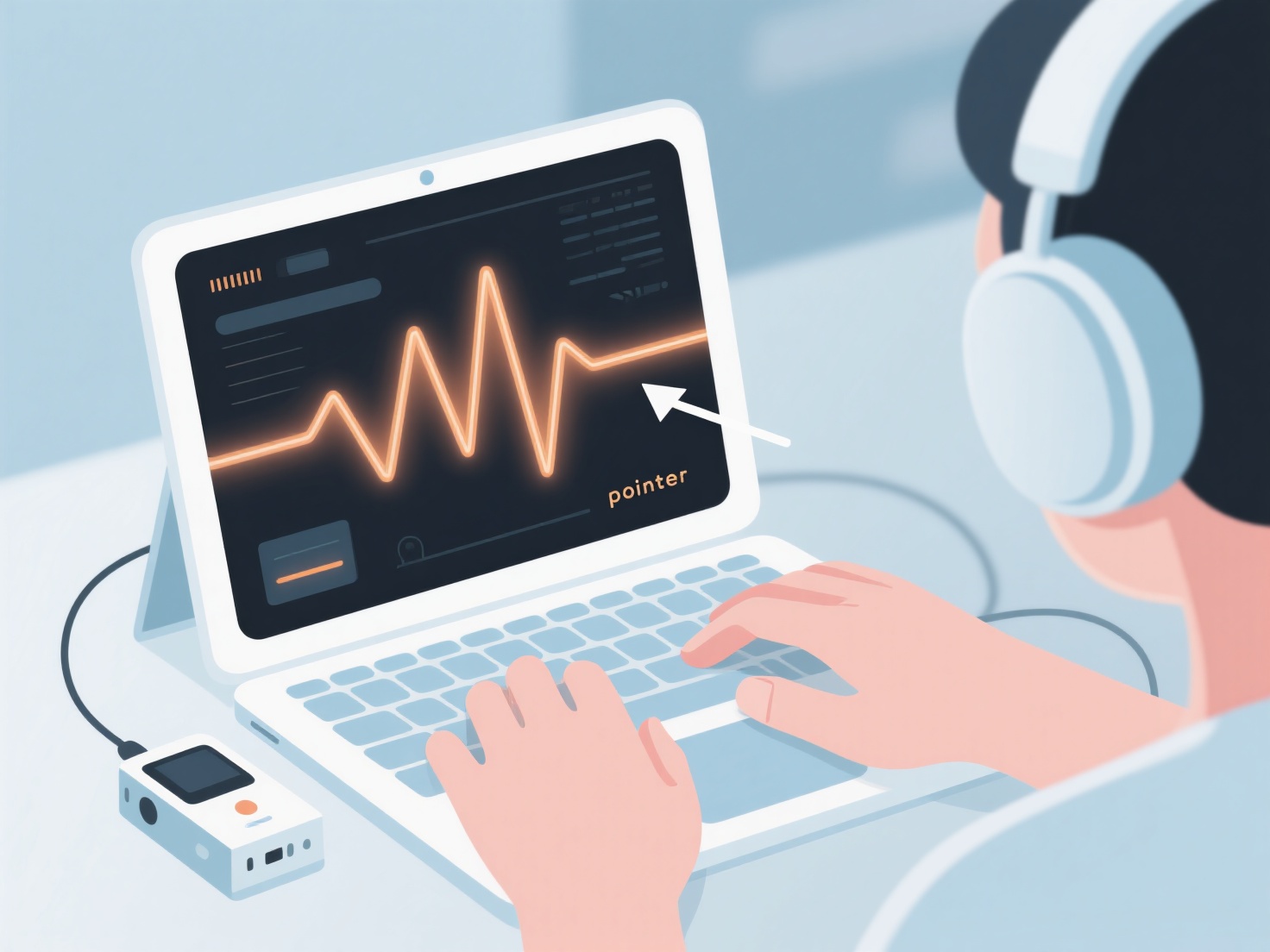
To focus on transcription, you need to eliminate external distractions, use specialized playback tools with hotkeys, and break the audio into manageable chunks to prevent mental fatigue.
Transcription is often considered one of the most tedious stages of qualitative research. Because it typically takes four to five hours to transcribe just one hour of interview audio, maintaining your concentration is critical for accuracy and productivity. Here are the most effective strategies to stay focused while transcribing your research data.
1. Optimize Your Workspace and Gear
Your physical setup plays a huge role in your ability to concentrate. Find a quiet environment and use high-quality, noise-canceling headphones to isolate the audio and block out background room noise. If you do a lot of qualitative transcription, investing in a USB foot pedal can be a game-changer. It allows you to play, pause, and rewind the audio with your foot, keeping your hands entirely focused on typing.
2. Use Dedicated Transcription Software
Never try to transcribe by toggling back and forth between a standard media player and a word processor. Use dedicated tools like oTranscribe or Express Scribe that keep your audio controls and text editor in the exact same window. These tools offer customizable keyboard hotkeys, allowing you to pause or rewind without ever moving your hands from the home row.
3. Adjust the Playback Speed
A common mistake early-career researchers make is trying to type at the normal speaking rate. Constantly pausing and rewinding breaks your flow and quickly drains your focus. Instead, slow the audio playback speed down to 70% or 80%. Matching the audio speed to your natural typing speed allows you to type continuously for longer stretches, helping you enter a state of deep work.
4. Work in Structured Time Blocks
Transcription requires intense cognitive focus, which naturally depletes over time. Use the Pomodoro technique to break the work into manageable intervals. Try transcribing for 25 minutes, followed by a 5-minute break where you step away from the screen, rest your eyes, and stretch your hands. This prevents burnout and keeps your typing speed consistent throughout the day.
5. Streamline the Post-Transcription Process
Knowing that you have a mountain of text to analyze after transcribing can be overwhelming and distracting. You can reduce this cognitive load by organizing your workflow efficiently. Once your text files are complete, WisPaper's My Library lets you upload them alongside your literature, acting as a Zotero-style manager where you can chat with your own documents via AI to quickly pull out key themes and quotes.
By setting up the right tools, pacing your audio, and respecting your mental limits, you can turn a frustrating chore into a focused, highly productive part of your research process.