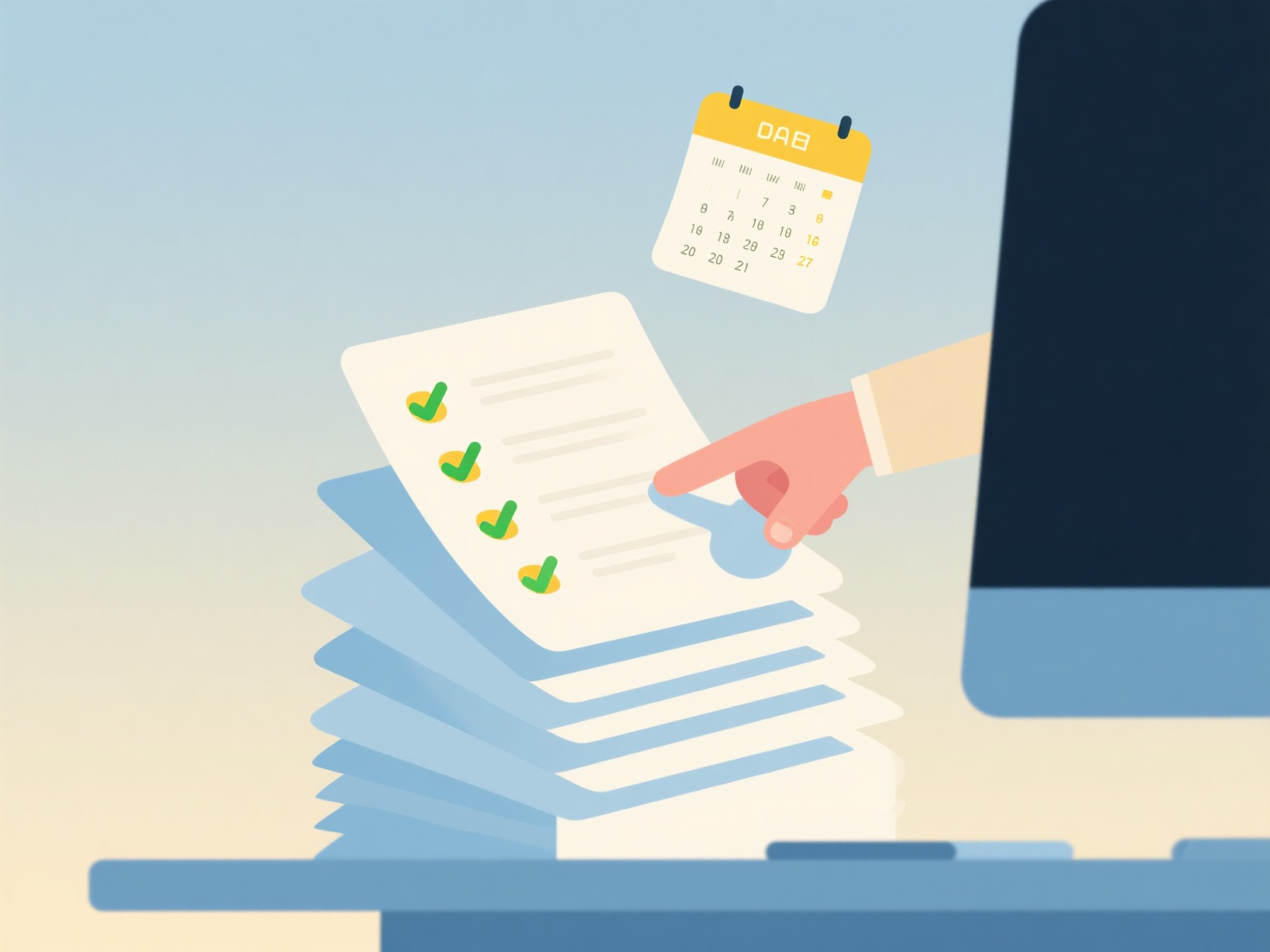
To handle daily research goals effectively, break your larger academic projects into small, actionable tasks that can be completed in a single work session. Graduate students and early-career researchers often struggle with academic productivity because their goals are too vague, but structuring your day with intention can keep your thesis or manuscript moving forward.
Break Down Massive Projects
Writing a dissertation or a journal article is a marathon, not a sprint. Instead of writing "work on literature review" on your daily to-do list, define highly specific micro-tasks. Good examples include "extract methodology from three papers," "draft two paragraphs on theoretical frameworks," or "clean the demographic dataset." Smaller, tangible tasks reduce the urge to procrastinate and give you a clear sense of daily progress.
Use Time-Blocking and Focus Sessions
Allocate specific blocks of time to different types of research tasks based on your energy levels. Dedicate your peak cognitive hours to deep work, such as data analysis, coding, or academic writing. Many researchers find success using the Pomodoro technique—working for 25 to 50 minutes followed by a short break—to maintain focus. Leave low-energy administrative duties, like replying to emails or formatting references, for the late afternoon when your focus naturally dips.
Streamline Your Literature Tracking
Searching for newly published studies can easily consume hours of your day, leading to information overload and derailing your core research goals. Instead of manually hunting through journals for updates, you can use WisPaper's AI Feeds to receive a daily push of new papers matching your specific research interests across 32 fields. Automating your literature discovery frees up your schedule so you can spend your time reading and synthesizing rather than searching.
Set a "Daily Top Two"
Overloading your schedule is a quick recipe for academic burnout. Identify just two critical research tasks that absolutely must be completed by the end of the day. Treat these as non-negotiable. If you finish them early, you can move on to secondary items on your list, but hitting your "Top Two" ensures consistent momentum even on days when unexpected distractions arise.
Track and Reflect
At the end of your workday, spend five minutes reviewing what you accomplished. Note any roadblocks you encountered and immediately write down your goals for the next day. This simple habit prevents you from wasting the first hour of your morning trying to remember where you left off, allowing you to dive straight into productive research.