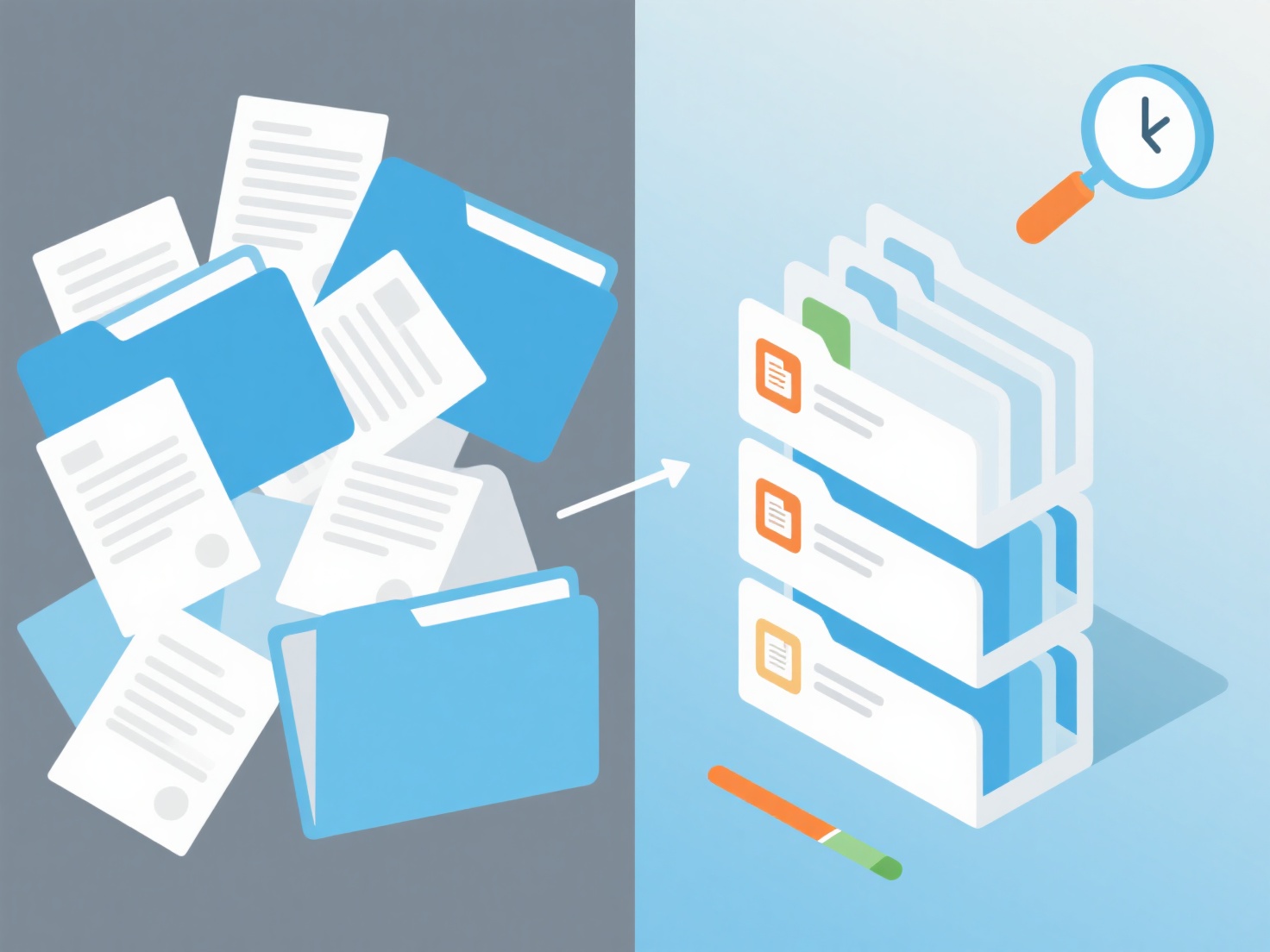
To improve your grant applications while managing a heavy workload, you need to systematize your writing process, leverage smart tools for literature reviews, and break the proposal into manageable, daily tasks. Writing a successful research proposal is a massive undertaking, and doing it while juggling teaching, publishing, and lab work can quickly lead to burnout. By optimizing your workflow, you can submit stronger proposals without sacrificing your existing academic responsibilities.
Start with a One-Page Concept Note
Before diving into a massive document, draft a single page outlining your specific aims, the significance of the problem, and your proposed methodology. Sharing this brief overview with mentors or program officers allows you to validate your core idea early. This prevents you from wasting dozens of hours writing a full grant application that doesn't align with the funding agency's priorities.
Streamline Your Literature Review
A major bottleneck in the grant writing process is gathering and synthesizing background research. When you are strapped for time, you cannot afford to read through dozens of unrelated papers. To speed this up, you can use WisPaper's Scholar Search, which understands your actual research intent rather than just matching keywords, effectively filtering out 90% of the noise so you find the right papers faster. Keeping your references organized from day one will also save you from a last-minute formatting scramble.
Create a Reverse Timeline
Grant deadlines are unforgiving. To handle the heavy workload, work backward from the submission date and create a strict timeline. Assign specific weeks to individual components of the application, such as the budget justification, broader impacts, and preliminary data. Be sure to build in a buffer week for institutional review, as university grants offices often require final documents well before the agency's official deadline.
Build a Reusable "Grant Bank"
Much of a grant application consists of standardized information. Create a centralized folder containing your updated biosketch, institutional boilerplate text, facilities and equipment descriptions, and past data management plans. Having these documents prepped and ready to copy-paste drastically reduces the administrative workload for every future funding request.
Delegate and Collaborate
If you are applying with co-investigators or have graduate students, do not carry the entire burden yourself. Clearly divide the labor based on expertise. Assign the initial literature search to a senior PhD student, or ask a co-PI to draft the methodology section for their specific domain. Use cloud-based collaborative editors to track changes, leave comments, and maintain version control seamlessly across your research team.