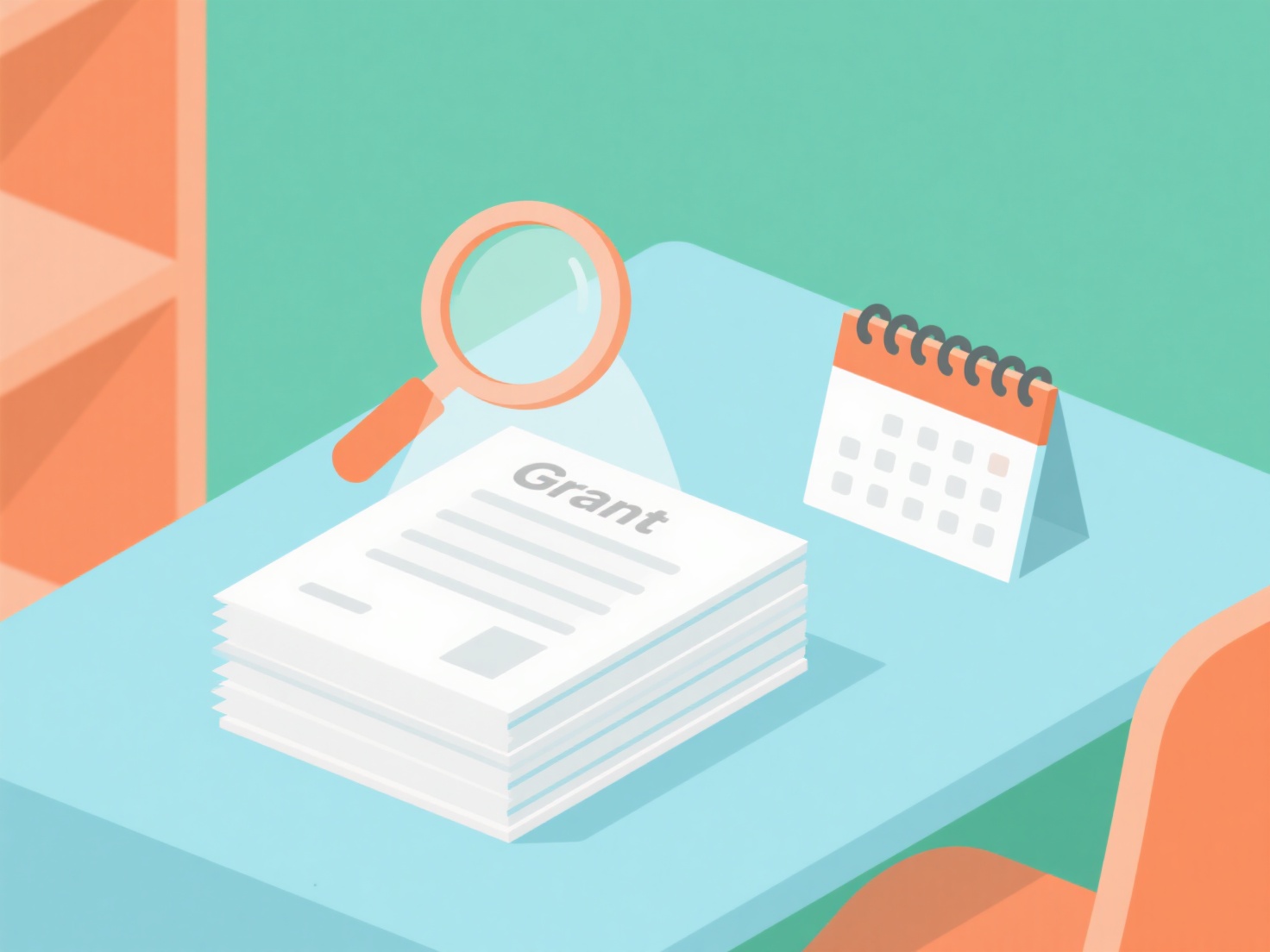
To maintain grant applications and prioritize important tasks, you should break the entire process into distinct phases, build a backwards timeline from the deadline, and tackle high-impact sections like your specific aims before handling administrative details.
Juggling research, teaching, and grant proposal writing can quickly lead to burnout if you don't have a clear system. By strategically organizing your workflow, you can ensure that the most critical parts of your funding applications get the attention they deserve.
1. Tackle the Core Narrative First
The most important part of any research grant is the scientific narrative—specifically your specific aims, significance, and problem statement. Prioritize drafting these sections before anything else, as they form the foundation of your entire project. If you are struggling to define exactly why your work is necessary, using WisPaper's Idea Discovery can speed up this phase by automatically identifying research gaps from your literature, helping you anchor your proposal to a strong, fundable question. Once the core narrative is solid, the rest of the application is much easier to write.
2. Build a Backwards Timeline
Never plan forward from today; always plan backward from the submission deadline. Identify the final due date and subtract time for your university's internal institutional review (which often requires documents 1-2 weeks prior to the actual sponsor deadline). From there, set strict internal milestones for:
- Finalizing the project budget
- Completing the first full draft for peer feedback
- Securing letters of support
- Locking in the specific aims page
3. Separate Science from Administration
Grant applications are notorious for their heavy administrative burden. To stay focused, clearly separate the "science" tasks (writing the background, methodology, and expected outcomes) from the "admin" tasks (formatting biosketches, writing budget justifications, and updating facilities documents). Group the administrative tasks together and tackle them during low-energy periods of your week, saving your peak mental energy for high-level research writing.
4. Secure External Components Early
Tasks that rely on other people should be pushed to the top of your priority list. This includes requesting letters of recommendation, confirming sub-awards with external collaborators, and getting vendor quotes for expensive equipment. Give your colleagues and administrative staff at least a month's notice so their busy schedules don't derail your timeline.
5. Protect Your Writing Time
Treat your grant writing sessions like mandatory laboratory meetings. Block out specific hours in your calendar dedicated solely to the application. By breaking the proposal down into manageable daily goals—such as writing 500 words of the literature review or outlining a single experimental method—you will maintain steady progress and avoid the stress of a last-minute scramble.