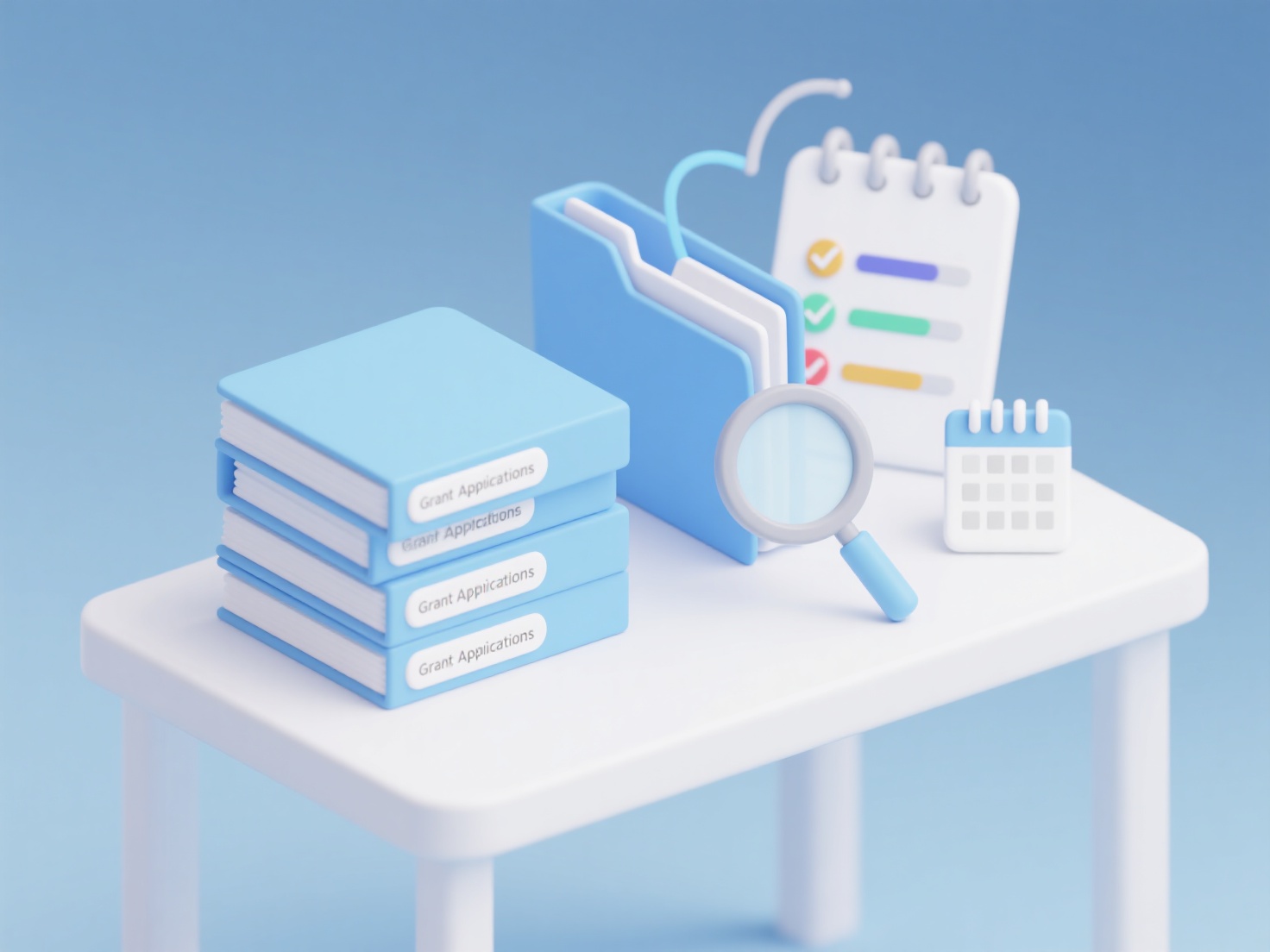
To organize grant applications and track your progress effectively, you should create a centralized tracking system using a spreadsheet or project management tool that logs deadlines, required documents, and submission statuses. Managing multiple funding opportunities simultaneously can easily lead to burnout and missed requirements, but setting up a reliable workflow keeps your research goals on track.
Here is a practical framework to manage your grant writing process from discovery to submission.
Build a Centralized Grant Tracker
The foundation of organizing grant applications is a master dashboard. Whether you prefer a simple Excel spreadsheet, Notion, or a Kanban board like Trello, your tracker should serve as your single source of truth. For every funding opportunity, log the funder's name, the final submission deadline, internal institutional deadlines, application portal links, and the current status (e.g., drafting, awaiting review, submitted).
Break the Proposal into Milestones
A grant proposal is not a single task; it is a complex project. To avoid last-minute panic, break the application guidelines down into actionable milestones. Create separate checklist items for the project narrative, budget justification, biosketches, and letters of support. Assign a specific mini-deadline to each component, ideally aiming to finish the core writing at least two weeks before the official deadline to allow for institutional routing.
Organize Your Supporting Literature
A compelling grant application requires a well-researched background section to justify your proposed work. Keeping track of the relevant studies you plan to cite is a critical part of the process. Instead of leaving scattered PDFs across your desktop, you can use WisPaper's My Library to systematically organize your references and even chat with your uploaded papers via AI to quickly pull out the exact statistics or methodologies you need to strengthen your proposal.
Standardize Your Folder Structure
File management is crucial when dealing with multiple iterations of a proposal. Create a master folder for your grants, and within it, a dedicated folder for each specific application. Subdivide this into folders for Guidelines, Drafts, Budgets, and Administrative Documents. Always use a consistent file naming convention, such as YYYY_Funder_DocumentName_v1, so you never accidentally upload an outdated draft to the funding portal.
Schedule Weekly Progress Reviews
Finally, treat grant management as a recurring appointment. Block out 15 to 30 minutes at the end of each week to update your tracker, follow up on pending letters of recommendation, and adjust your writing schedule. This consistent review process ensures your grant applications keep moving forward without overwhelming your daily research tasks.