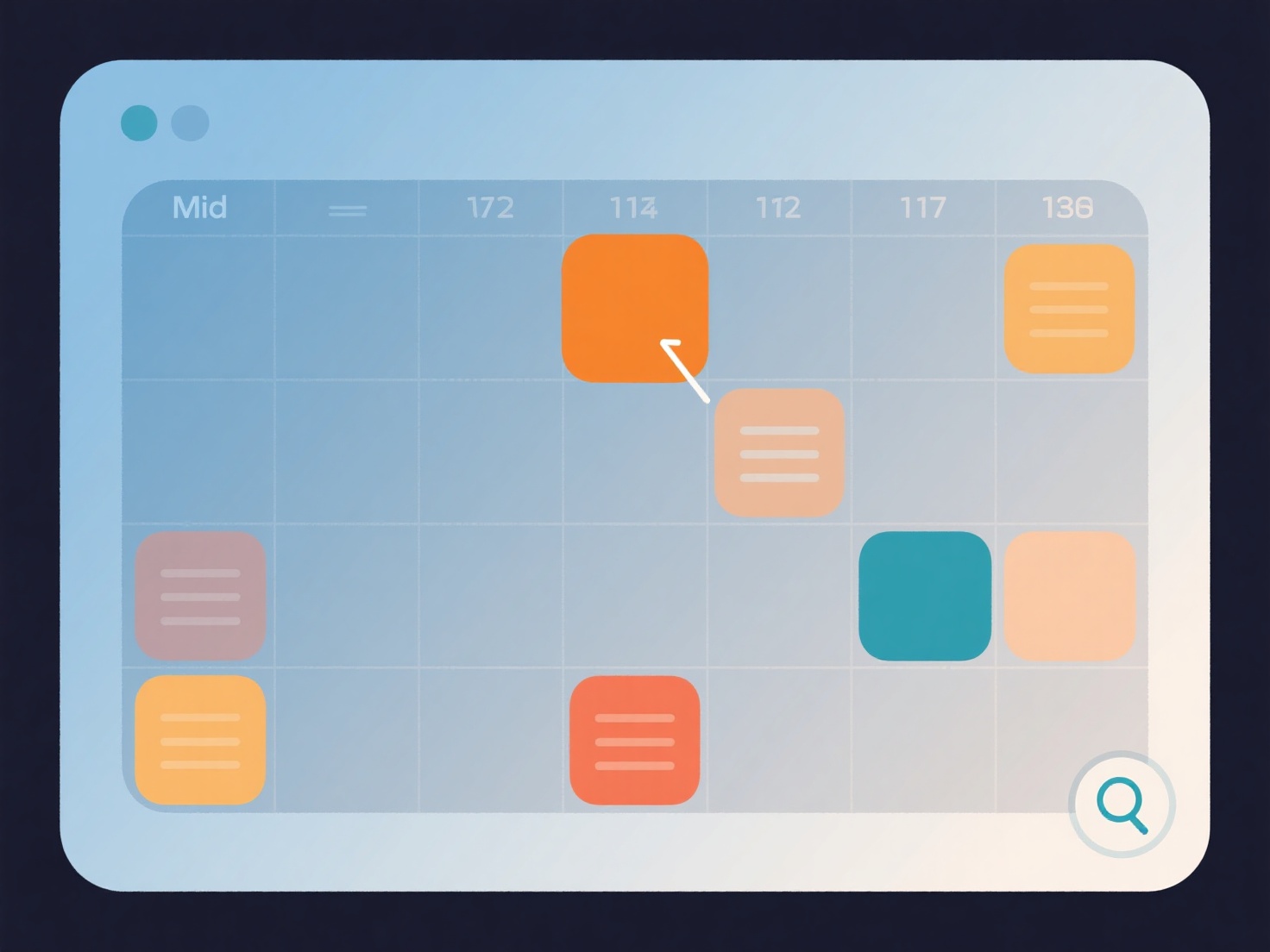
To prioritize your weekly research plan effectively, categorize your tasks by urgency and impact, and schedule your highest-priority deep work into dedicated time blocks before filling in routine administrative duties.
Balancing experiments, writing, literature reviews, and teaching responsibilities can quickly lead to academic burnout if you don't have a clear system. By structuring your week strategically, you can ensure that your most critical research milestones keep moving forward.
1. Do a Weekly Brain Dump
Before your week begins, write down every academic task on your plate. Getting everything out of your head and onto paper reduces overwhelm. Once listed, categorize these items into high-impact research (like drafting a manuscript or running a core experiment) and low-impact maintenance (like replying to emails or formatting references).
2. Identify Your "One Big Thing"
Look at your list and choose one major goal that will significantly advance your research project this week. If you accomplish nothing else, completing this single task will make the week a success. Highlight this priority and build the rest of your schedule around it.
3. Use Time Blocking for Deep Work
Academic productivity requires long stretches of uninterrupted focus. Use your calendar to block out two- to three-hour windows specifically for your "One Big Thing" and other high-priority tasks. Schedule this deep work during your peak energy hours, and save shallow tasks, like lab meetings or grading, for when your focus naturally dips.
4. Automate Routine Information Gathering
A major time-sink for early-career researchers is the constant need to stay updated on new literature to avoid missing critical developments. Instead of spending hours manually running keyword searches across different databases, you can use WisPaper's AI Feeds to receive a daily push of new papers matching your specific research interests, automating your literature tracking so you can redirect that time toward writing or data analysis.
5. Plan for Buffer Time
Experiments fail, meetings run late, and writing often takes longer than expected. Avoid scheduling every minute of your day. Leave at least 20% of your weekly research plan open as buffer time to handle unexpected delays without derailing your entire time management strategy.
6. Conduct a Friday Review
At the end of the week, spend fifteen minutes reviewing your progress. Note which important tasks were completed and which need to be rolled over. This reflection helps you adjust your planning habits and build a more realistic, productive schedule for the following week.